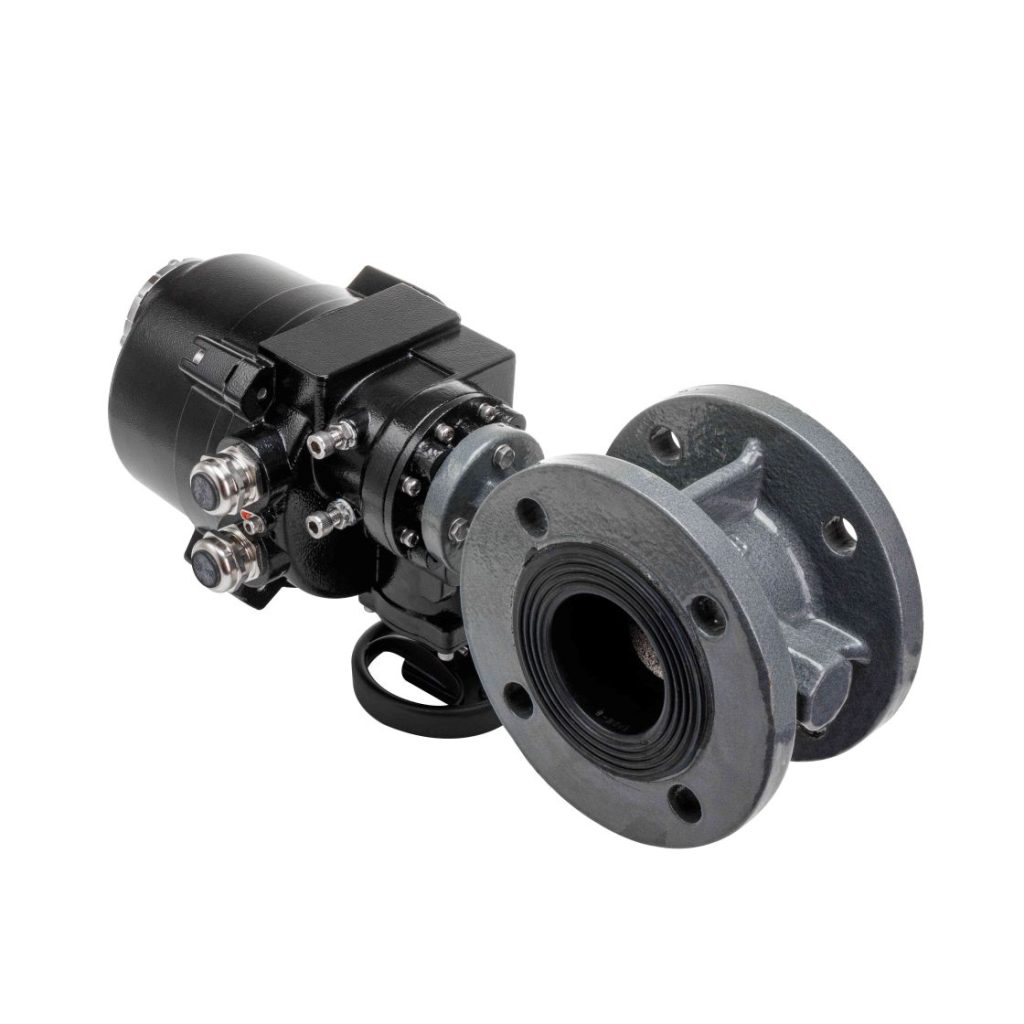
Electric ball valves have become a crucial component in various industries due to their reliability, precision, and ease of operation. These valves, which combine a ball valve mechanism with an electric actuator, offer automated control of fluid flow in pipelines. With the growing demand for automation and efficiency in industrial processes, electric ball valves are increasingly being adopted in sectors such as chemical processing, oil and gas, water treatment, HVAC, and many more. In this article, we will explore the working principle, advantages, applications, and the key factors to consider when selecting an electric ball valve.
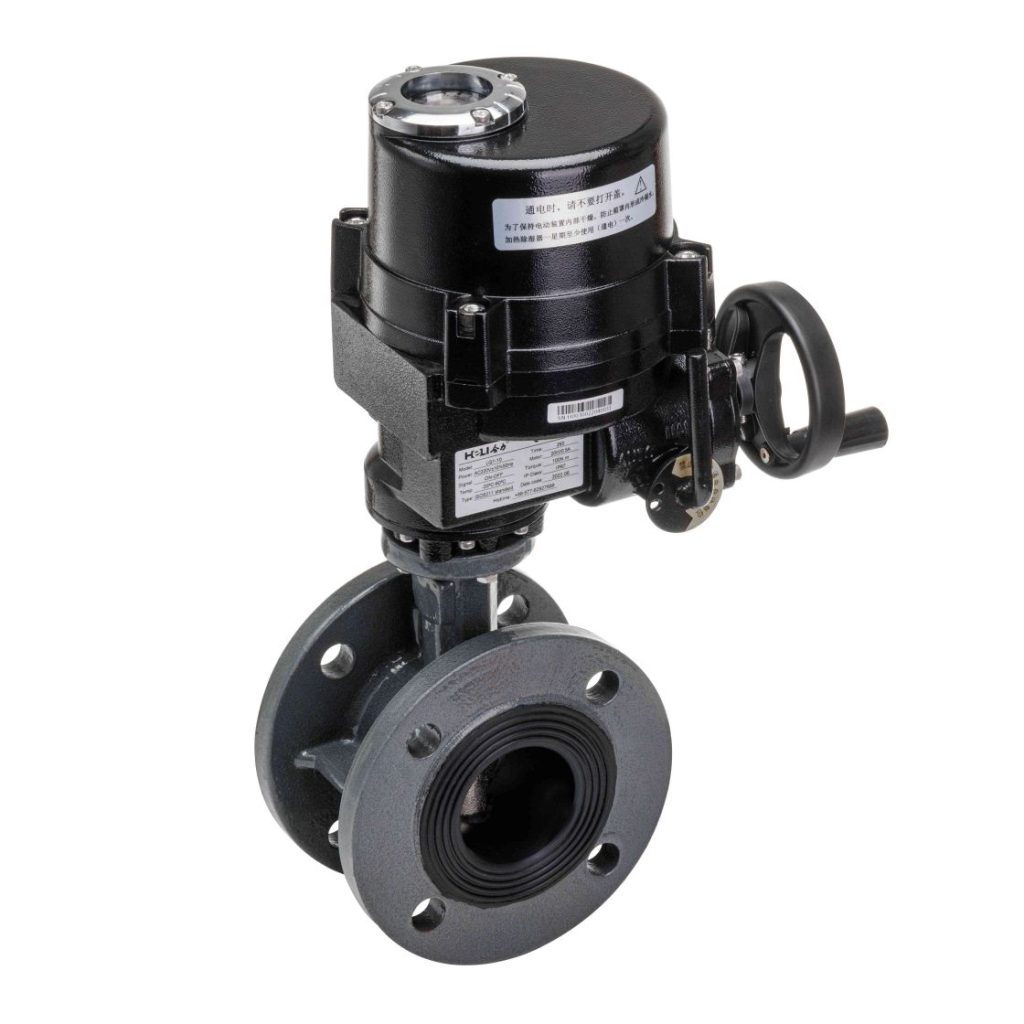
Working Principle of Electric Ball Valves
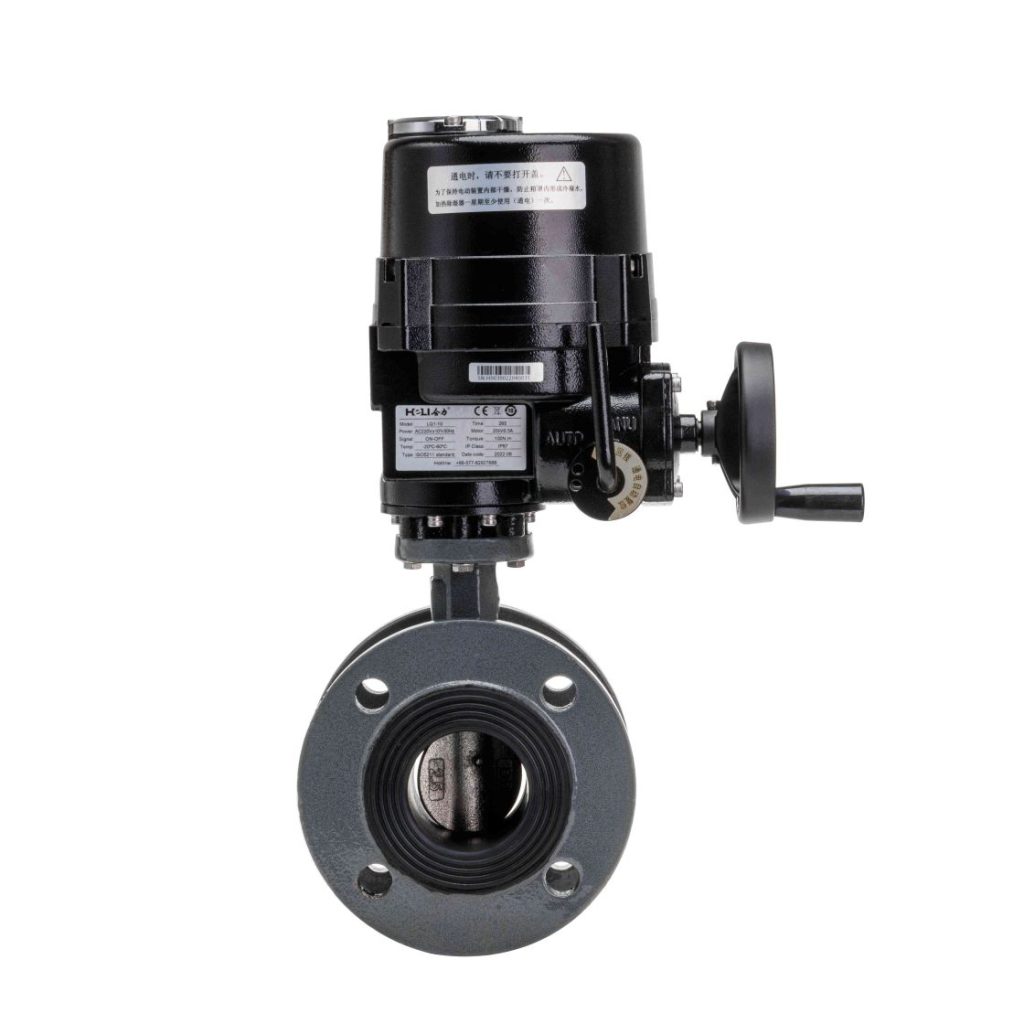
The core of an electric ball valve is the ball, which is equipped with a hole or port in the middle. The ball rotates within the valve body to either allow or block the flow of fluid. When the ball’s port aligns with the pipeline, the valve is open, permitting the flow of fluid. When the ball rotates 90 degrees, the port is no longer aligned with the pipeline, and the valve is closed, stopping the flow. The electric actuator is what differentiates an electric ball valve from a traditional manual ball valve. The actuator, powered by electricity, controls the rotation of the ball. It receives control signals from a control system or human-machine interface (HMI) and automatically adjusts the valve position. This allows for precise control over the fluid flow and offers significant advantages over manual or pneumatic valves, especially in complex and automated systems.