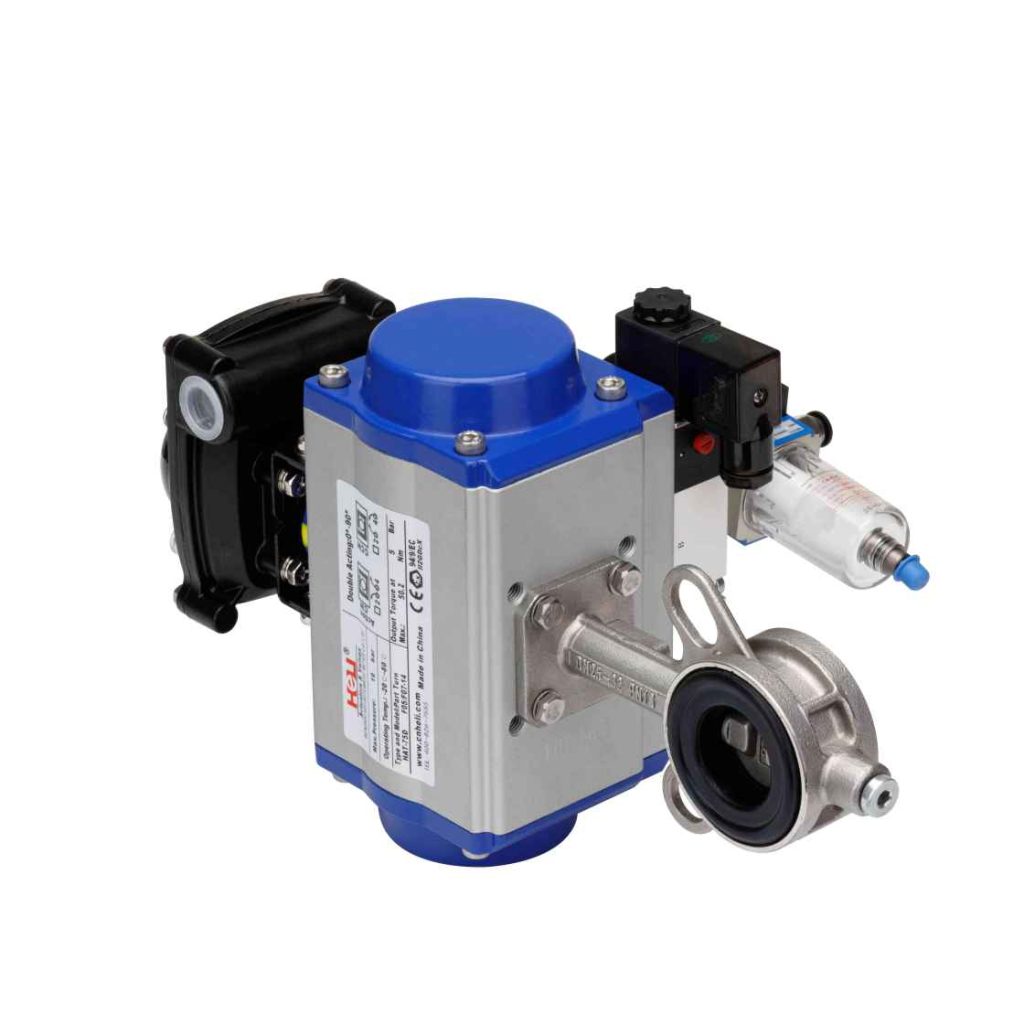
A pneumatic butterfly valve is an essential device in fluid control systems used to regulate the flow of liquids, gases, and powders within pipelines. As a vital part of various industries, these valves are known for their efficiency, simplicity, and versatility. In this article, we will delve into the construction, working principle, advantages, applications, and maintenance of pneumatic butterfly valves, shedding light on why they are preferred in many applications.
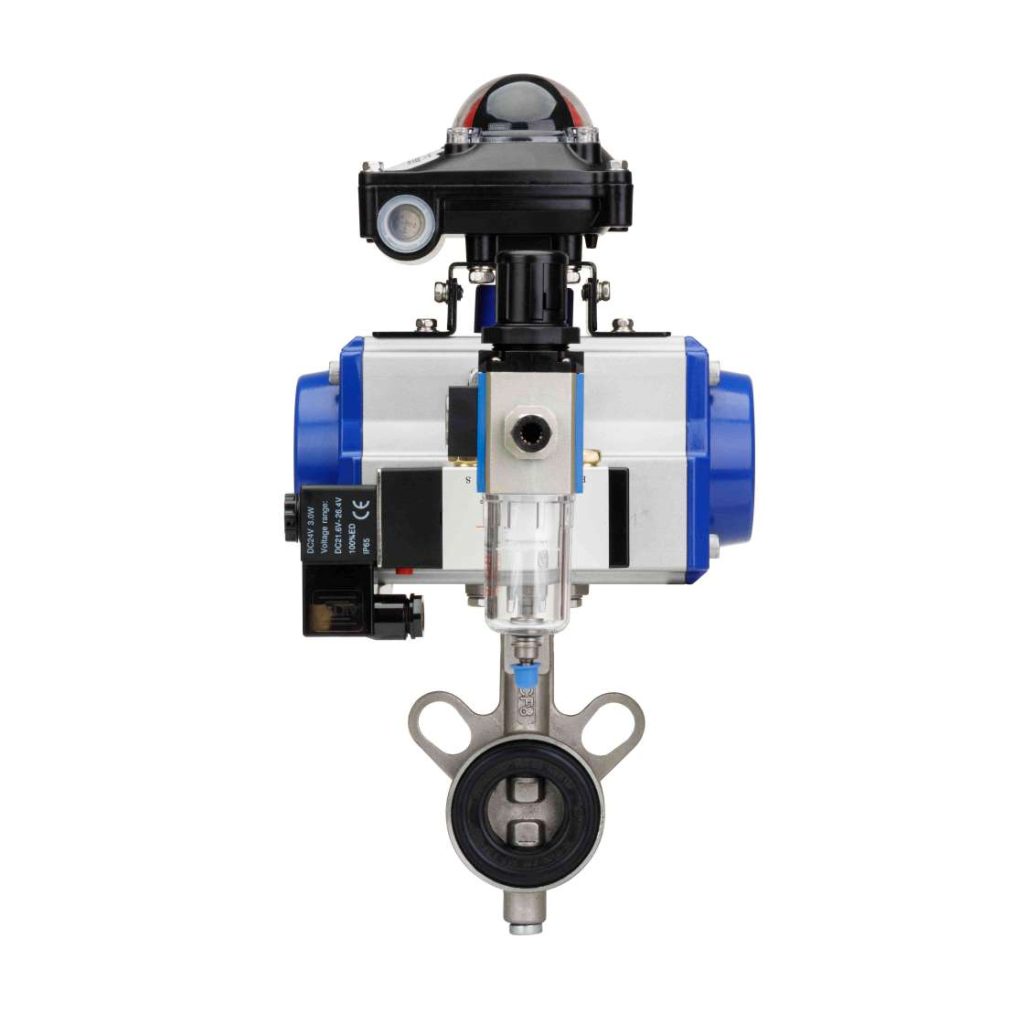
What is a Pneumatic Butterfly Valve?
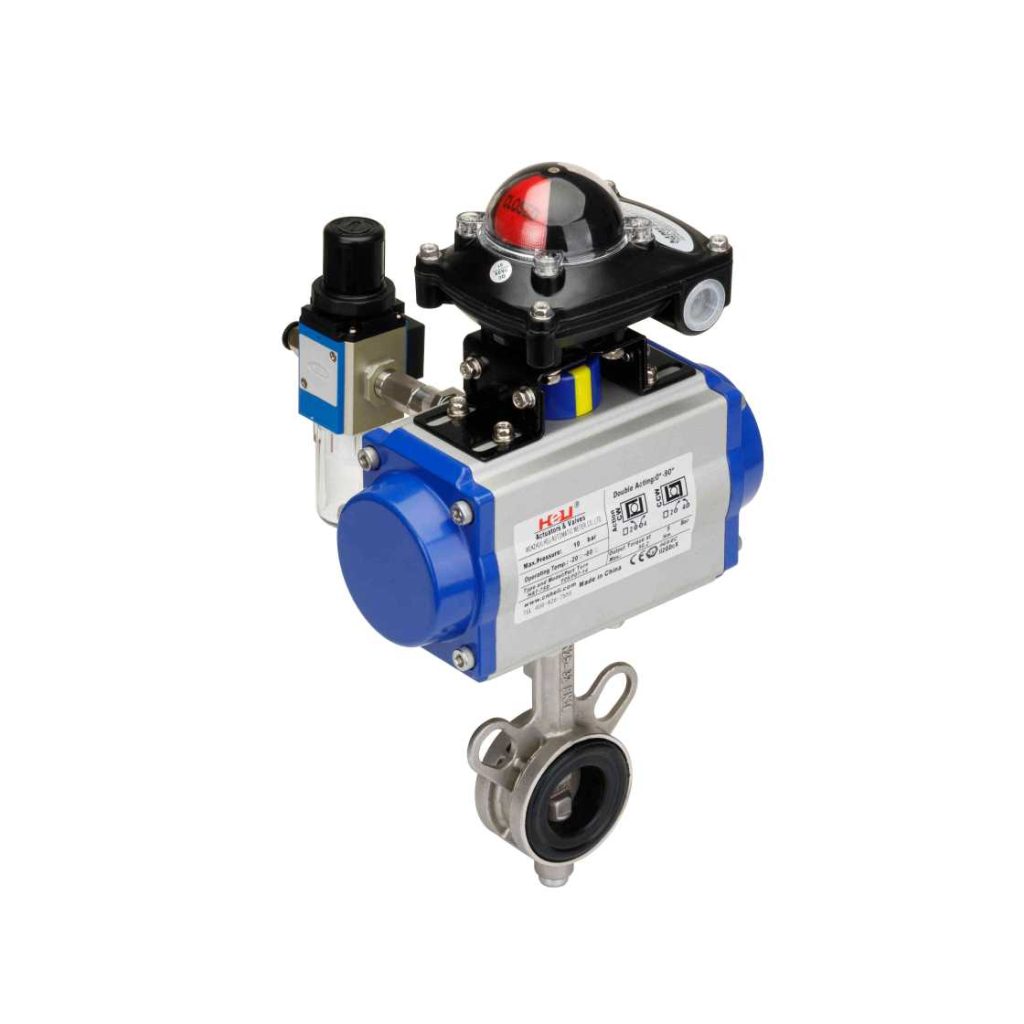
A pneumatic butterfly valve is a type of quarter-turn valve, which means that it only requires a 90-degree rotation of its actuator to open or close fully. This valve consists of a circular disc (the “butterfly”) attached to a shaft. The disc is positioned in the middle of the pipe, and when the valve is operated, the disc rotates to either allow or obstruct the flow. The valve is driven by pneumatic power, which means that compressed air is used to operate the actuator, making the valve open or close depending on the pressure applied. Construction and Working Principle The construction of a pneumatic butterfly valve generally consists of the following components: