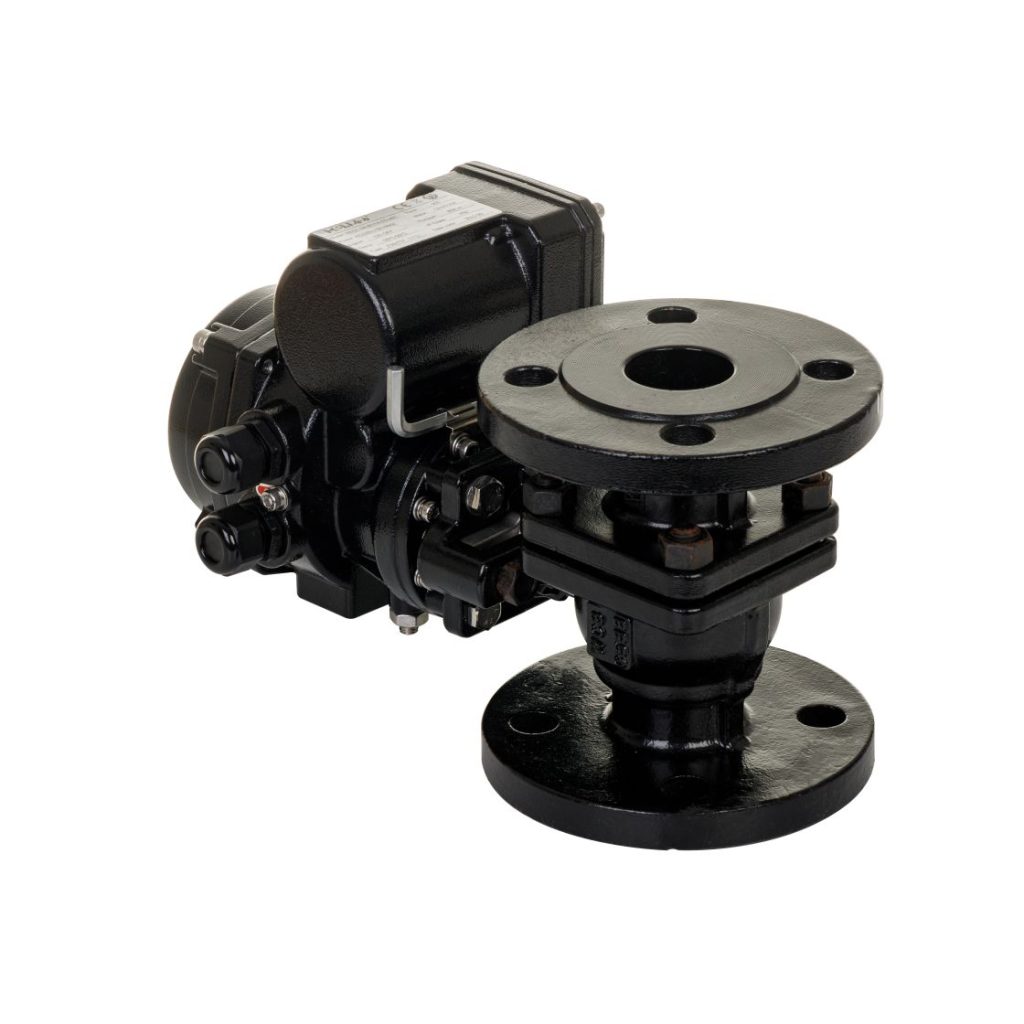
Hydrogen energy has emerged as one of the most promising alternatives in the quest for cleaner, sustainable energy sources. As industries look to transition to greener technologies, the demand for efficient and safe components in hydrogen energy systems has risen dramatically. One of the critical components in these systems is the Hydrogen Energy Electric Flange Ball Valve, which plays a vital role in regulating the flow of hydrogen gas across various applications, from fuel cells to hydrogen storage and transportation. This article explores the key features, applications, and significance of hydrogen energy electric flange ball valves in hydrogen infrastructure.
What is a Hydrogen Energy Electric Flange Ball Valve?
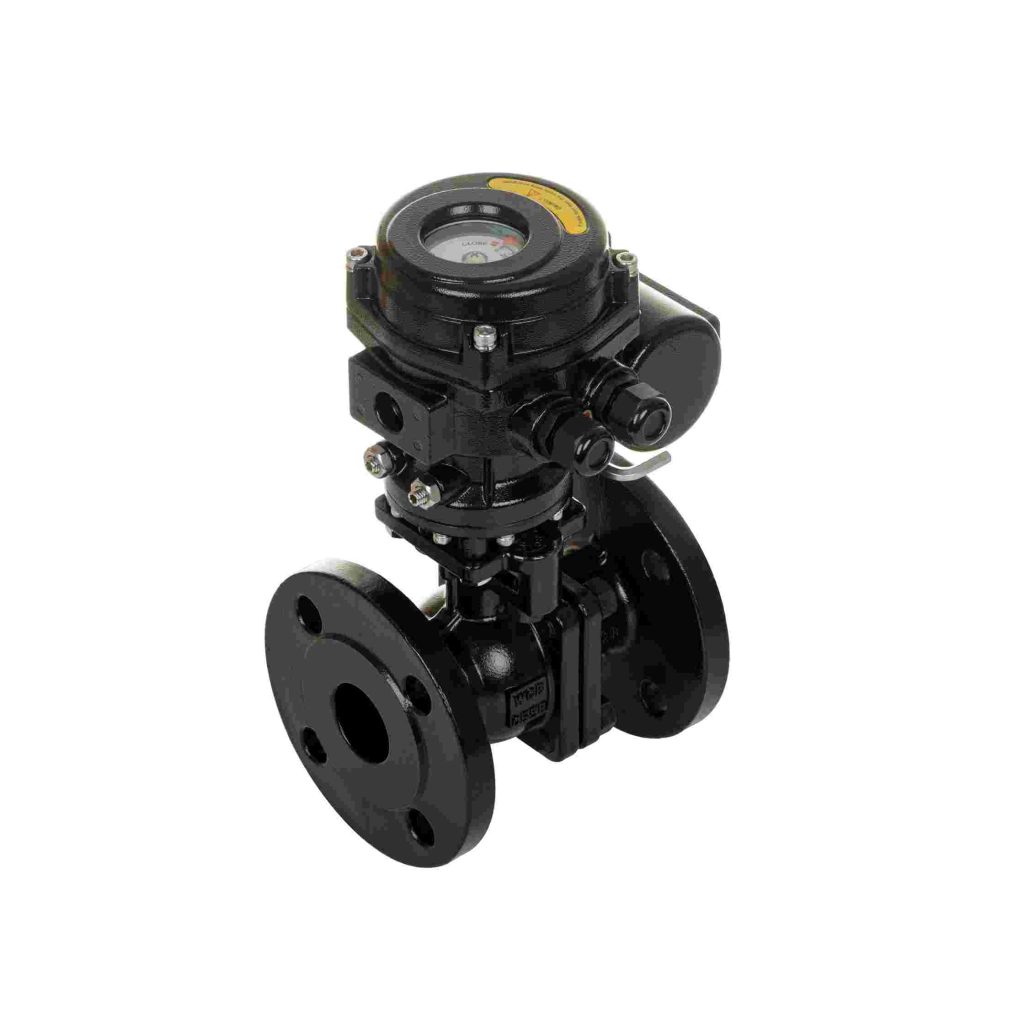
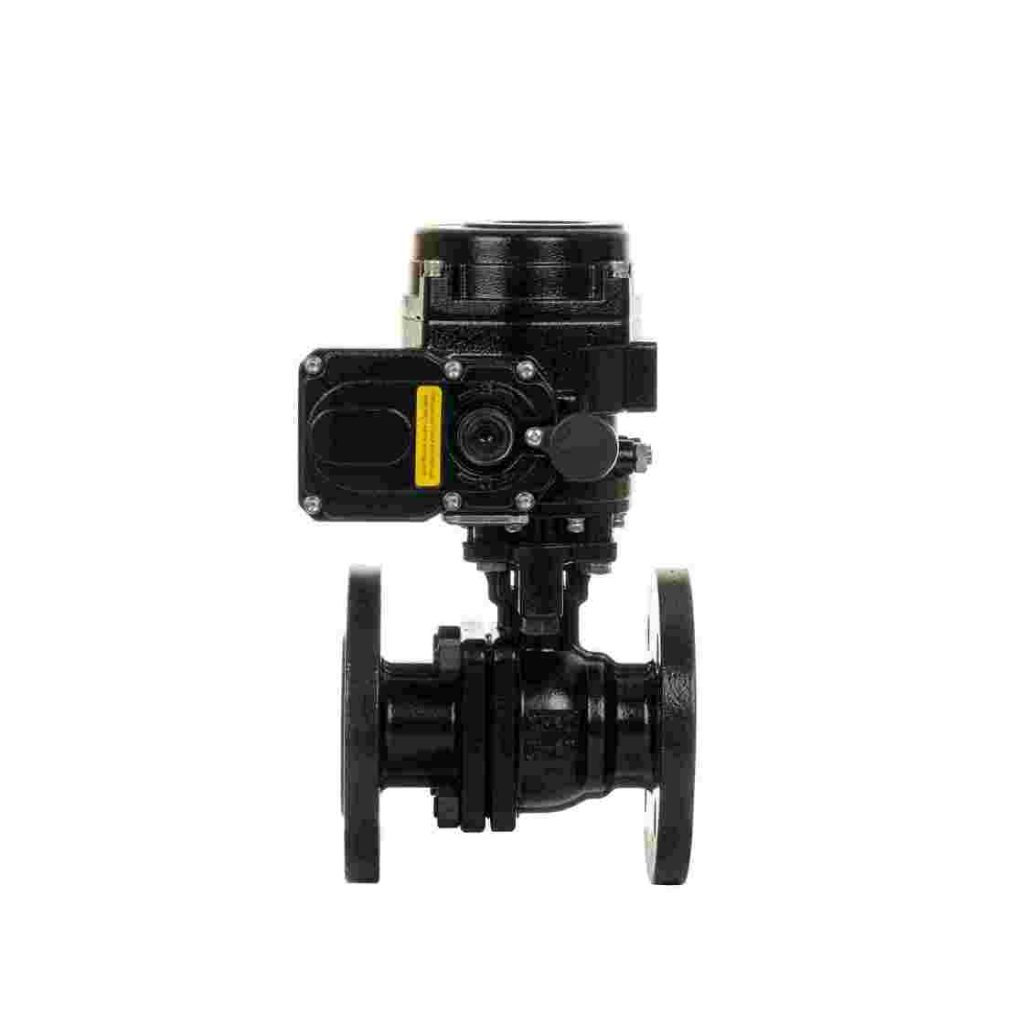
A Hydrogen Energy Electric Flange Ball Valve is a specially designed valve used to control the flow of hydrogen gas within a pipeline or system. The valve combines a ball valve design with an electric actuator, and it is connected to pipelines using flanged connections. The electric actuator allows for remote control of the valve, enabling precise management of the hydrogen flow, while the flange design ensures a secure and tight connection, which is essential when dealing with the high-pressure nature of hydrogen systems. At its core, the valve uses a spherical ball with a hole through it. When the valve is opened, the hole aligns with the pipeline, allowing hydrogen gas to pass through. When the valve is closed, the ball rotates to block the flow of gas. This simple yet effective mechanism makes the ball valve ideal for high-pressure applications where a reliable seal and quick operation are necessary.