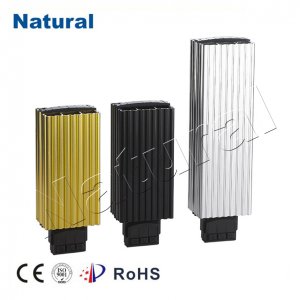
In the world of modern heating solutions, aluminum heaters have become an increasingly popular choice due to their efficiency, durability, and versatility. Whether for residential, commercial, or industrial applications, aluminum heaters offer a variety of benefits that make them a standout option compared to other traditional heating methods. This article explores the advantages, working mechanism, and common uses of aluminum heaters, shedding light on why they are an excellent choice for anyone looking for reliable heating solutions.
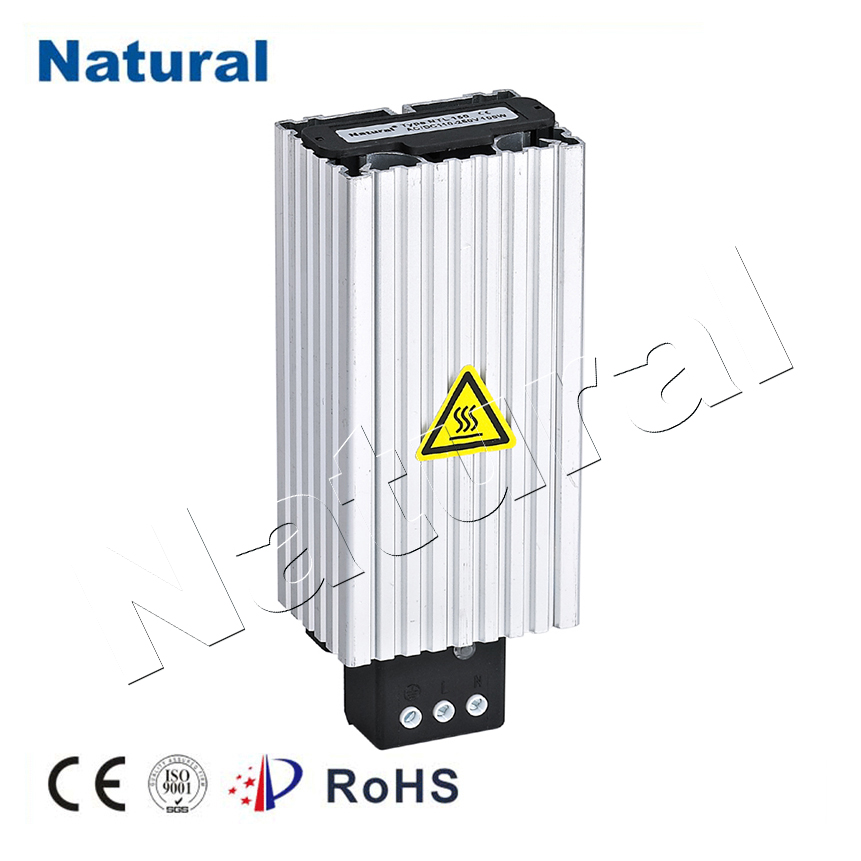
The Basics of Aluminum Heaters
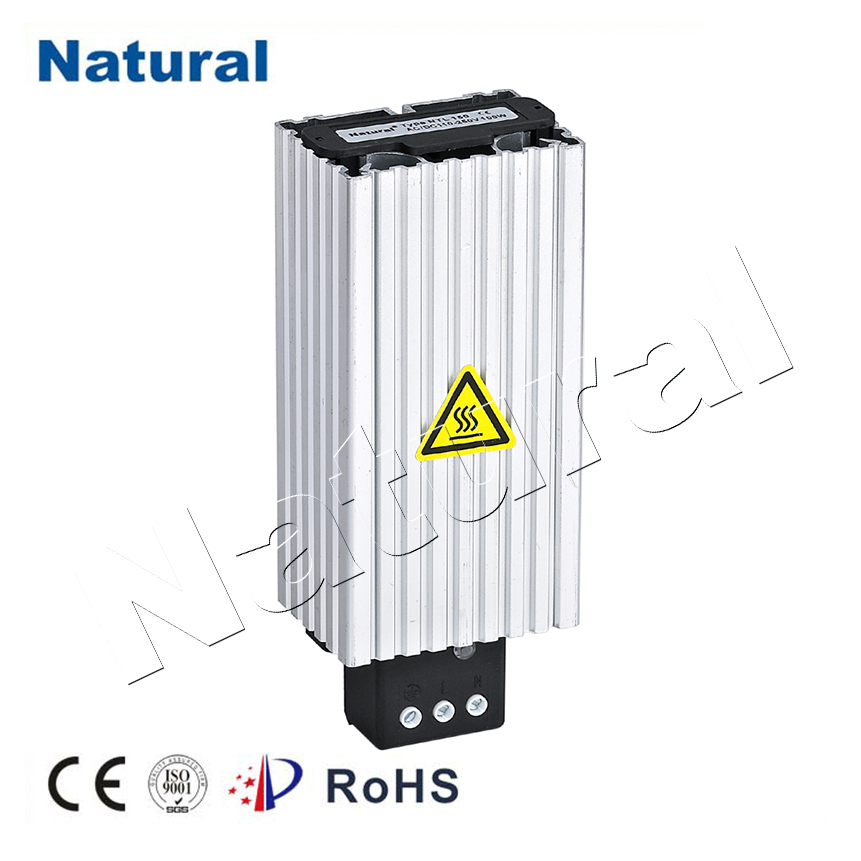
An aluminum heater typically refers to a heating device that uses aluminum elements or aluminum-based materials to generate and distribute heat. Aluminum is chosen for its exceptional thermal conductivity, meaning it can quickly and evenly transfer heat. This makes it an ideal material for heaters where efficient heat distribution is essential. The basic principle behind an aluminum heater is quite simple. When electricity passes through an aluminum heating element, it encounters resistance, which causes the element to heat up. This heat is then radiated or transferred to the surrounding air, raising the temperature of the space. The high thermal conductivity of aluminum ensures that the heat is evenly distributed, and it cools down less quickly than some other materials, making it energy-efficient.