The Stainless Steel Electric Single Seat Regulating Valve is a vital component in various industrial applications, where precise flow control and durability are crucial. With its combination of high-performance regulation capabilities, robust material construction, and versatile functionality, this valve has become a go-to solution in industries such as chemical processing, water treatment, HVAC, food processing, and more. In this article, we will explore the key features, benefits, and applications of the Stainless Steel Electric Single Seat Regulating Valve.
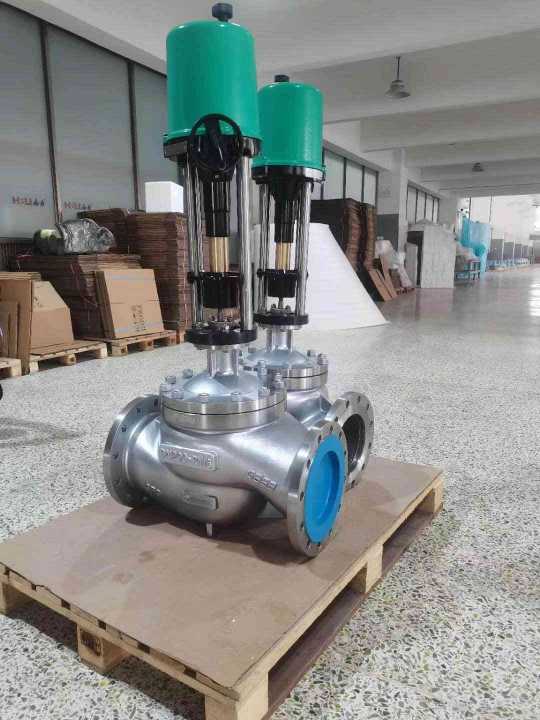
Key Features of the Stainless Steel Electric Single Seat Regulating Valve Stainless Steel Construction: The primary feature of this valve is its construction from stainless steel, which provides excellent resistance to corrosion, wear, and high temperatures. This makes the valve suitable for handling aggressive and corrosive fluids, as well as operating in harsh environments where standard materials might fail. Stainless steel is also easy to clean and maintain, which is essential in industries like food processing or pharmaceuticals. Electric Actuation: The valve is controlled by an electric actuator, which adjusts the position of the valve plug based on electrical signals. Typically, these valves operate using a 4-20mA signal, allowing for precise adjustments. Electric actuators provide more flexibility and control compared to pneumatic or manual actuators, enabling remote operation and integration into automated systems. This feature is particularly useful in industries where real-time flow adjustments are required.