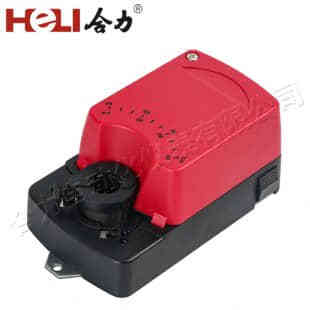
In modern HVAC (Heating, Ventilation, and Air Conditioning) systems, maintaining optimal airflow and ensuring precise temperature regulation are essential for energy efficiency and comfort. One crucial component in achieving these goals is the Damper actuator. This device plays a key role in controlling the air distribution within a building by regulating dampers in the HVAC system. This article will explore the working principles, types, applications, and benefits of damper actuators in HVAC systems.
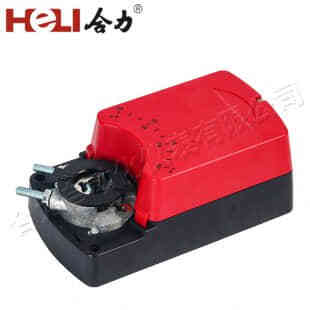
What is a Damper Actuator?
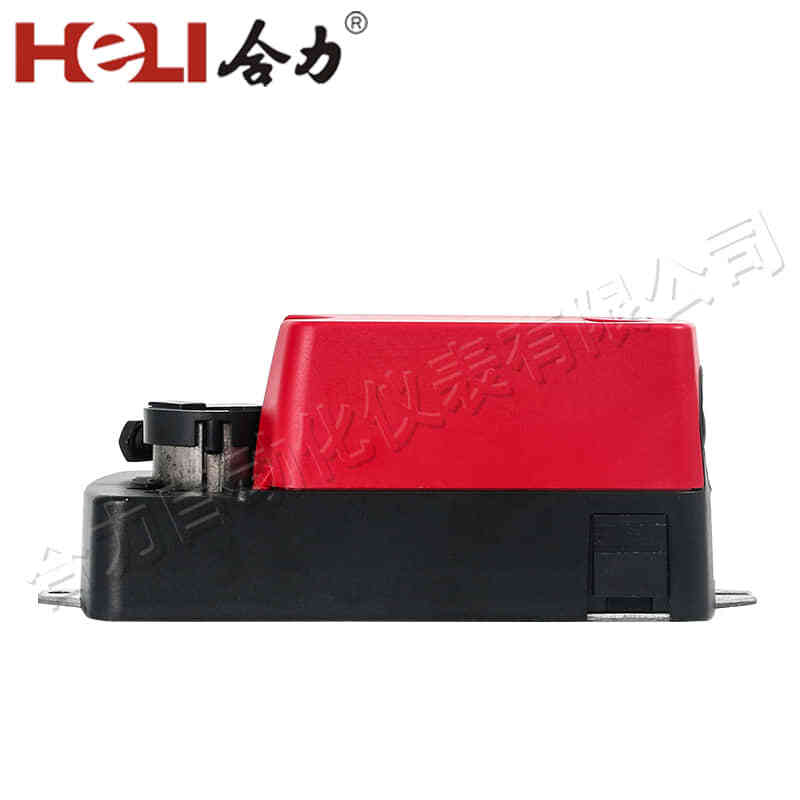
A Damper actuator is an electro-mechanical device designed to control the position of dampers in HVAC systems. Dampers are adjustable plates or valves used to regulate airflow in ventilation ducts, and the actuator is responsible for opening or closing these dampers based on control signals. The actuator ensures that the correct amount of air is distributed to different parts of a building, contributing to the overall performance of the HVAC system. This can include controlling the temperature, air quality, and even energy usage. How Does a Damper Actuator Work? Damper actuators are typically driven by electric motors, pneumatic systems, or a combination of both. When a sensor detects a change in the air temperature or pressure, it sends a signal to the actuator. In response, the actuator adjusts the damper’s position by rotating it to a specific angle, allowing more or less air to flow through the duct. The movement is usually controlled by a 0-10V DC or 4-20mA signal, depending on the system’s specifications.