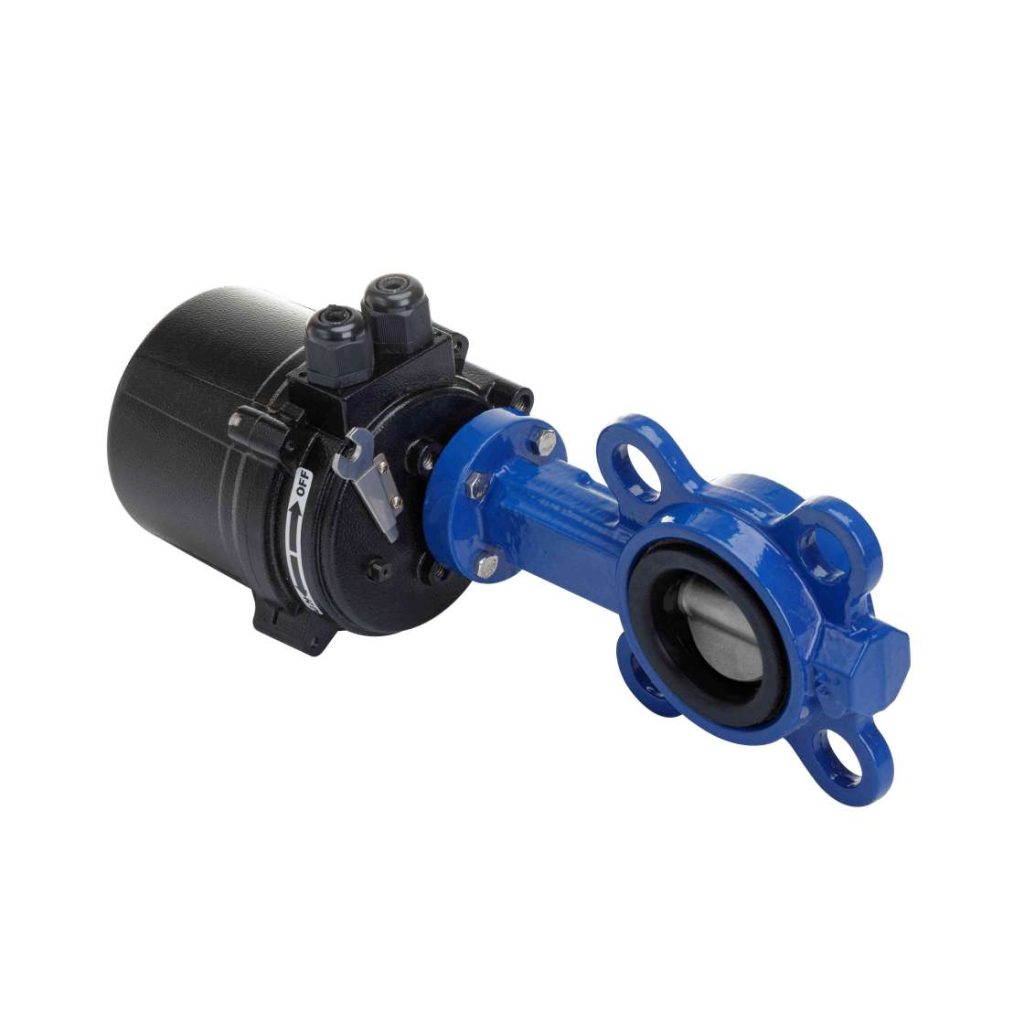
An electric butterfly valve is an essential component in modern flow control systems, providing efficient and reliable performance in a wide range of industrial applications. This type of valve uses an electric actuator to control the rotation of a disc, enabling precise regulation of fluid or gas flow through pipelines. It is widely used in sectors such as HVAC systems, water treatment plants, chemical processing, and power generation, offering several advantages over traditional valve designs. This article explores the structure, working principle, applications, advantages, and considerations when choosing an electric butterfly valve.
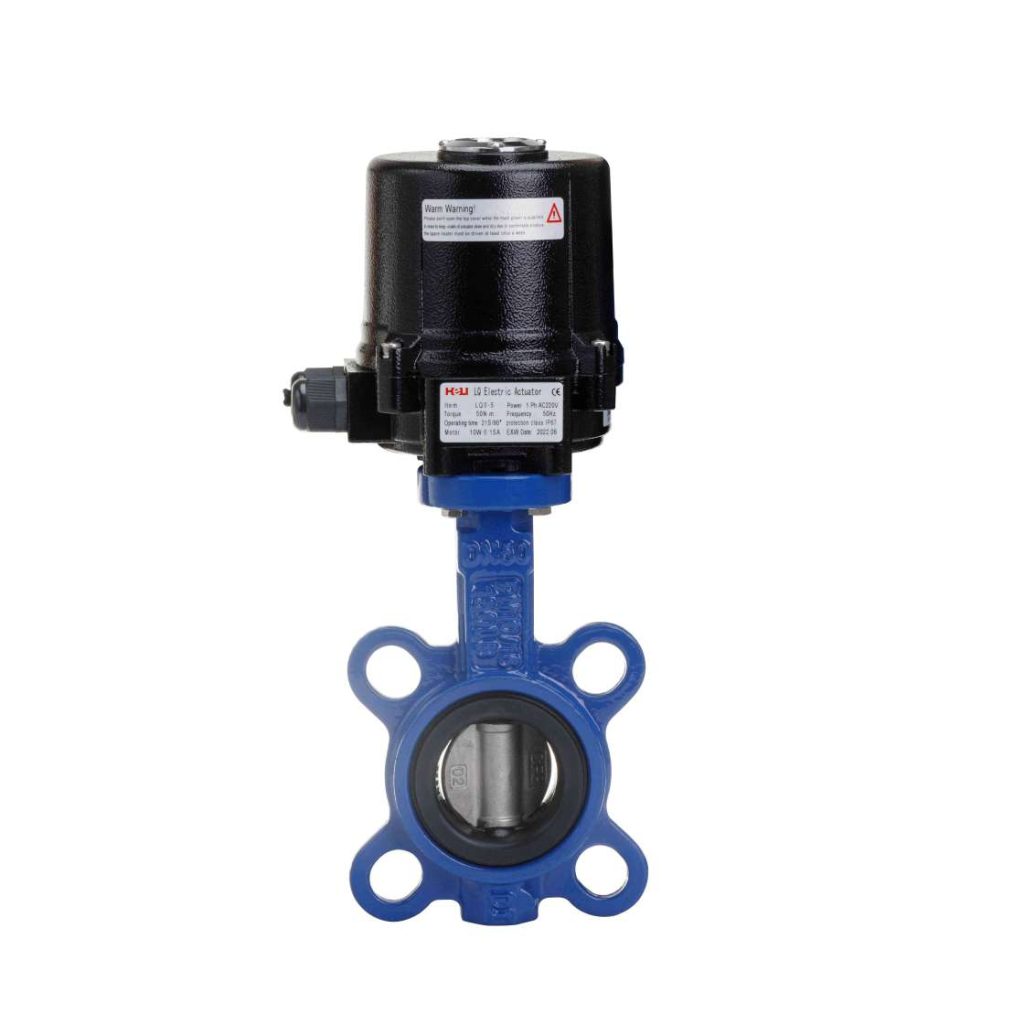
Structure and Working Principle of the Electric Butterfly Valve
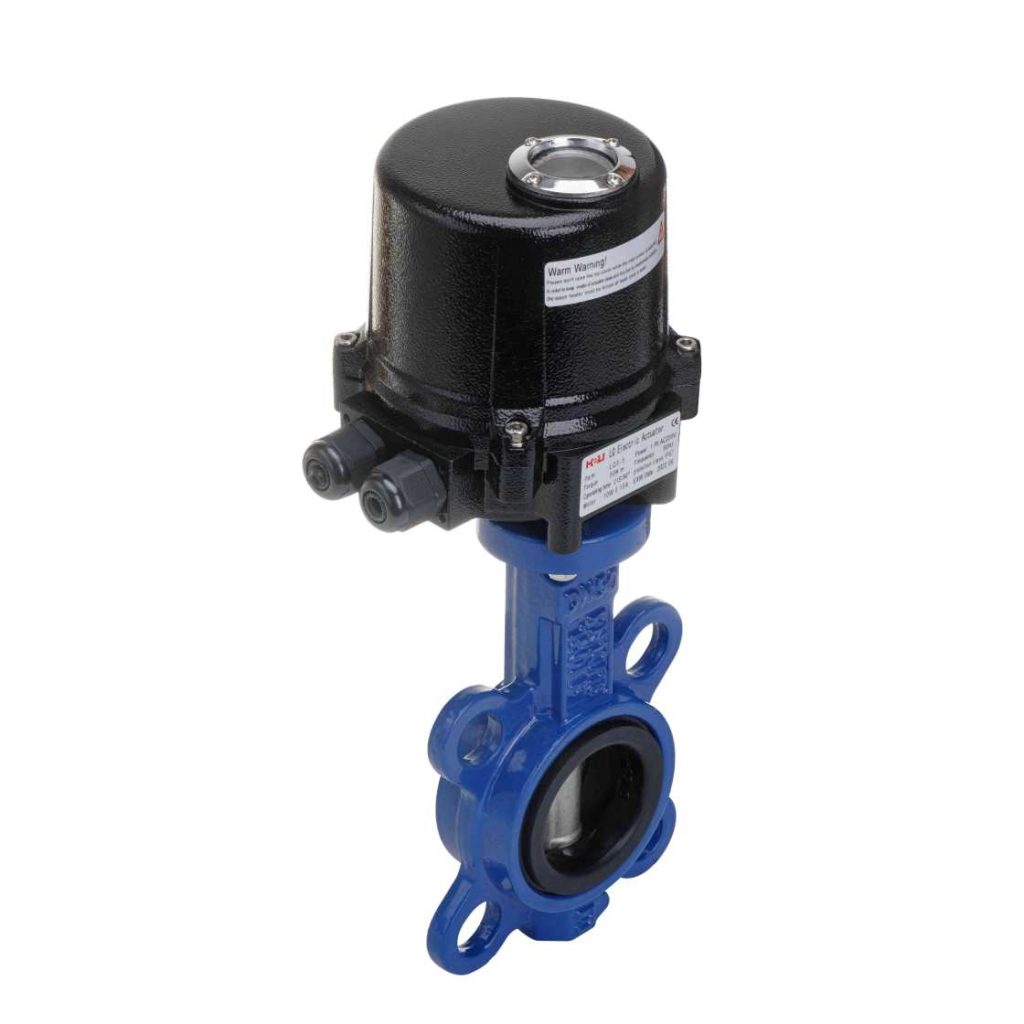
The electric butterfly valve consists of several key components: the valve body, a circular disc (or butterfly), a shaft, and the electric actuator. The valve body is typically made from materials like cast iron, stainless steel, or PVC, depending on the nature of the fluid being handled and the operating environment. The disc is mounted within the valve body, and it is the component that controls the flow of the fluid. The electric actuator is responsible for rotating the disc to various angles, ranging from fully open to fully closed, depending on the required flow rate. The electric actuator typically receives an electrical signal from a controller, such as a 4-20mA control signal or a simple open/close signal. The actuator converts this signal into mechanical movement to rotate the disc. When the disc is aligned with the pipe’s flow path, the valve is fully open, allowing maximum flow. When the disc rotates perpendicular to the flow path, the valve is closed, blocking the flow entirely. The ability to precisely control the disc’s position allows for both on/off and throttling (partial flow) control.