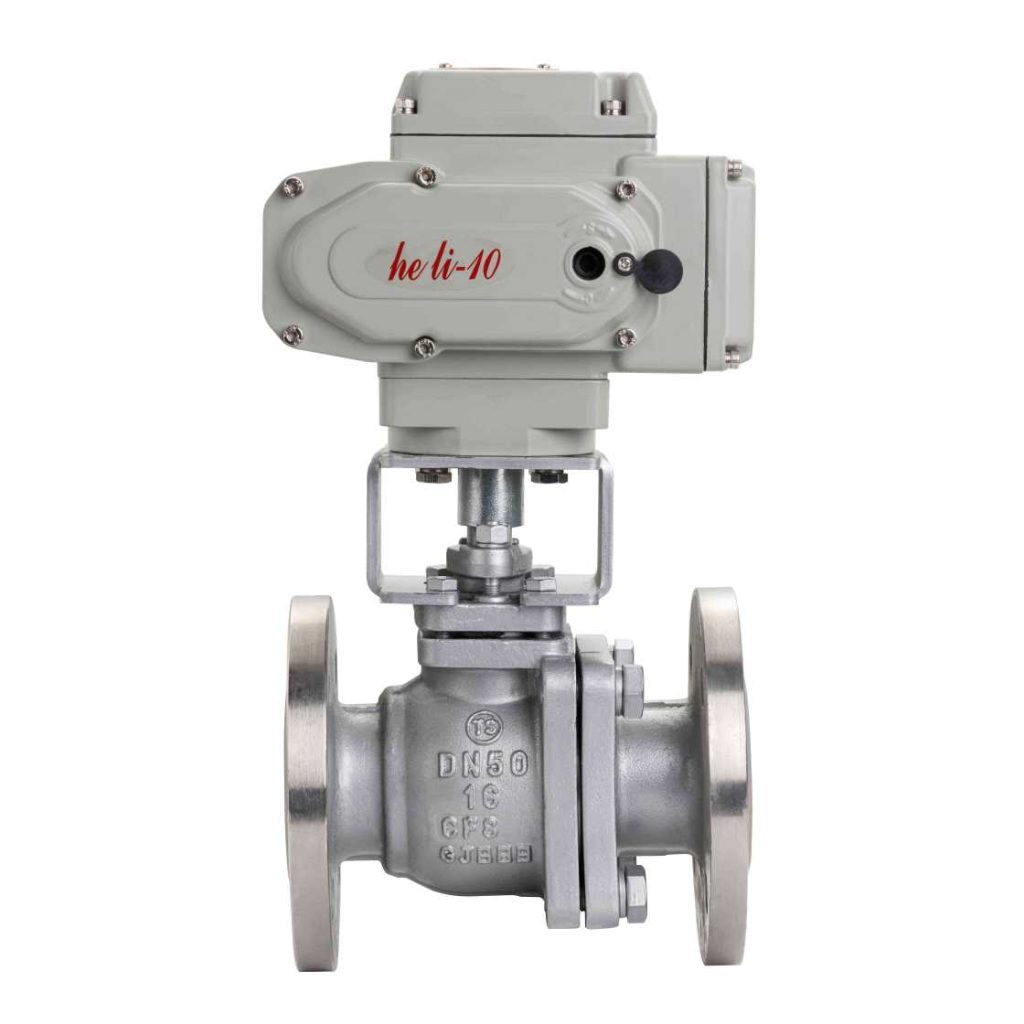
Electric anti-corrosion ball valves represent a significant advancement in the field of fluid control, combining the robust functionality of ball valves with the enhanced capabilities of electric actuators and anti-corrosion materials. These valves are widely used in industries where fluid flow needs to be precisely controlled while ensuring the longevity and safety of the system. This article explores the importance, working mechanism, and applications of electric anti-corrosion ball valves, highlighting their advantages in modern industrial systems.
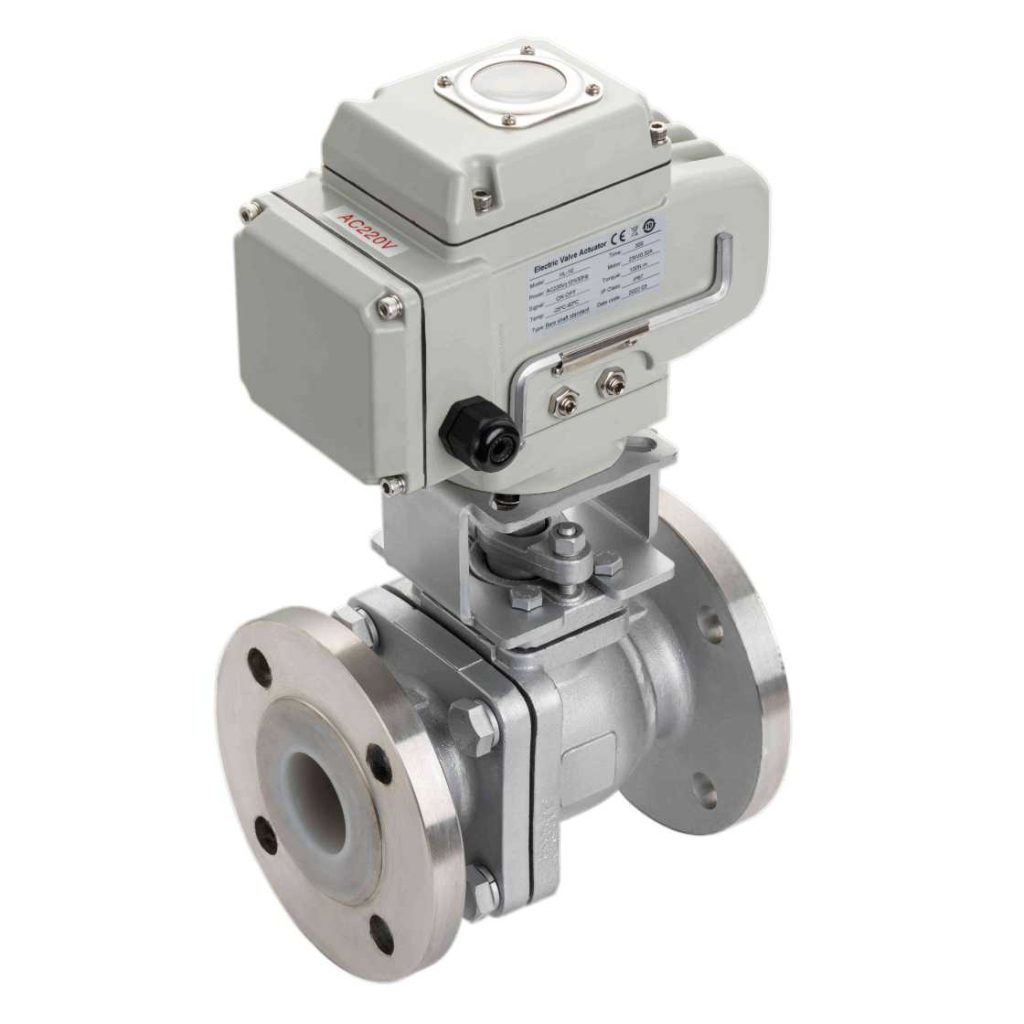
Understanding Electric Anti-Corrosion Ball Valves
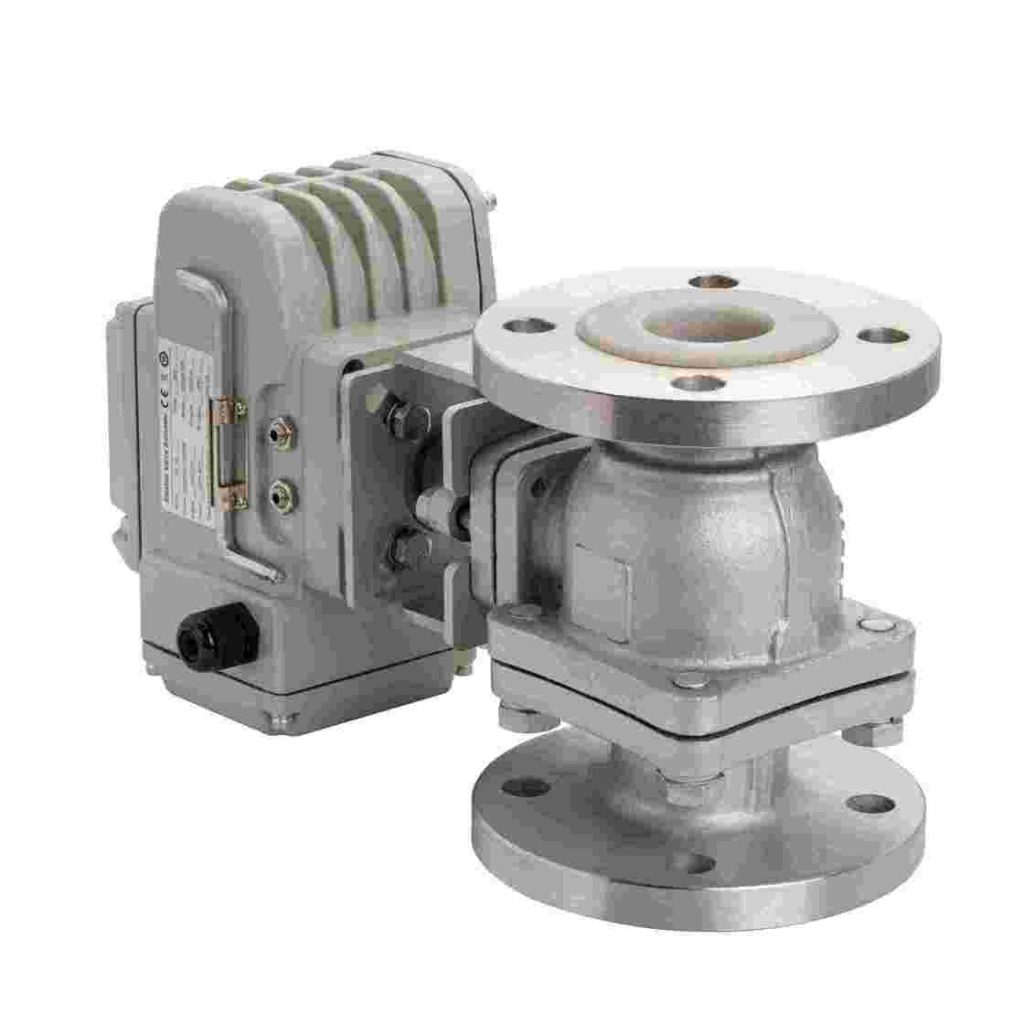
A ball valve is a simple yet highly effective device used to control the flow of fluids in pipelines. It consists of a ball with a hole in the center that rotates to either allow or block the flow of liquid or gas. The electric anti-corrosion ball valve integrates an electric actuator to automate this opening and closing mechanism, making it suitable for systems that require remote or precise control. The “anti-corrosion” element refers to the special materials used to make the valve resistant to rust and degradation, particularly in harsh environments. Materials such as stainless steel, titanium, or other corrosion-resistant coatings are commonly used in the construction of these valves, ensuring they can withstand exposure to chemicals, high temperatures, and extreme conditions like seawater or industrial waste.