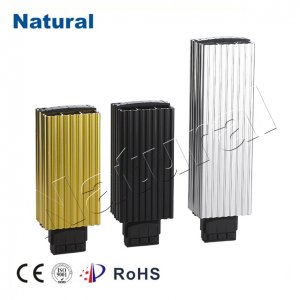
Aluminum heaters have gained popularity in both residential and industrial heating applications due to their efficiency, lightweight design, and durability. These heaters utilize the excellent heat conductivity of aluminum to provide effective heating solutions. In this article, we will explore the various types of aluminum heaters, their advantages and disadvantages, and how they are transforming the way we heat our spaces.
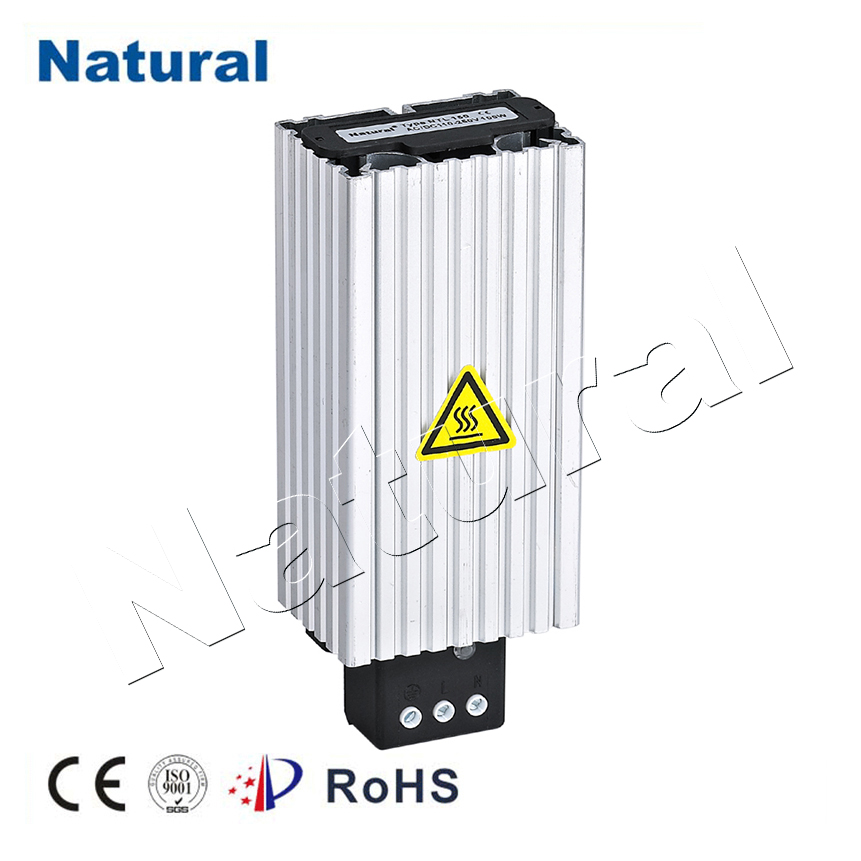
What Is an Aluminum Heater?
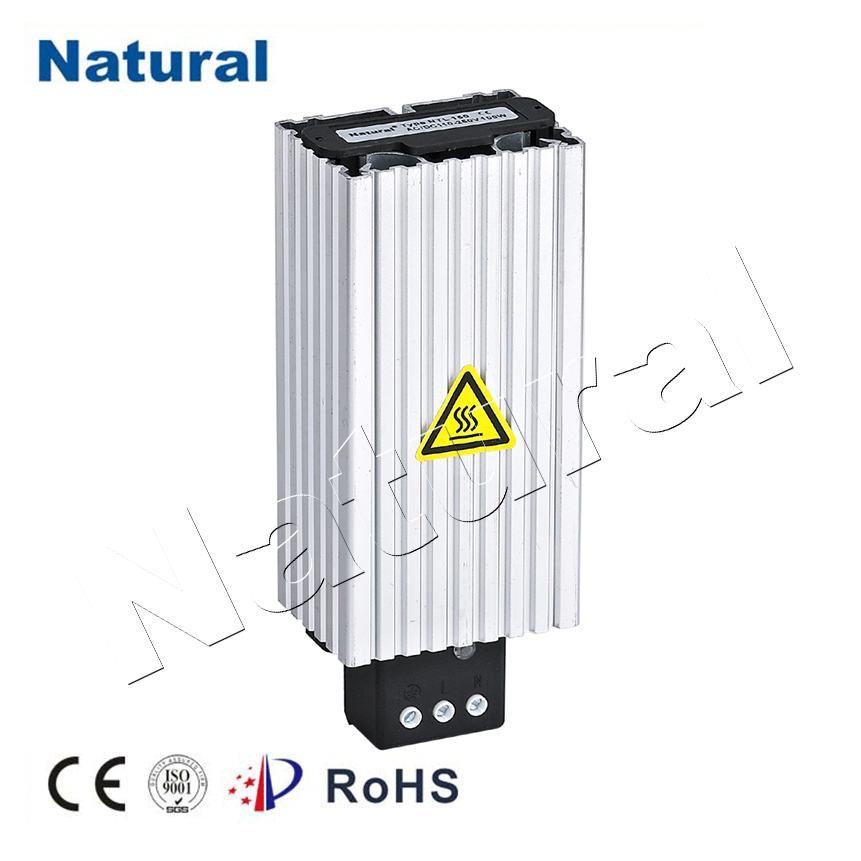
An aluminum heater is a type of heating device that uses aluminum as a primary material for heat conduction. Aluminum is known for its high thermal conductivity, which allows heat to spread quickly and efficiently throughout the system. This feature makes aluminum heaters ideal for fast and consistent heating, whether for small home spaces or large industrial environments. Types of Aluminum Heaters There are several different types of aluminum heaters available on the market, each designed for specific purposes. The most common types include: Aluminum Radiators: These are often used in home heating systems. The aluminum radiator works by heating up a fluid inside the system, usually oil, which in turn radiates heat into the room. These radiators are often favored for their even heat distribution and energy efficiency.