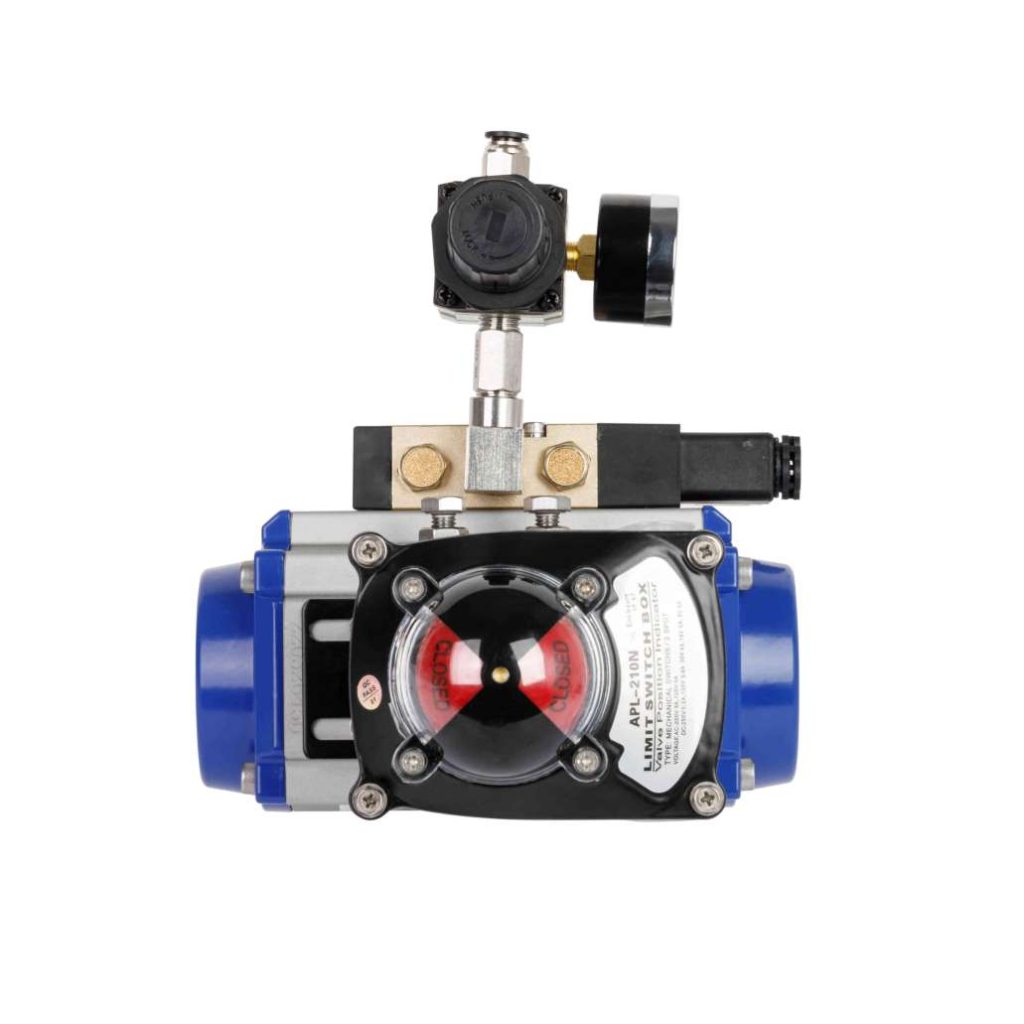
Pneumatic actuators play a critical role in the world of industrial automation, helping to drive a wide range of machinery and systems. As manufacturers continue to push the boundaries of automation, the demand for efficient, reliable, and durable pneumatic actuators is on the rise. In this article, we explore the role of pneumatic actuator manufacturers, the technology behind these devices, and how they are transforming industries worldwide.
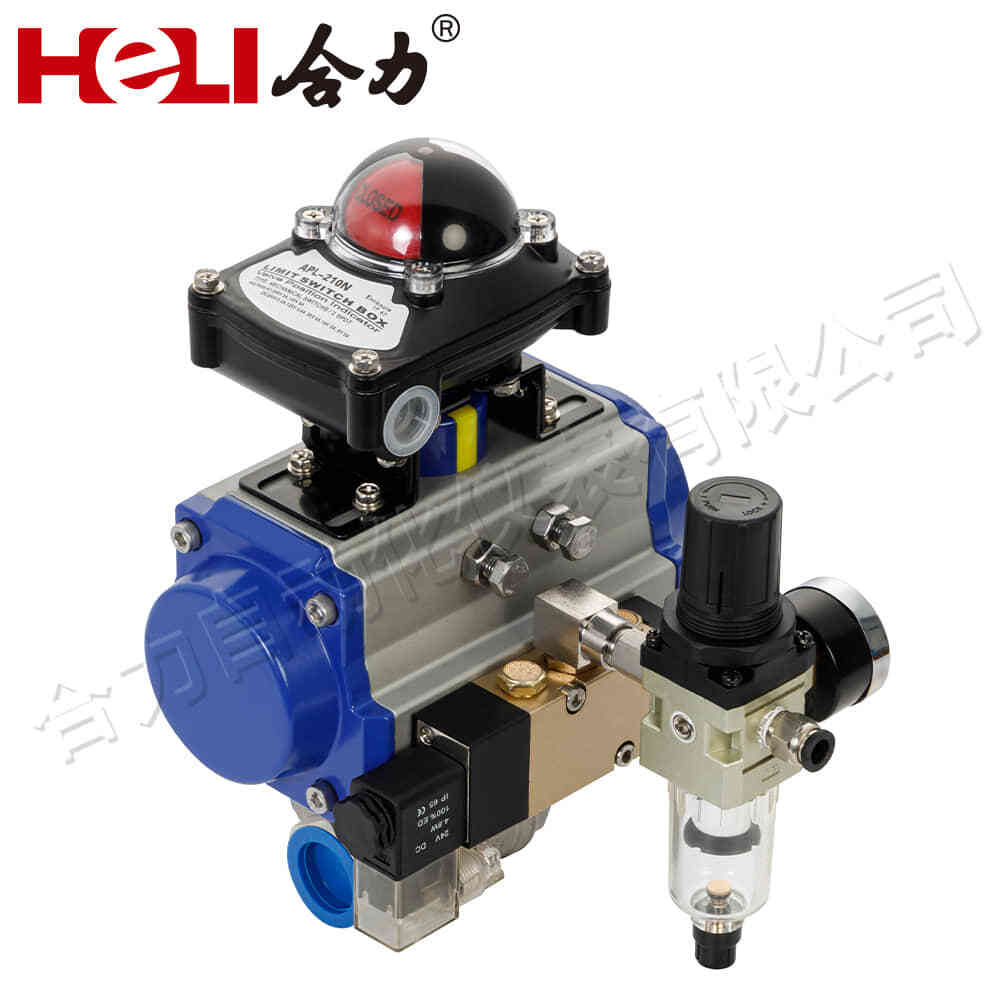
The Function of Pneumatic Actuators
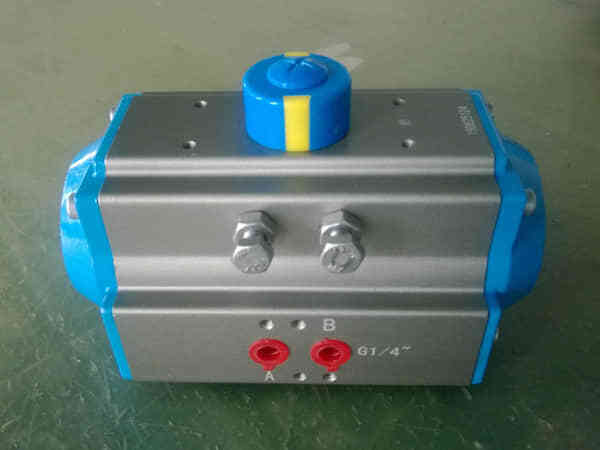
Pneumatic actuators are devices that use compressed air to produce mechanical movement. These actuators convert the energy stored in compressed air into motion, which can either be linear (straight-line movement) or rotary (circular motion). The versatility of pneumatic actuators makes them suitable for various industrial applications, including valve control, robotics, material handling, and process automation. There are two main types of pneumatic actuators: linear actuators and rotary actuators. Linear actuators generate a pushing or pulling force, often used in applications like conveyor systems, robotic arms, and presses. Rotary actuators, on the other hand, generate a rotating force, commonly used for controlling valves, dampers, or gates.