Lithium-ion (Li-ion) batteries are among the most widely used energy storage systems in various industries, from consumer electronics to electric vehicles and renewable energy storage. While their high energy density and long cycle life make them a popular choice, these batteries also come with certain safety risks. One of the key safety components used to mitigate these risks is the WCB Lithium battery valve, a specialized valve designed to protect batteries from dangerous overpressure situations. This article explores the significance, function, and working principles of the WCB Lithium battery valve, highlighting its role in ensuring battery safety.
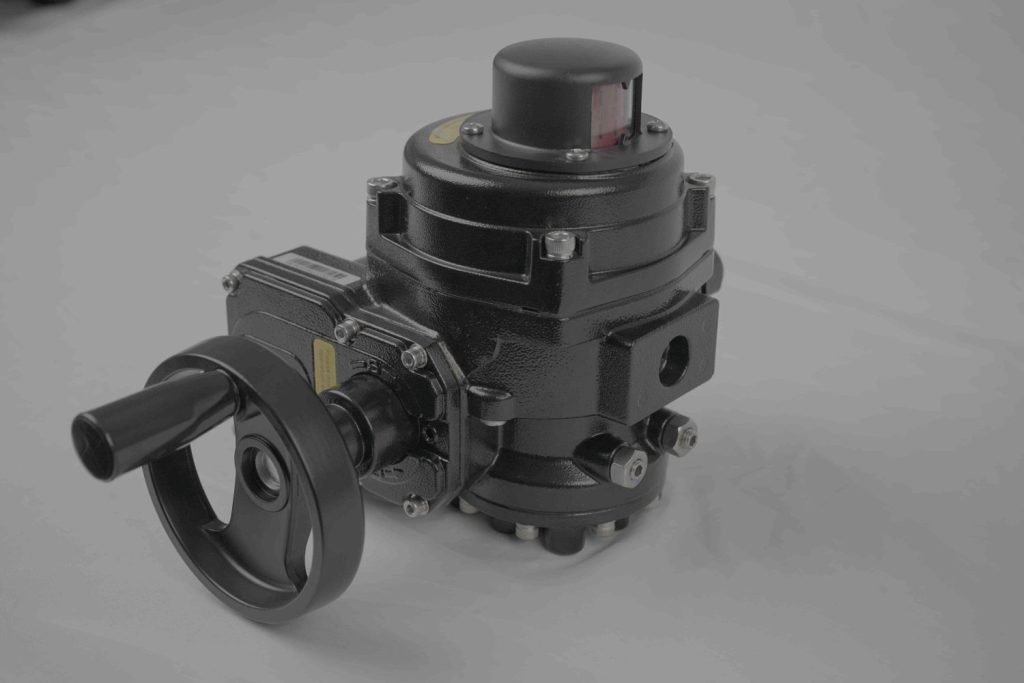
What is a WCB Lithium Battery Valve? The WCB Lithium battery valve is a safety mechanism integrated into the battery design to release excessive pressure or gas buildup caused by thermal runaway, overcharging, or other battery failures. When a battery undergoes an overcharge or a short circuit, internal temperature and pressure can increase rapidly, leading to catastrophic consequences like battery rupture or even fire. The WCB valve is specifically designed to mitigate this risk by venting excess pressure and maintaining safe operating conditions within the battery cells. These valves are typically used in high-energy-density lithium batteries, where the risk of failure is more significant due to the substantial amount of stored energy. They are critical in applications like electric vehicles (EVs), portable devices, and large-scale energy storage systems.