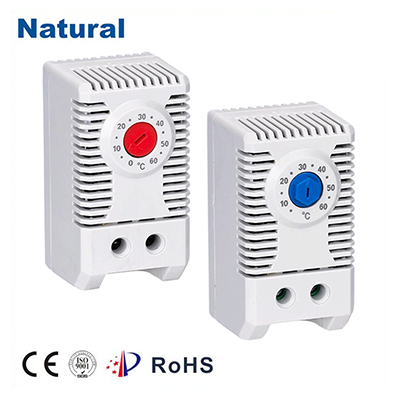
A bimetal thermostat thermostat is a mechanical device used to control temperature in various systems, from household appliances to industrial machinery. This device operates based on the principle of differential expansion of two metals that are bonded together. As the temperature changes, the differing expansion rates of the metals cause the bimetallic strip to bend, triggering an electrical switch. This simple yet effective mechanism has been in use for decades, and it remains an important component in numerous temperature-regulated systems.
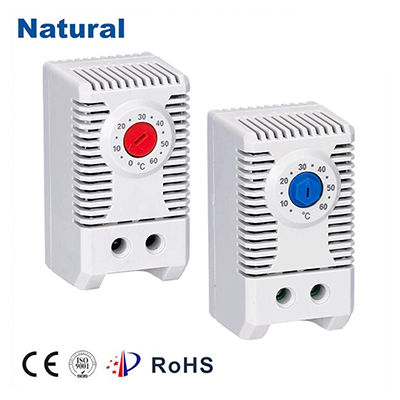
Working Principle of the Bimetal Thermostat Thermostat
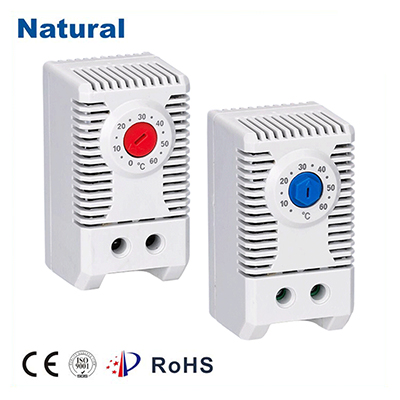
The core component of the bimetal thermostat is a bimetallic strip, made by bonding two metals with different thermal expansion coefficients. Typically, one metal expands faster than the other when heated. For instance, one might be copper, and the other aluminum. When the temperature increases, the metal that expands more will cause the bimetallic strip to bend. This bending action is what controls the thermostat’s function. As the strip bends, it either opens or closes an electrical contact, turning the device on or off. This mechanical action allows the thermostat to regulate the temperature within a specified range. When the temperature falls back to the desired level, the strip returns to its original shape, reversing the action and stabilizing the temperature.