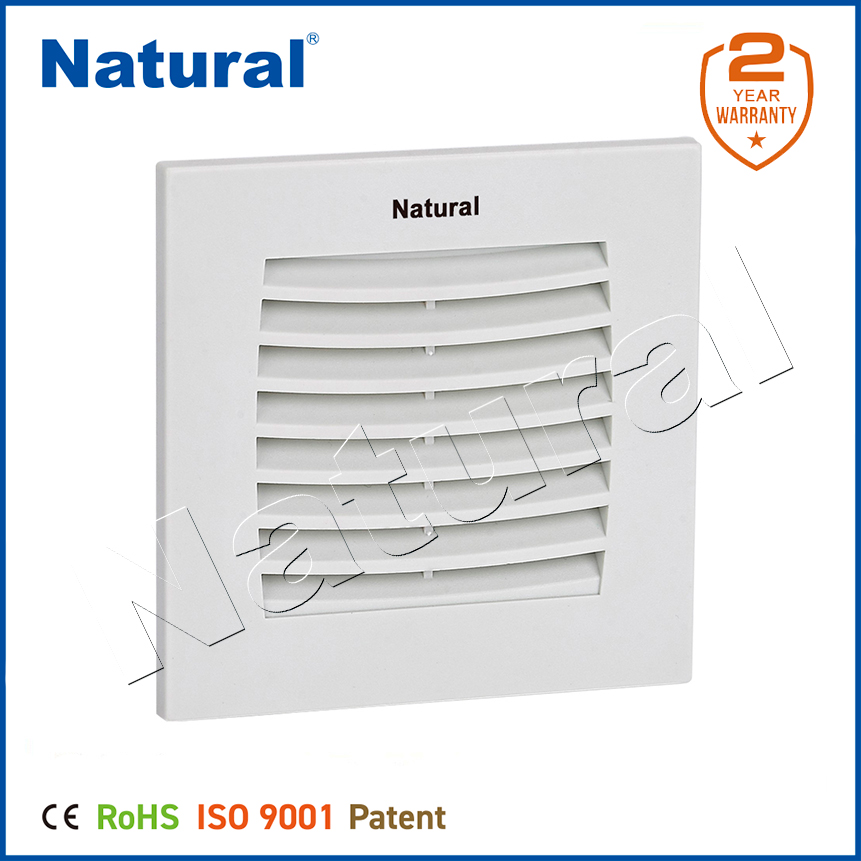
Fan filter exhaust systems have become an integral part of various industries and electronic applications. Whether it’s a data center, a manufacturing plant, or a simple household appliance, these systems play a crucial role in maintaining air quality, controlling temperature, and ensuring the longevity of equipment. In this article, we will explore the function, benefits, and applications of fan filter exhaust systems, shedding light on their importance in modern technological and industrial environments.
What is a Fan Filter Exhaust System?
A fan filter exhaust system is a mechanism that combines a fan and a filter to create a controlled airflow, which exhausts air and removes dust, debris, and other contaminants. It typically consists of a fan that circulates air, and a filter (usually a high-efficiency particulate air or HEPA filter) that captures dust particles and other pollutants before the air is expelled from the environment. These systems are used to regulate air quality and temperature, reducing the risk of equipment overheating, contamination, and failure. The Role of Fan Filter Exhaust Systems in Electronics In electronics, especially within data centers and server rooms, maintaining the right temperature is critical. Overheating can lead to significant malfunctions and system failures. Fan filter exhaust systems help by creating a steady airflow to cool down equipment. Fans push hot air out of the environment, while filters prevent dust and debris from entering, which can obstruct ventilation and cause further heating issues.