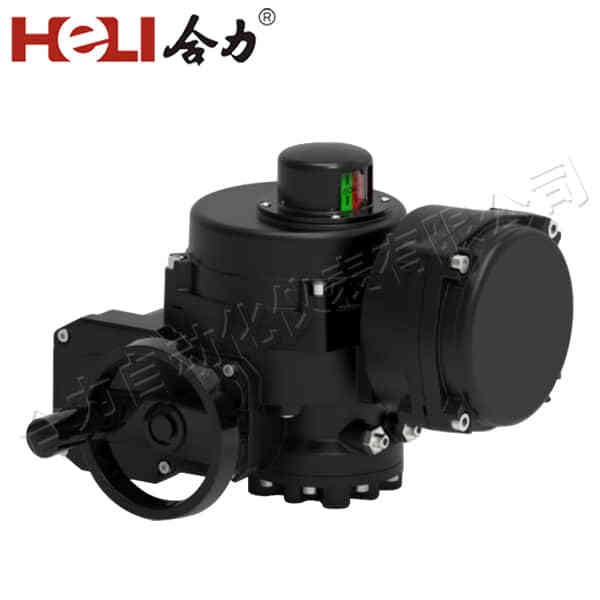
Explosion-proof electrical installations are crucial in environments where there is a risk of explosion due to flammable gases, vapors, or dust. These systems are designed to prevent any electrical equipment from igniting the surrounding atmosphere, thereby protecting people, equipment, and property. As industries such as oil and gas, chemical manufacturing, mining, and pharmaceuticals face risks of explosive environments, the importance of explosion-proof systems cannot be overstated. This article delves into the key features, types, standards, and applications of explosion-proof electrical installations.
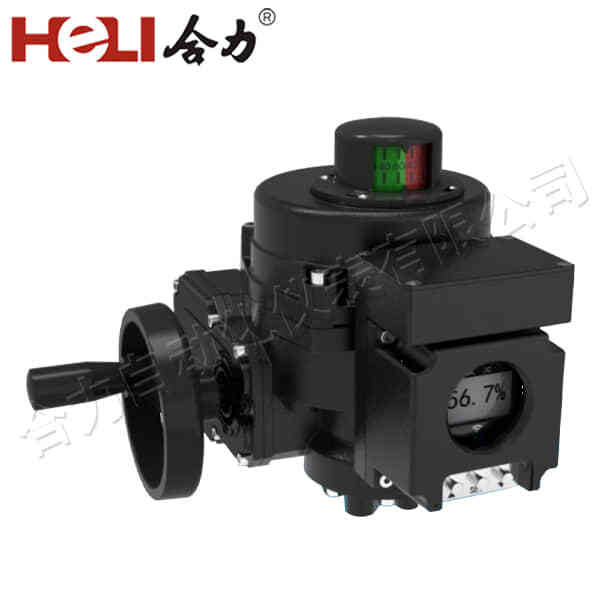
What is Explosion-Proof Electrical Installation?
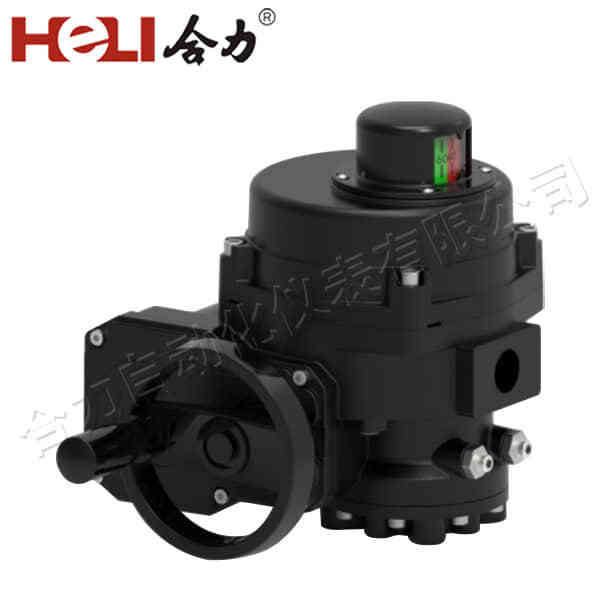
An explosion-proof electrical installation refers to a system of electrical equipment and wiring designed to prevent an ignition source in hazardous locations. The term “explosion-proof” means that the equipment is built to withstand an internal explosion and contain it within the enclosure, preventing any flames or sparks from reaching the outside environment. In doing so, it reduces the likelihood of igniting potentially explosive gases, vapors, or dust present in the area. Explosion-proof installations are essential for workplaces where there is a high risk of ignition, such as areas with volatile chemicals, oil, gas, and flammable materials. These installations provide a layer of protection that meets stringent safety standards, ensuring that equipment remains operational without posing a hazard to the environment or workers.