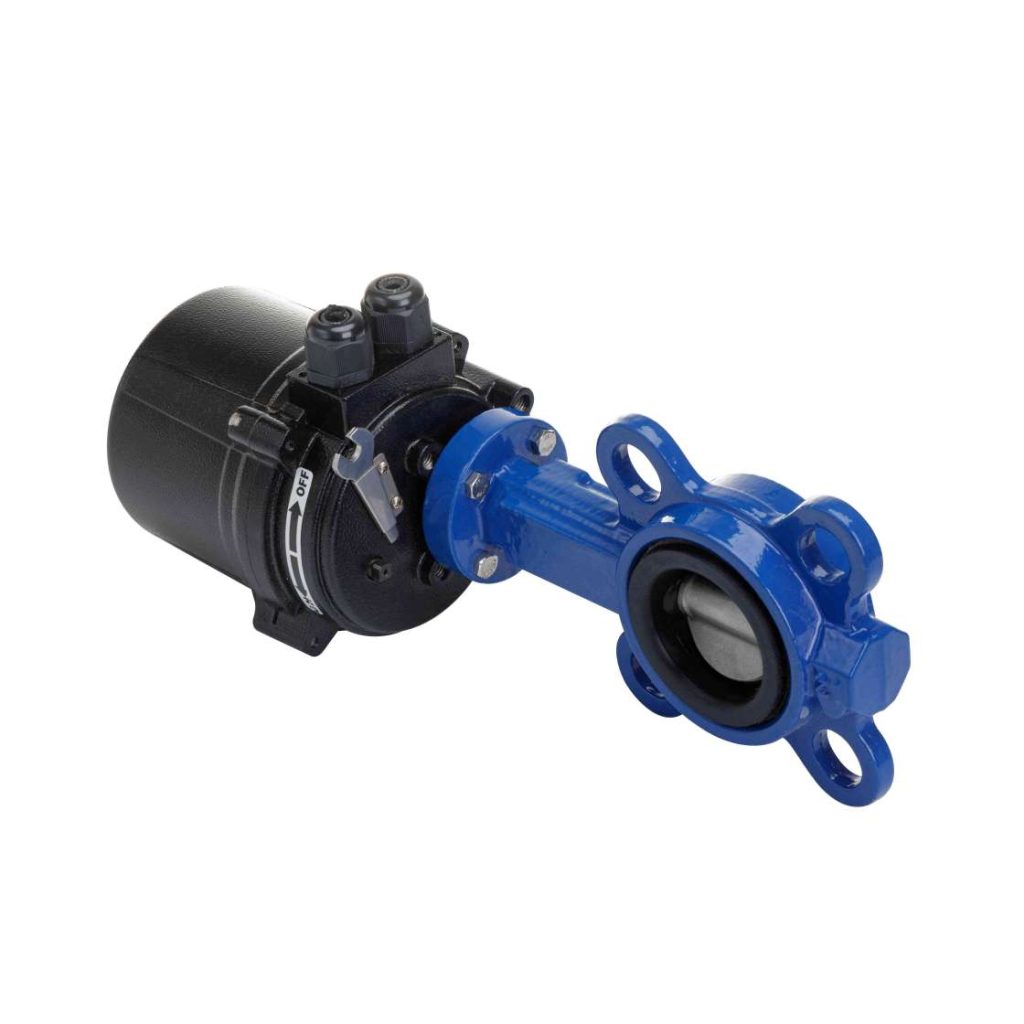
Agriculture, being one of the most water-intensive industries, faces growing challenges in managing water resources efficiently. With increasing demand for sustainable practices and resource conservation, the need for advanced irrigation systems has never been greater. One such innovation that plays a pivotal role in modern irrigation systems is the WCB Electric Butterfly Valve. This valve is designed to provide precise control over water flow, ensuring optimal irrigation while conserving water—a key goal in today’s agricultural practices.
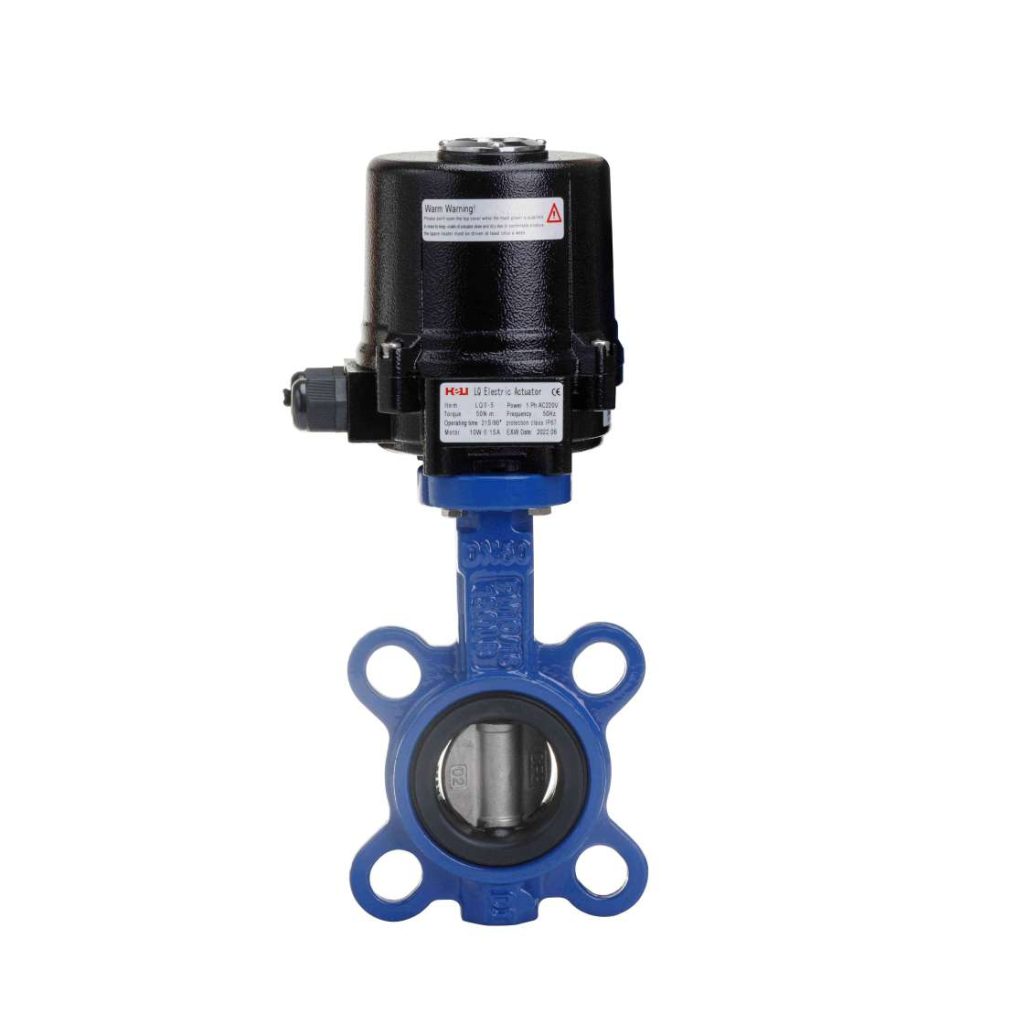
What is a WCB Electric Butterfly Valve?
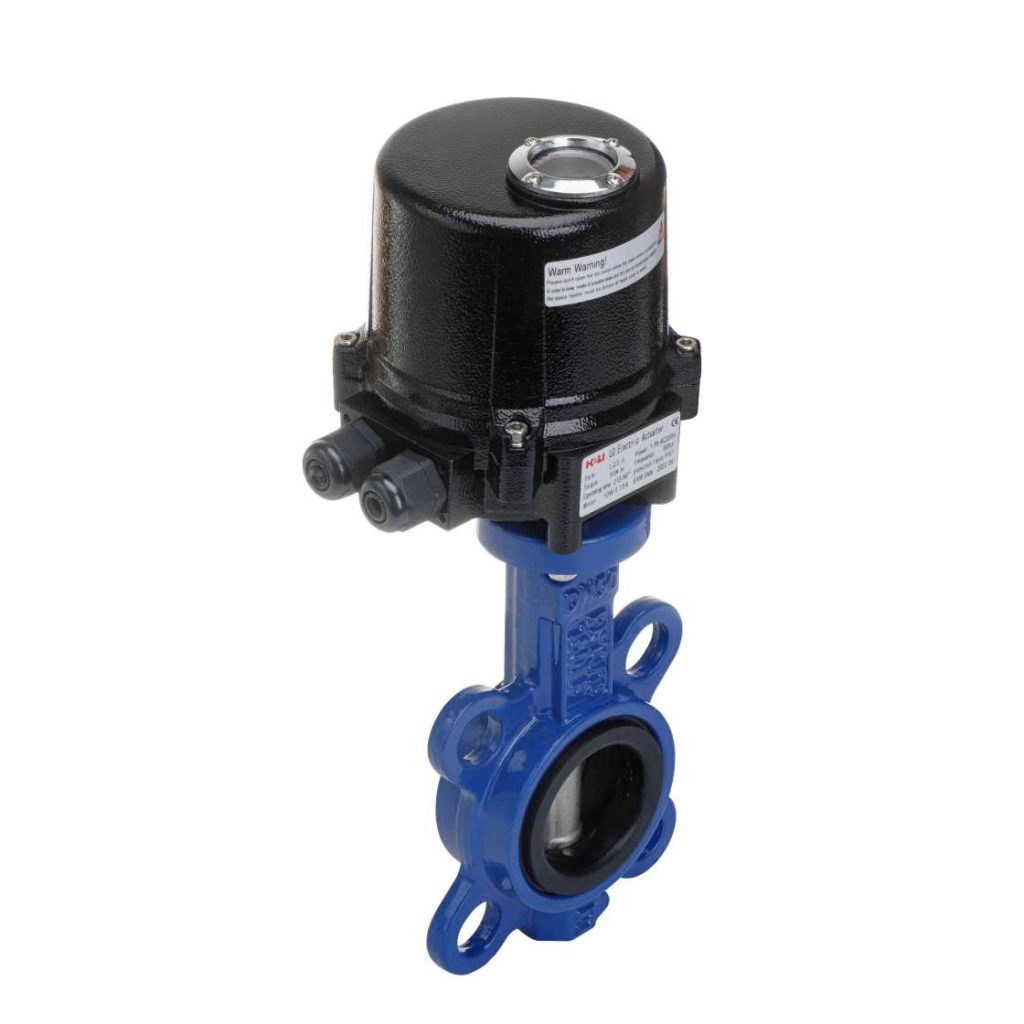
A WCB Electric Butterfly Valve is a type of flow control valve commonly used in agricultural irrigation systems. The acronym “WCB” refers to the material of the valve body, which is typically made of Wrought Carbon Steel. The valve operates using an electric actuator, which enables remote and automated control of water flow. This valve is typically used for regulating water in large irrigation systems, offering superior control and reliability. The design of the butterfly valve is simple yet highly effective. The valve consists of a disc (or “butterfly”) that rotates around an axis to either open or close the valve. The electric actuator, which can be controlled remotely, adjusts the position of the butterfly, thereby controlling the flow of water through the system. This design makes the WCB Electric Butterfly Valve ideal for irrigation systems that require accurate and efficient water flow management.