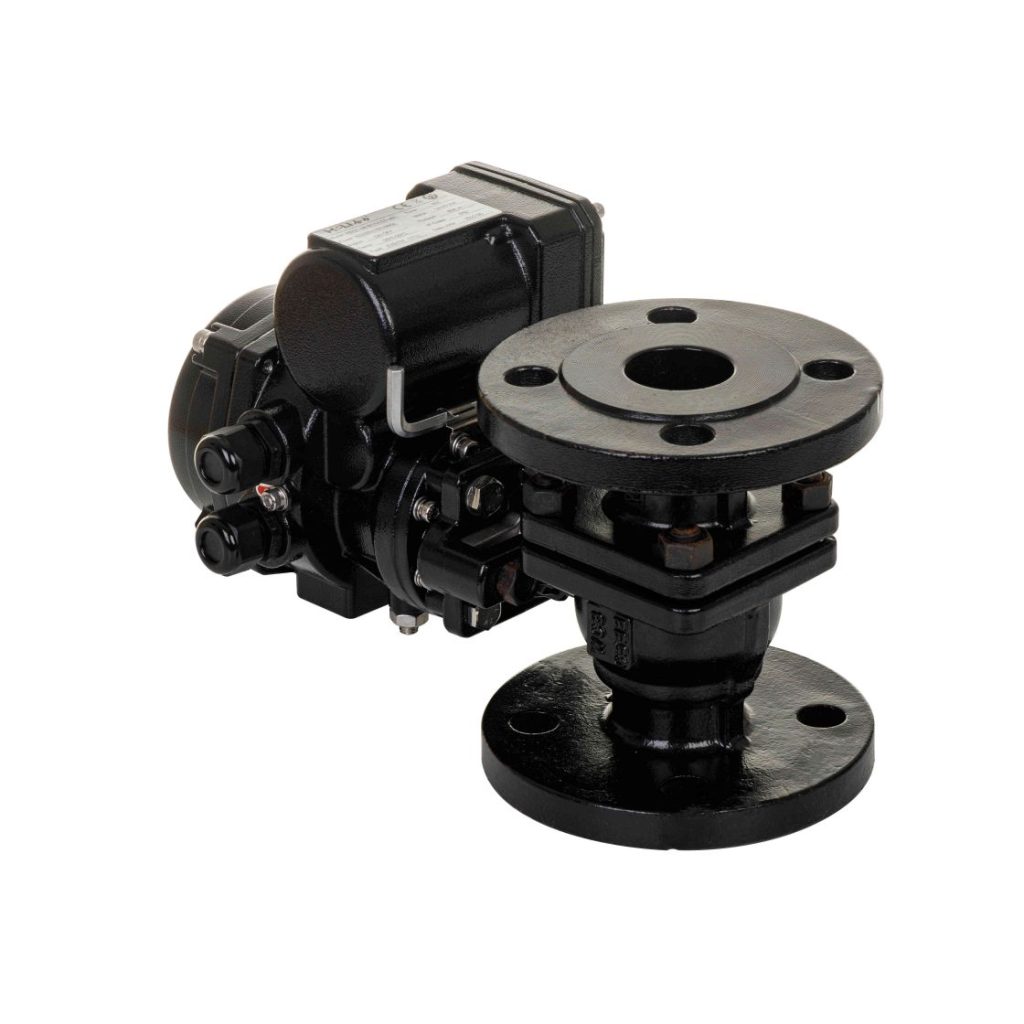
The Stainless Steel Electric Flange Ball Valve is a critical component used in modern industries for controlling the flow of liquids and gases in a system. This type of valve integrates the durable, corrosion-resistant qualities of stainless steel with the convenience and precision of electric actuation. It is commonly found in a wide array of sectors, including oil and gas, chemical processing, water treatment, and HVAC systems. This article will provide an in-depth exploration of the Stainless Steel Electric Flange Ball Valve, highlighting its design features, advantages, applications, and maintenance tips.
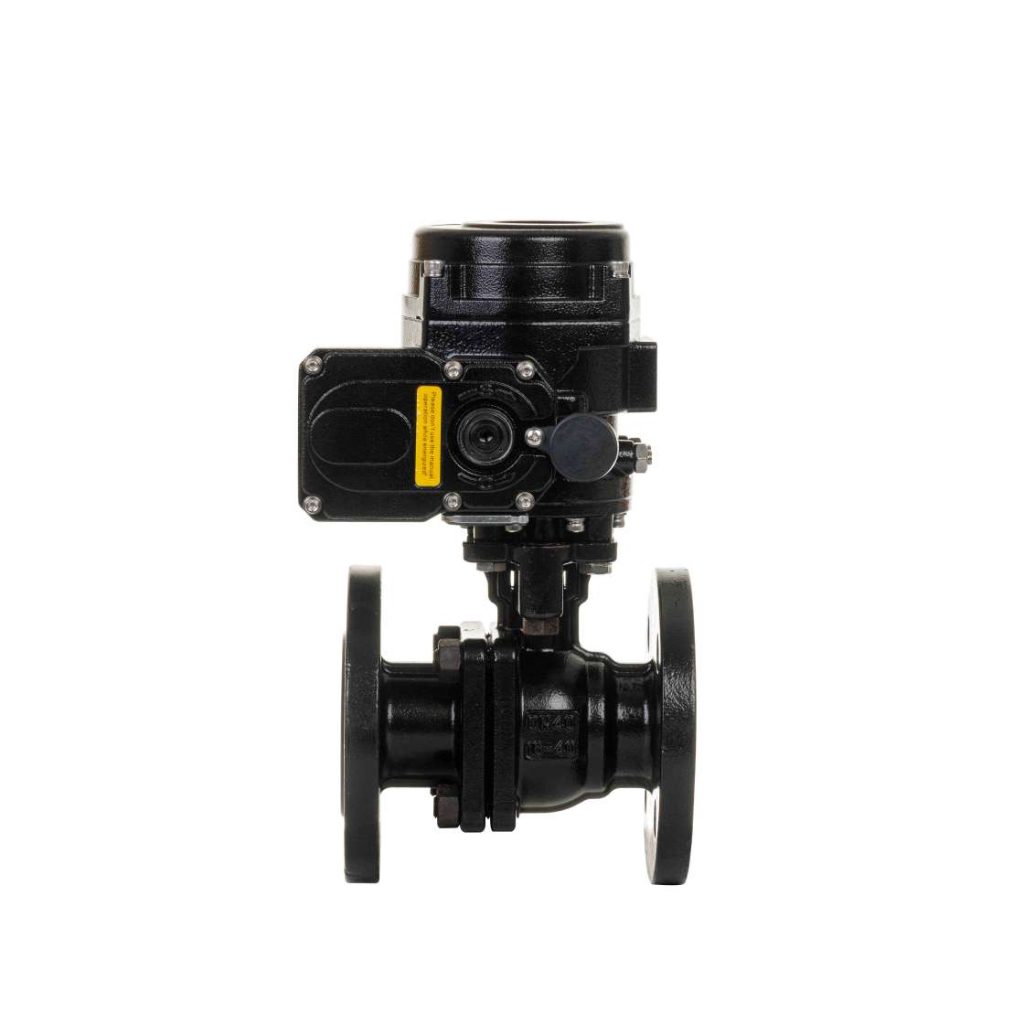
Design Features
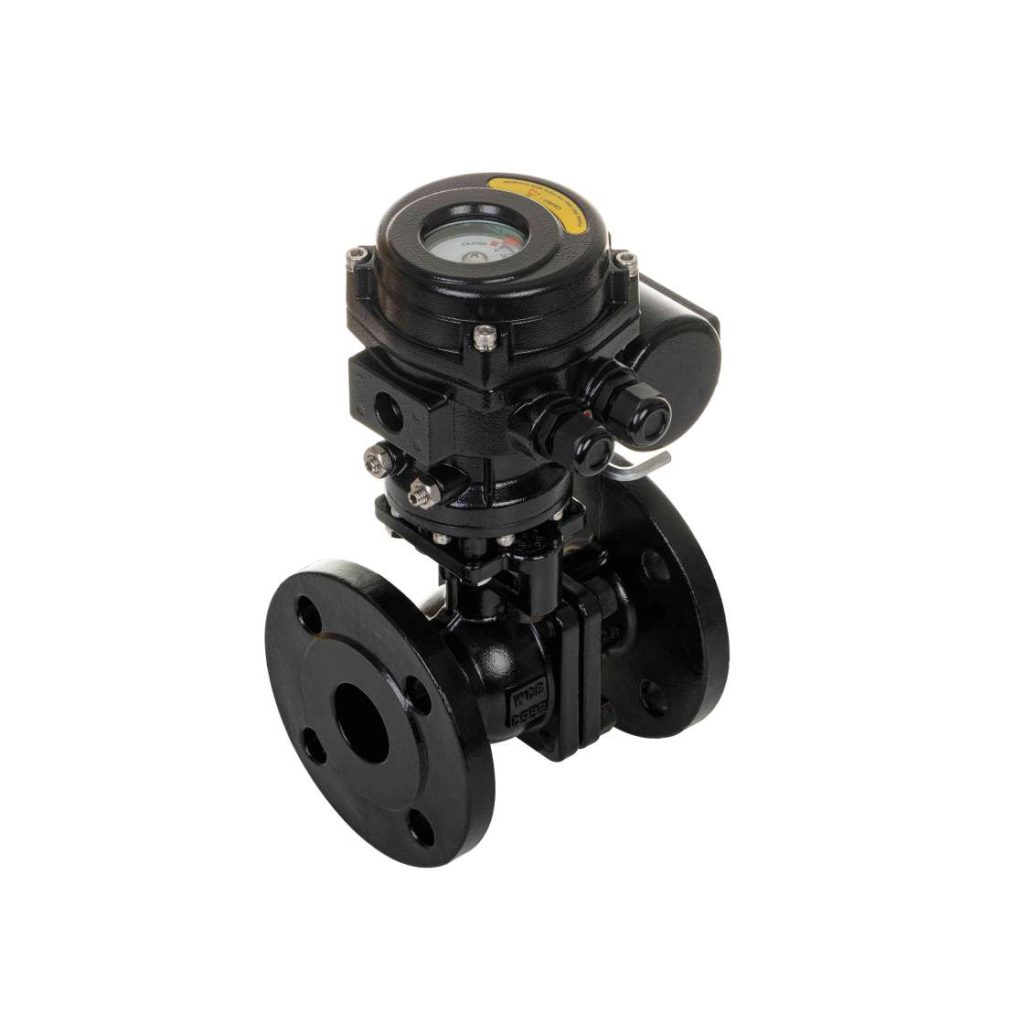
A Stainless Steel Electric Flange Ball Valve typically consists of a ball valve body made from high-quality stainless steel, ensuring excellent resistance to corrosion, high pressure, and high temperatures. The ball valve has a spherical closure element that rotates to control the flow of fluid through a pipeline. This valve is equipped with an electric actuator that operates the valve by sending electrical signals to open, close, or modulate the valve’s position. The actuator is powered either by AC or DC voltage, making it suitable for a wide range of applications. The valve also comes with flanged ends, which are designed for easy integration into piping systems. The flanges are bolted to the pipe ends, ensuring a secure and leak-proof connection. These flanged ball valves are widely preferred for high-pressure systems due to their ability to maintain a tight seal even under harsh conditions.