Hydrogen energy is rapidly emerging as a pivotal alternative to fossil fuels, with applications ranging from fuel cells to energy storage systems. One of the key components in hydrogen-based systems, particularly in fuel cell vehicles and industrial hydrogen applications, is the Hydrogen Energy Power Off Reset Valve. This valve plays an essential role in ensuring both safety and operational efficiency by regulating hydrogen flow, especially during power shutdowns or emergencies. In this article, we will explore the function, importance, and applications of the Hydrogen Energy Power Off Reset Valve, highlighting its critical role in hydrogen energy systems.
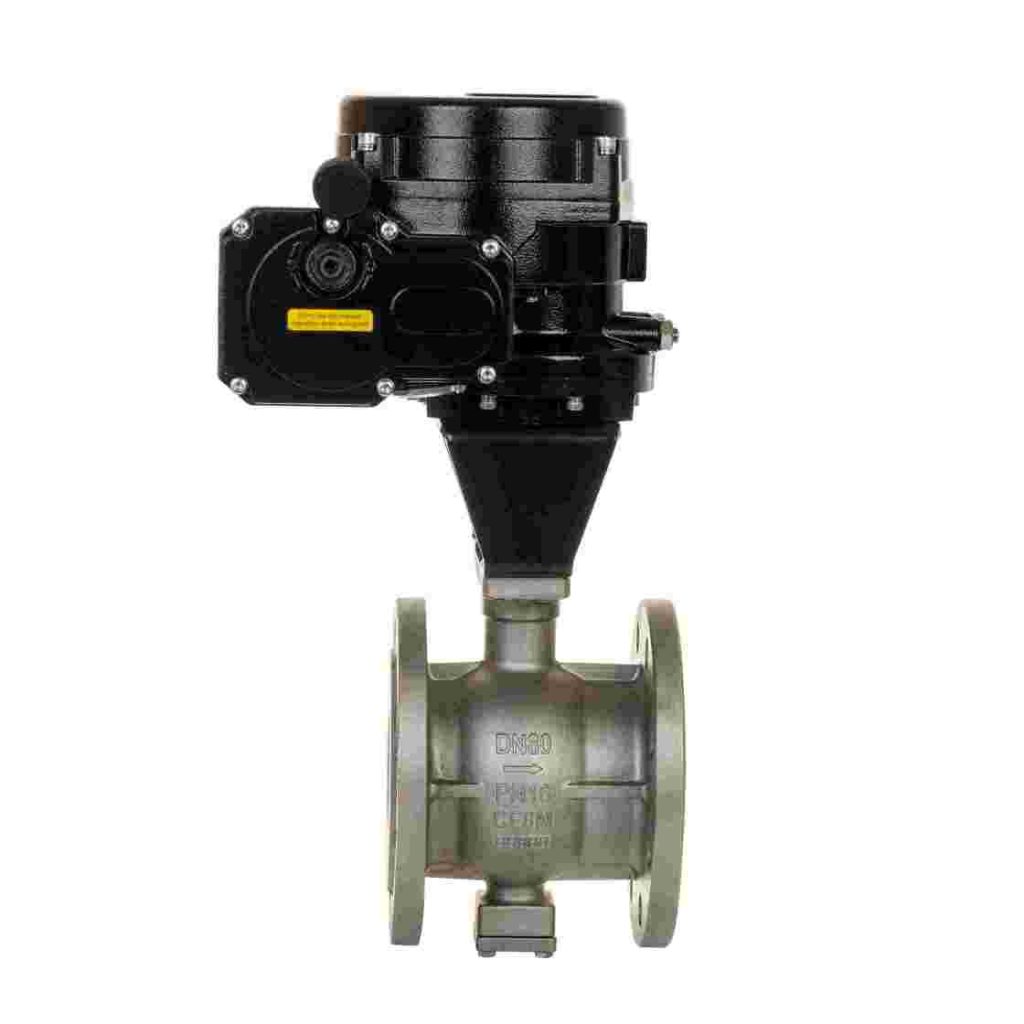
What is a Hydrogen Energy Power Off Reset Valve?
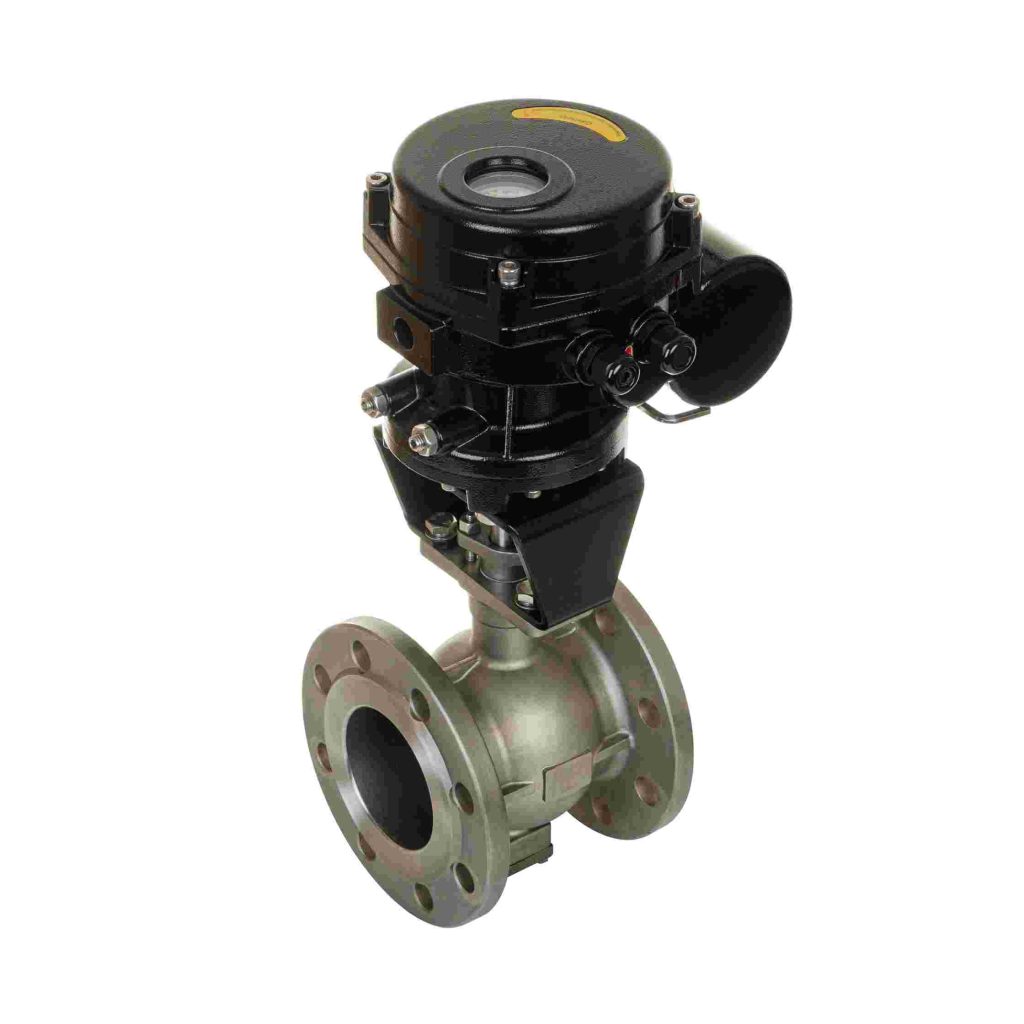
A Hydrogen Energy Power Off Reset Valve is a safety valve used in hydrogen systems to control the flow of hydrogen gas when power is turned off or during an emergency shutdown. The primary function of this valve is to stop or restrict hydrogen flow to prevent the potential risks associated with the release of pressurized hydrogen gas into the atmosphere. It is typically used in fuel cell vehicles, hydrogen storage systems, and industrial hydrogen applications, where safety is of utmost importance due to the flammability and explosiveness of hydrogen. How Does the Valve Work? The Hydrogen Energy Power Off Reset Valve operates in conjunction with various monitoring systems, such as pressure sensors, temperature sensors, and electronic control units. When the system detects an abnormal condition (e.g., loss of power, system malfunction, or emergency shutdown), the valve automatically activates to seal off the hydrogen flow. This helps mitigate the risk of hydrogen leakage, which can be hazardous due to its highly flammable nature.