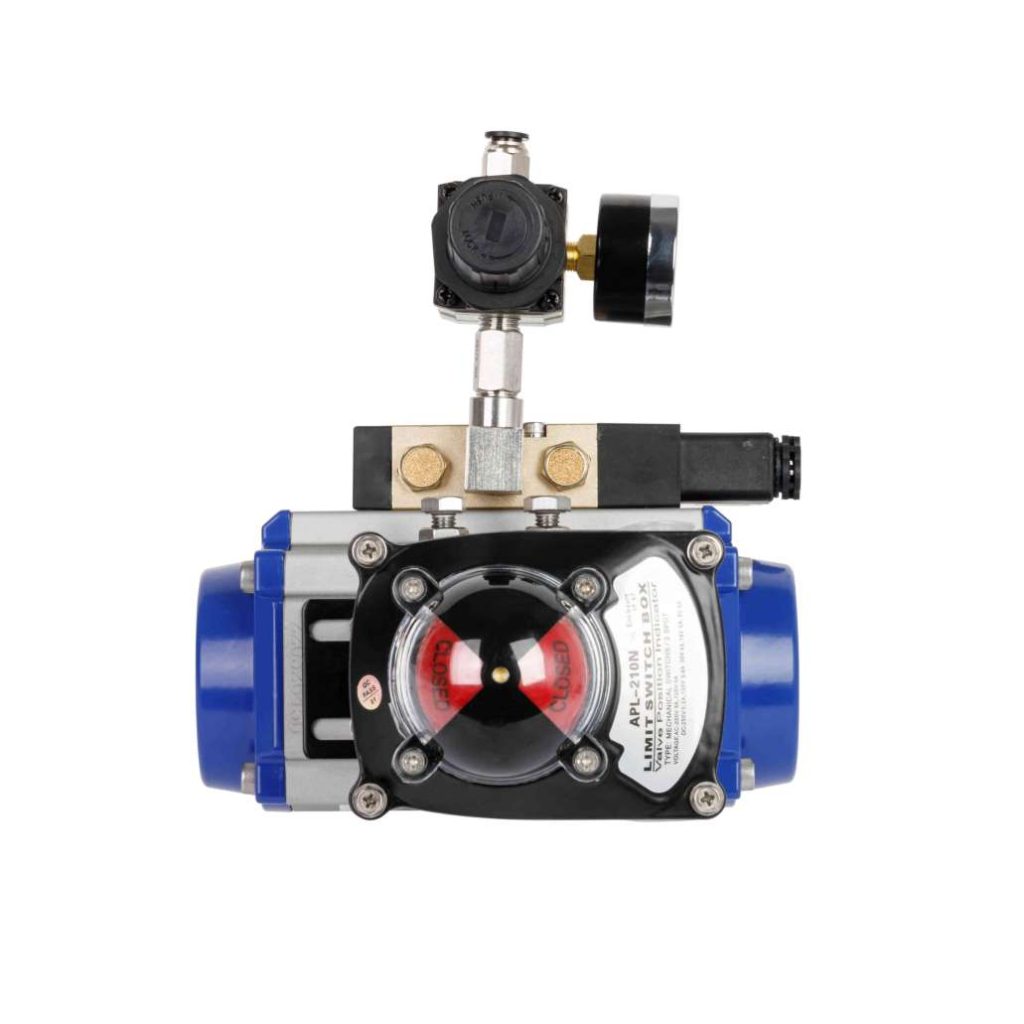
Pneumatic actuators are integral components in a wide variety of industrial applications, offering precise control and rapid actuation by harnessing the power of compressed air. These actuators are used in everything from assembly lines to robotics, and they offer several key advantages over other types of actuators, including speed, reliability, and simplicity. In this article, we will explore the fundamentals of pneumatic actuators, their types, applications, and the benefits they bring to the industrial world.
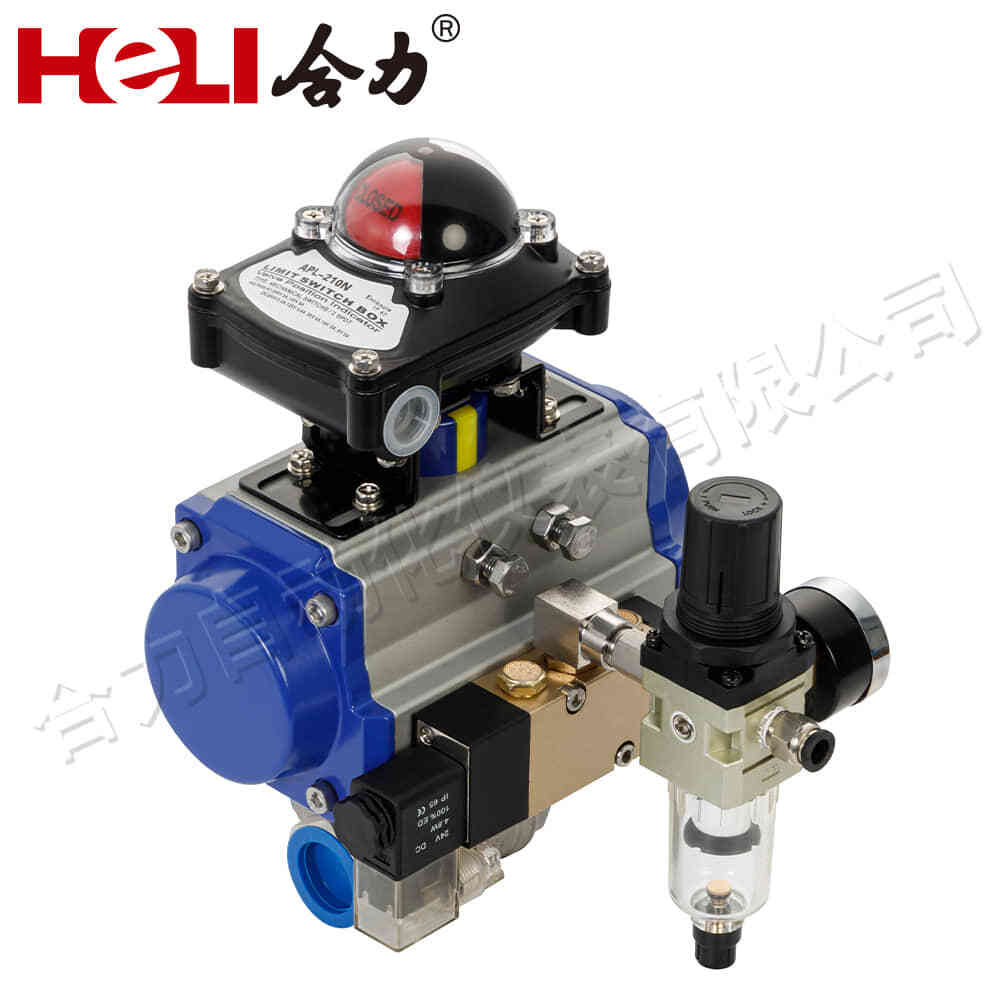
What is a Pneumatic Actuator?
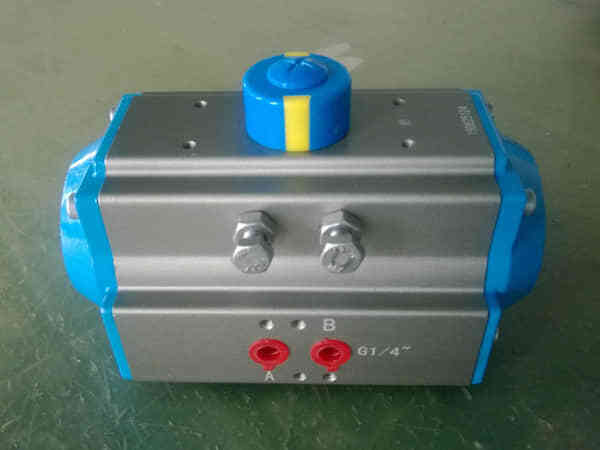
A pneumatic actuator is a device that converts compressed air into mechanical motion. The core principle behind pneumatic actuators is straightforward: when compressed air is introduced into a cylinder, it pushes a piston or diaphragm, causing movement. This movement can be either linear or rotary, depending on the design of the actuator. Pneumatic actuators are widely used because of their simplicity, cost-effectiveness, and the ease with which they can be integrated into automated systems. Types of Pneumatic Actuators There are two primary types of pneumatic actuators: linear actuators and rotary actuators.