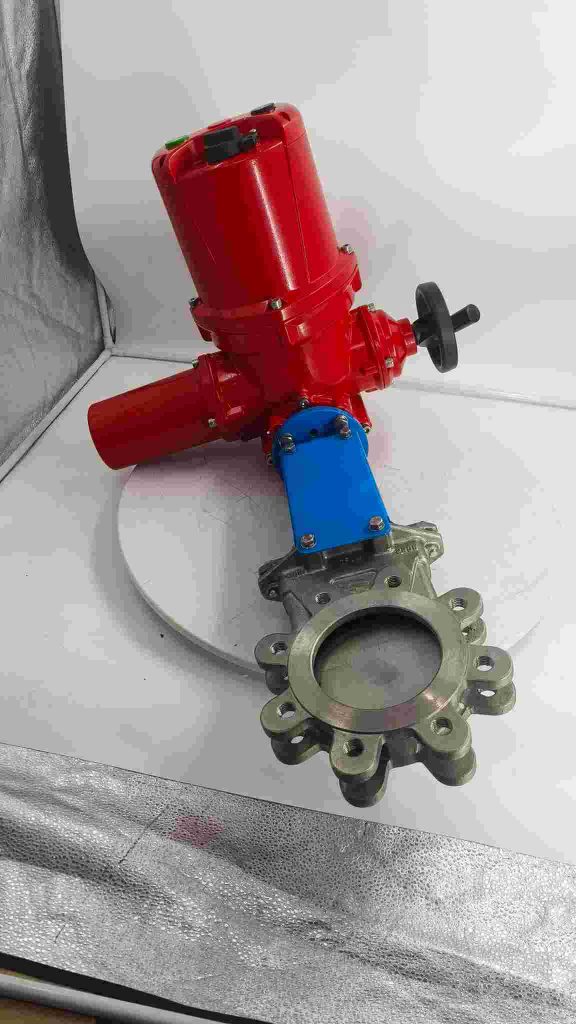
The Stainless Steel Electric Gate Valve plays a vital role in industrial fluid control systems, providing efficient regulation of liquid and gas flows in various applications. Constructed from high-quality stainless steel, these valves offer exceptional durability and corrosion resistance, making them indispensable in industries such as petrochemical, water treatment, and food processing. As automation continues to shape modern manufacturing processes, electric gate valves have gained significant popularity due to their ease of operation and integration into automated systems. In this article, we will explore the features, applications, and benefits of stainless steel electric gate valves, highlighting their importance in modern industrial environments.
What is a Stainless Steel Electric Gate Valve?
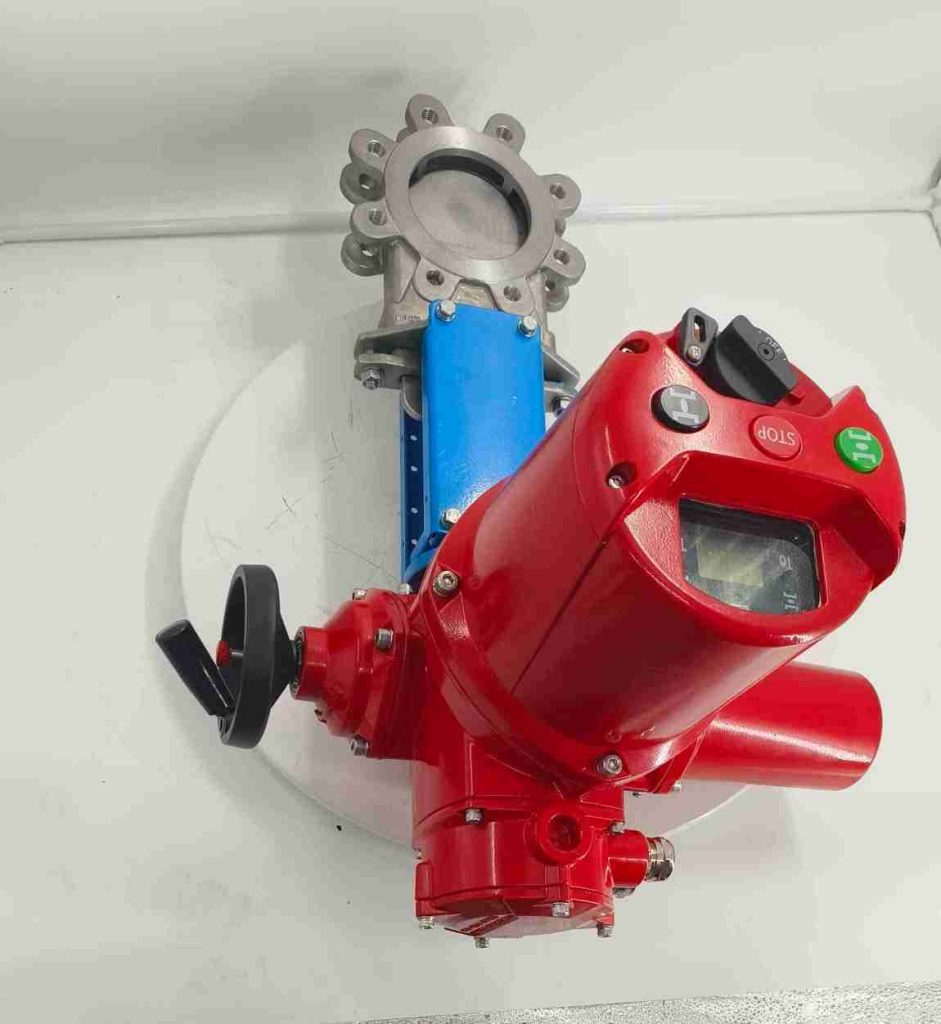
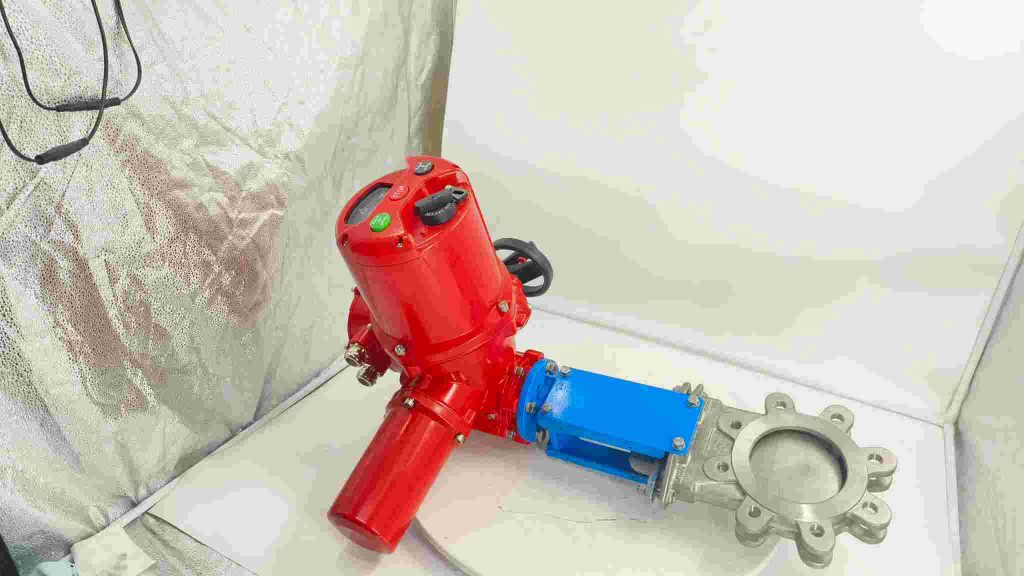
A stainless steel electric gate valve is a type of valve that uses an electric actuator to open or close the gate within the valve body. Unlike other valve types, the gate valve operates by raising or lowering a gate or wedge to control the flow of the medium through the pipeline. This type of valve is most commonly used in applications where a tight shut-off is required, and it is preferred over other valve types like ball or globe valves because of its minimal resistance to flow when fully open. The stainless steel construction of the valve ensures resistance to corrosion, high temperatures, and general wear and tear, making it ideal for use in harsh environments. The electric actuator is responsible for operating the valve remotely, offering the advantage of precise control, minimal human intervention, and the ability to be integrated into automated systems for enhanced process management.