The Explosion-proof Electric Single Seat Regulating Valve is a critical component used in various industrial applications where safety and precision are paramount, particularly in hazardous environments. These valves are designed to regulate fluid flow efficiently while preventing potential risks associated with explosive atmospheres, making them indispensable in industries like oil, gas, chemical, and pharmaceuticals. This article delves into the design, features, working principles, applications, and safety standards associated with explosion-proof electric single seat regulating valves.
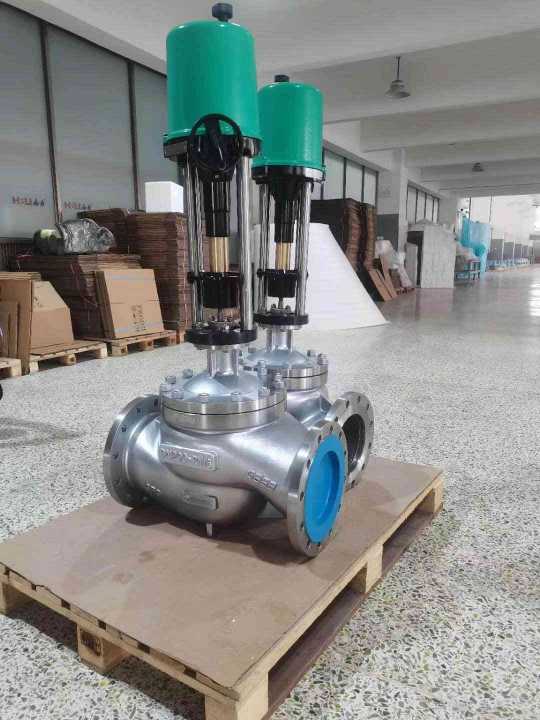
Design and Structure The explosion-proof electric single seat regulating valve is designed with both safety and functionality in mind. The valve typically consists of a valve body, an electric actuator, a single seat, and a sealing mechanism. The single seat design allows for precise control of fluid flow through the valve. The key feature of this valve is its explosion-proof casing. This casing is built to withstand external explosive forces, preventing any internal electrical components from sparking or triggering a fire or explosion. The valve’s housing is often made from materials that can endure harsh environmental conditions such as high temperatures, humidity, and mechanical stresses.