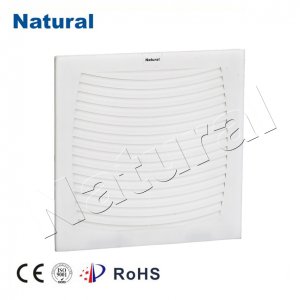
In today’s fast-paced technological world, the reliability and longevity of electronic equipment have become a top priority for manufacturers and users alike. The growing demand for efficient and well-maintained systems has led to the development of various cooling and filtration methods, one of which is the enclosure fan filter. These filters, designed to work in conjunction with cooling fans, help to keep the internal components of electronic enclosures clean and well-maintained, ensuring optimal performance and extending the lifespan of the equipment. This article will explore the significance of enclosure fan filters, their working principles, benefits, and how they contribute to the overall performance of electronic systems.
What is an Enclosure Fan Filter?
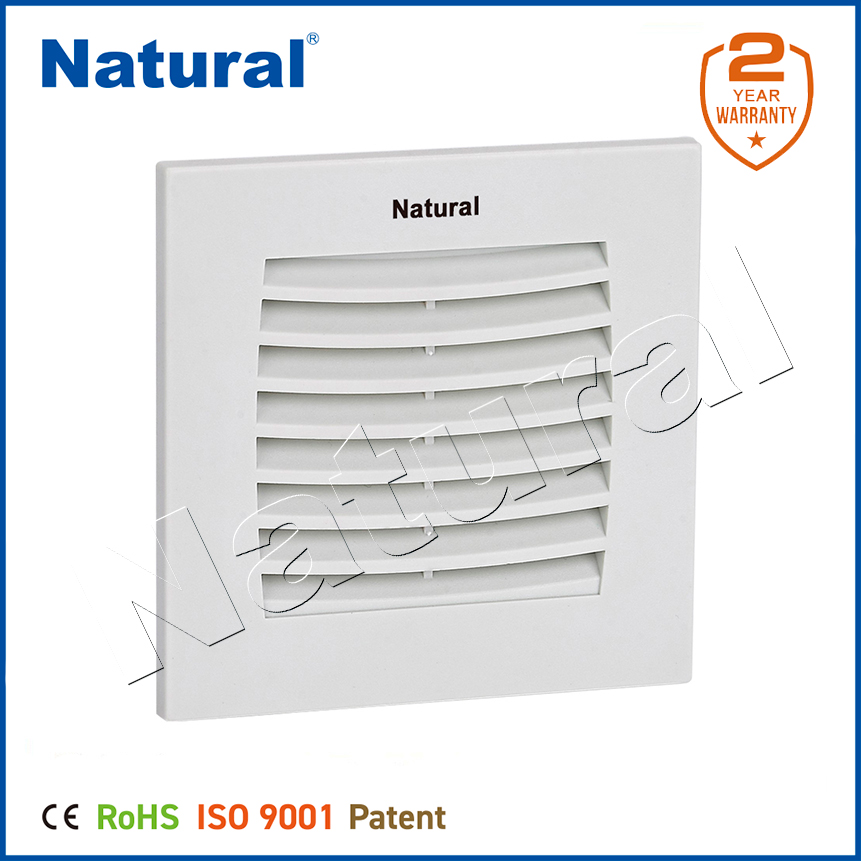
An enclosure fan filter is a filtration system installed on the intake or exhaust vents of electronic enclosures, usually in conjunction with cooling fans. The filter serves a dual purpose: it prevents dust, dirt, and other particulate matter from entering the enclosure while allowing air to flow freely to maintain temperature regulation. This cooling process is crucial for the efficient operation of electronic equipment, as it helps to prevent overheating, which can cause system failures and reduced performance. Enclosure fan filters come in a variety of types and sizes, with materials ranging from foam and fiberglass to more advanced materials such as HEPA (High-Efficiency Particulate Air) filters. The choice of filter material depends on the environment in which the equipment operates and the level of protection required.