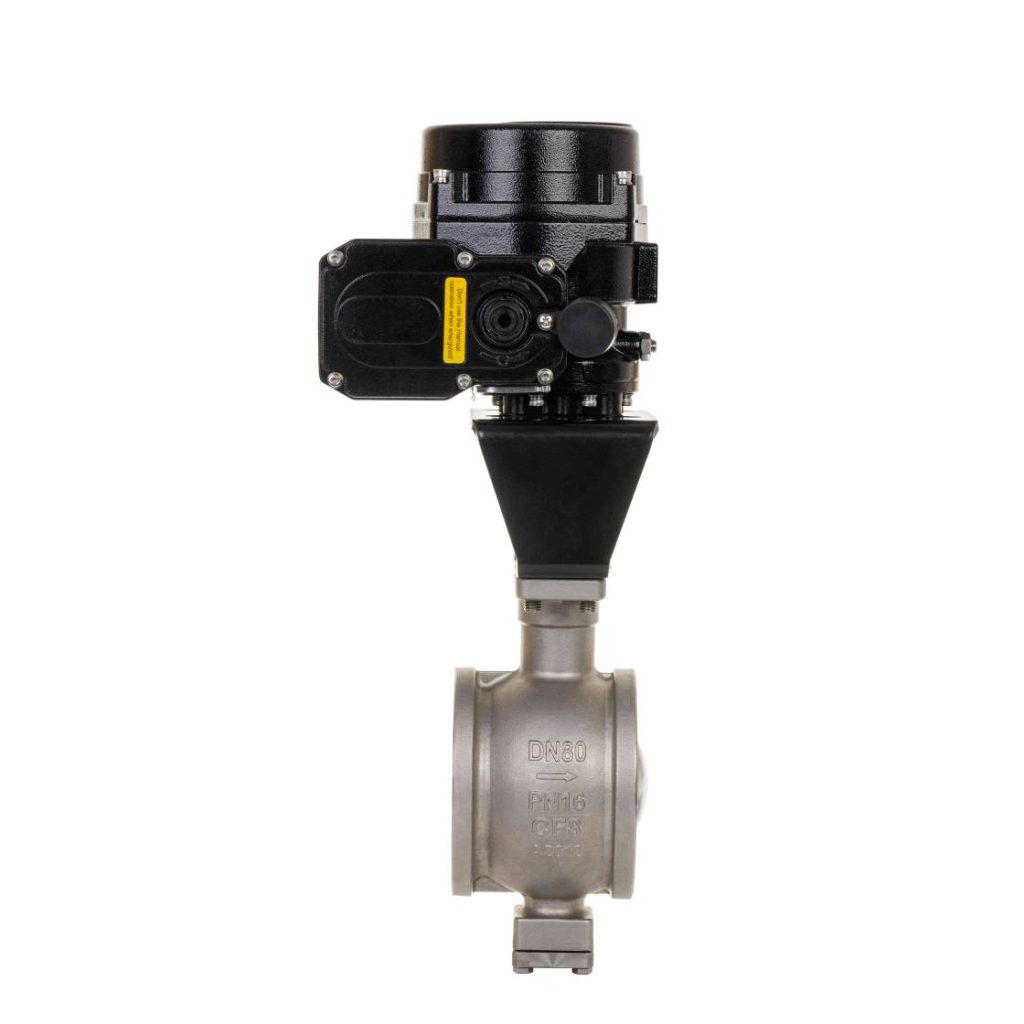
The growing need for efficient and reliable control systems in industrial applications has led to the widespread use of electric V-ball valves. As a key component in automated flow control systems, electric V-ball valves are designed to regulate the flow of various fluids and gases in a precise manner. These valves are an essential part of many industries, including chemical processing, water treatment, power generation, and oil and gas. In this article, we will explore the role of electric V-ball valve manufacturers and the importance of their products in modern industrial systems.
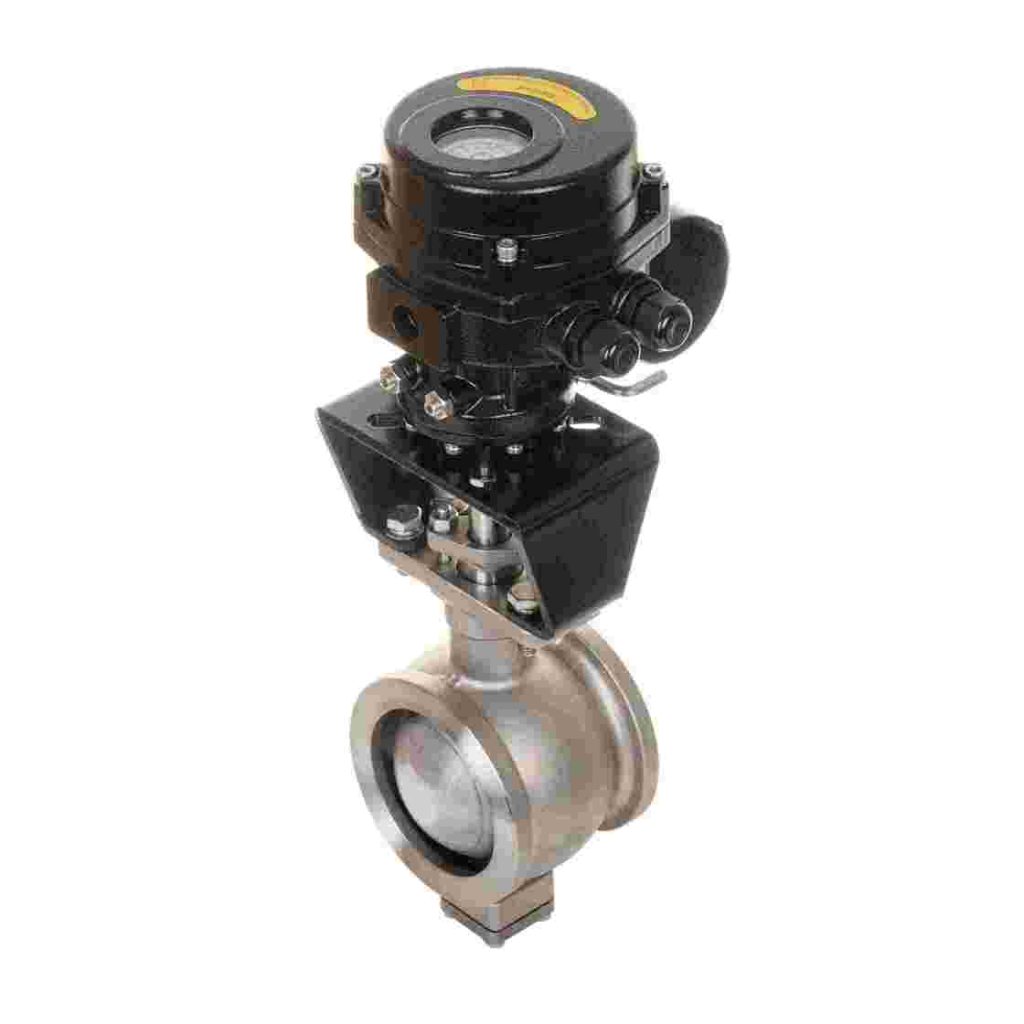
What is an Electric V-ball Valve?
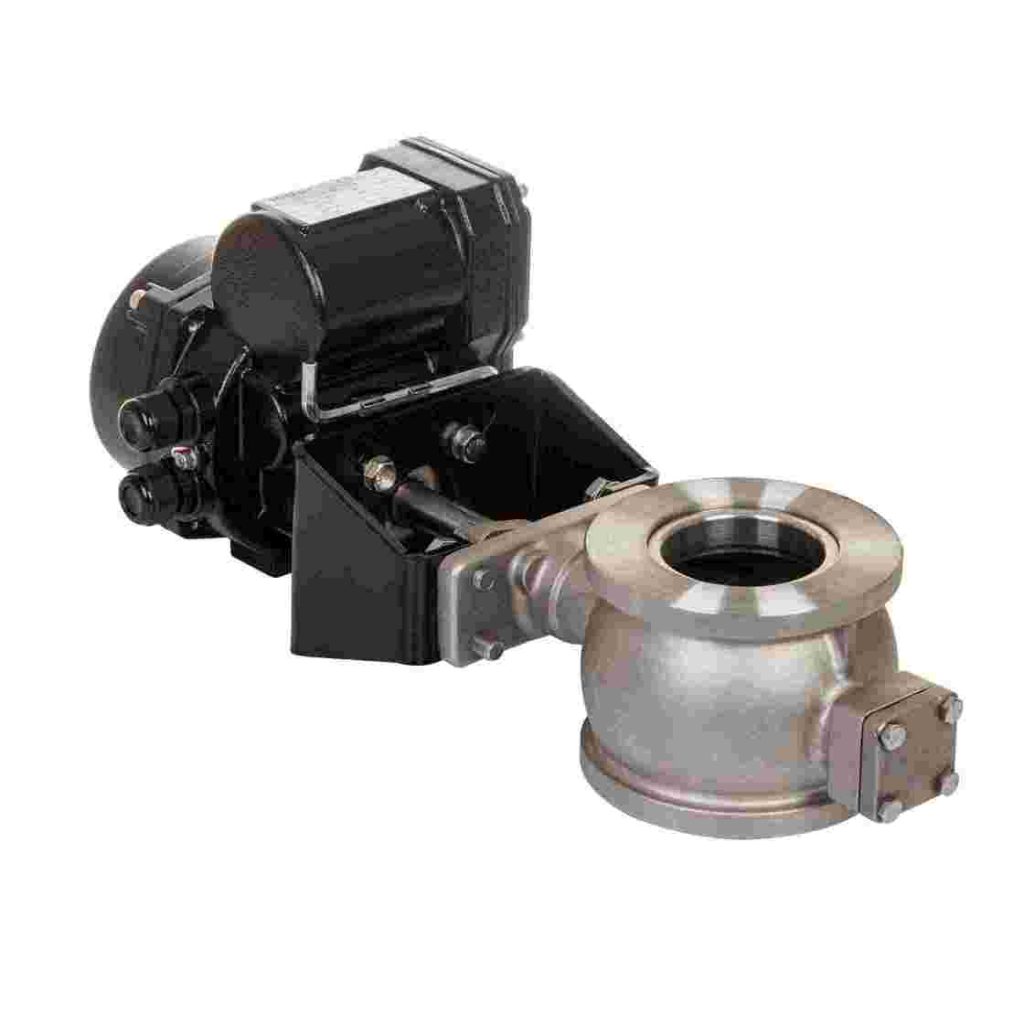
An electric V-ball valve is a type of control valve that combines a “V” shaped ball with an electric actuator to regulate the flow of liquids or gases through a pipeline. The “V” shaped opening in the ball allows for more accurate flow control compared to traditional ball valves, which is particularly useful when precise adjustments are necessary. The valve is operated by an electric actuator, which receives signals from a control system or operator to adjust the valve’s position. This makes the electric V-ball valve highly suitable for automated and remote-controlled processes. Key Features of Electric V-ball Valves