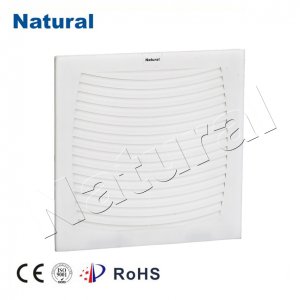
Enclosure fan filters are critical components in the maintenance and performance of various industrial, IT, and electronic systems. These filters play a pivotal role in preventing the infiltration of dust, debris, and other environmental pollutants into sensitive equipment. As systems grow increasingly complex and sensitive, the role of enclosure fan filters becomes ever more crucial. This article will explore the function, benefits, and applications of enclosure fan filters, emphasizing their importance in protecting equipment and ensuring operational efficiency.
What is an Enclosure Fan Filter?
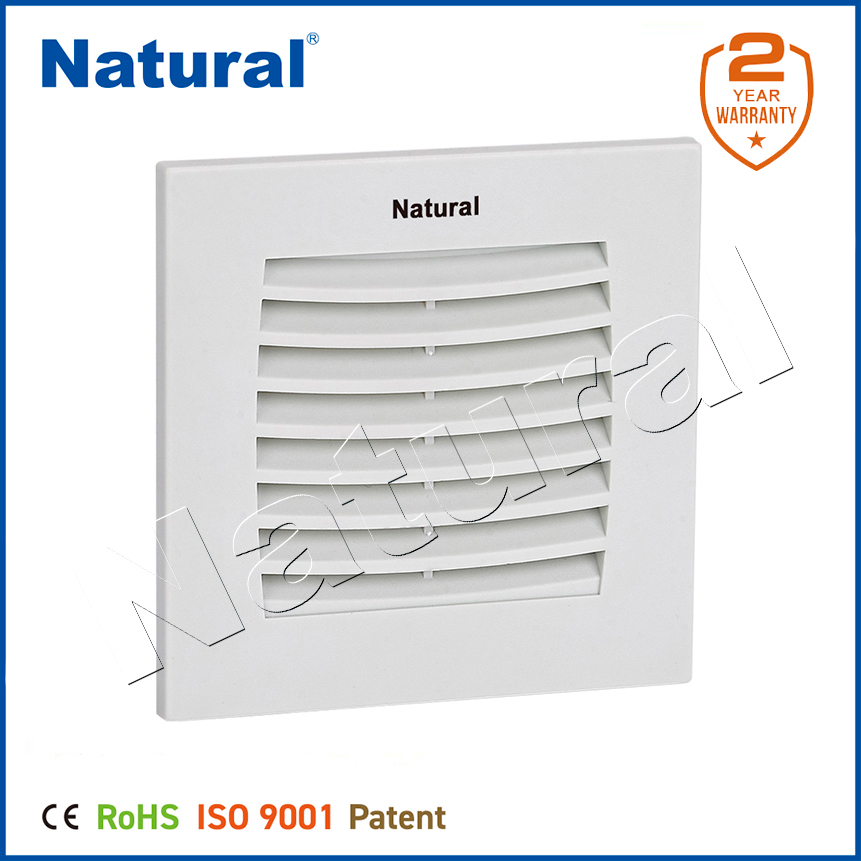
An enclosure fan filter is a filtration system that attaches to the intake or exhaust fans of an enclosure, such as a server rack, industrial cabinet, or any other type of sealed electronic or electrical housing. It is designed to capture and remove dust particles, dirt, and other contaminants from the air before they enter the enclosure. The fan filter typically consists of a frame, a filter media (such as polyester, nylon, or mesh), and a fan that pulls air through the filter, preventing pollutants from entering the sensitive internal components. These filters are often used in environments where electronic devices are housed in enclosures, and cooling is achieved via air circulation. Without effective filtration, the air circulating inside the enclosure may carry dust and other contaminants that can cause overheating, corrosion, or failure of delicate electronic parts.