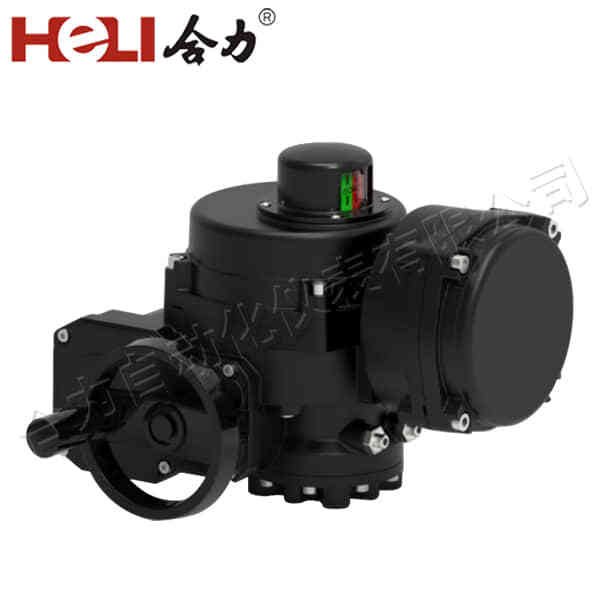
Electric actuators are a cornerstone of modern automation systems, playing an essential role in a wide range of applications, from industrial processes to everyday appliances. These devices are responsible for converting electrical energy into mechanical motion, and they are widely used in systems that require precise control over motion, such as in robotics, HVAC systems, manufacturing, and aerospace. In this article, we will delve into the functionality, types, applications, and advantages of electric actuators, highlighting their importance in the evolution of automation technology.
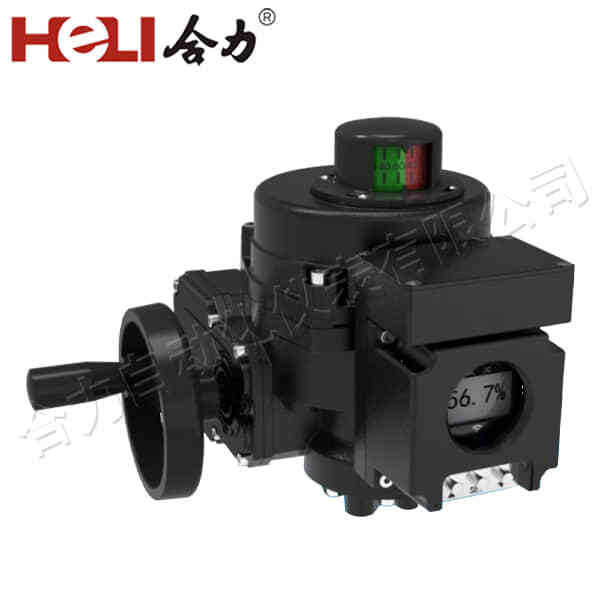
What is an Electric Actuator?
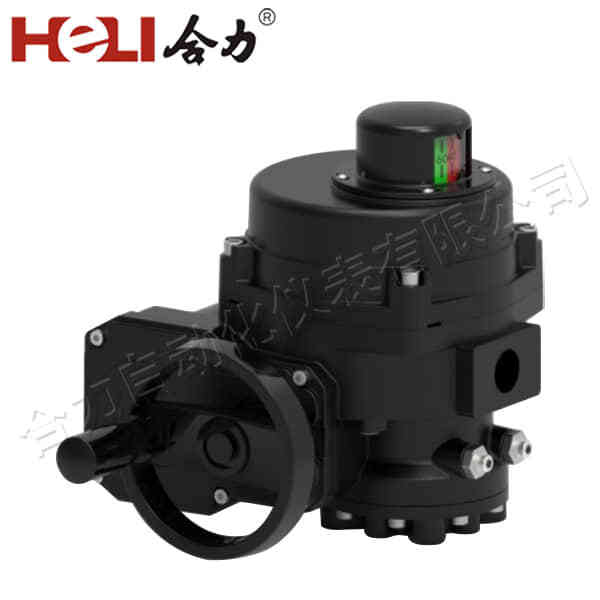
At its core, an electric actuator is a device that utilizes an electric motor to produce mechanical movement. This movement can be either linear (back-and-forth) or rotary (circular), depending on the design and intended function of the actuator. The electric motor within the actuator receives electrical energy, which is then converted into motion by mechanical components such as gears, screws, or belts. The basic operation of an electric actuator involves several key components: Electric Motor: The heart of the actuator, responsible for converting electrical energy into mechanical power.