Lithium-ion batteries are widely used in many consumer electronics, electric vehicles, and renewable energy systems due to their high energy density and long lifespan. However, despite their numerous advantages, these batteries can pose safety risks under certain conditions, such as overcharging, overheating, or internal short circuits. In response to these concerns, safety mechanisms are integrated into battery designs to mitigate potential hazards. One such mechanism is the WCB Lithium battery valve, a crucial component designed to enhance the safety and reliability of lithium-ion batteries.
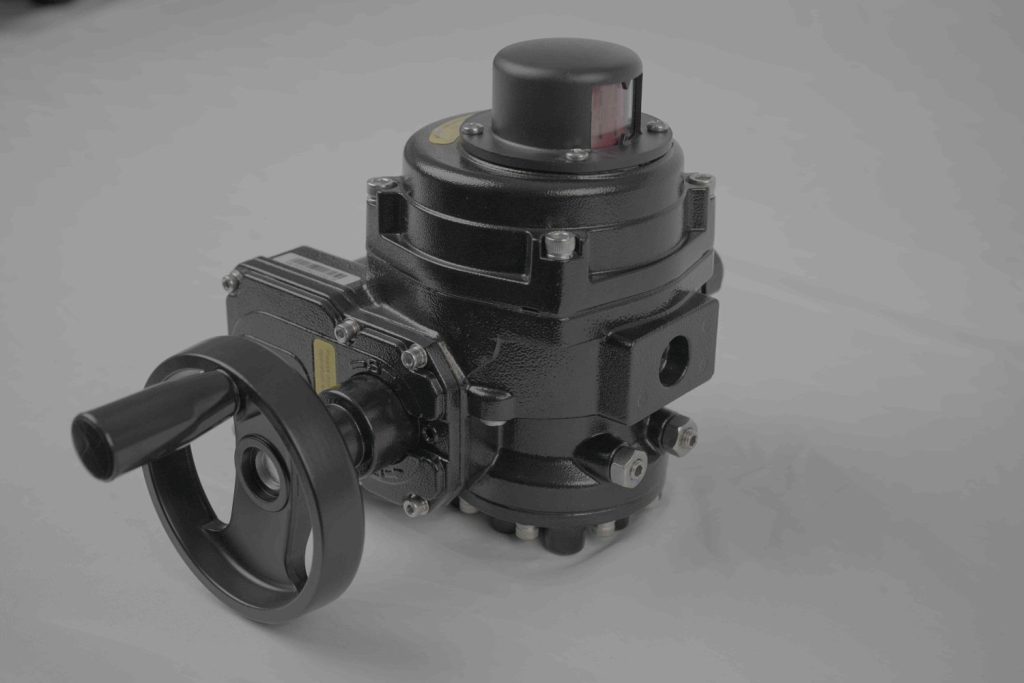
What is the WCB Lithium Battery Valve? The WCB Lithium battery valve is a specialized safety valve integrated into the design of lithium-ion batteries. Its primary function is to regulate internal pressure within the battery by venting gases safely when the internal pressure exceeds a certain threshold. This feature is particularly important in preventing battery rupture or explosion, which could result from thermal runaway or the accumulation of gases produced during faulty battery operations. The Role of Safety Valves in Lithium Batteries Lithium-ion batteries, particularly those used in high-capacity applications like electric vehicles or large-scale energy storage systems, are susceptible to internal pressure buildup. This buildup can occur for several reasons, such as electrolyte decomposition, overcharging, or external damage. Without proper venting, the internal pressure can cause the battery casing to rupture, potentially leading to fire or explosion.