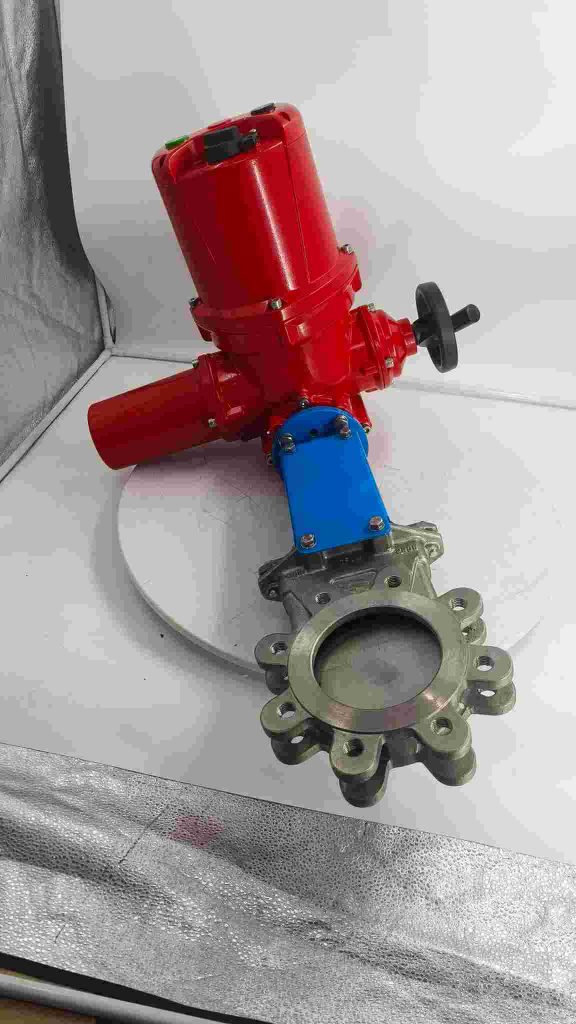
The WCB Electric Gate Valve is a crucial component in a variety of industrial applications where the control of fluid or gas flow is necessary. Known for its robust construction, precise control, and efficient performance, this type of valve has gained significant traction in industries such as oil and gas, power generation, chemical manufacturing, and water treatment. This article provides a comprehensive overview of the WCB Electric Gate Valve, including its construction, working principle, applications, and advantages.
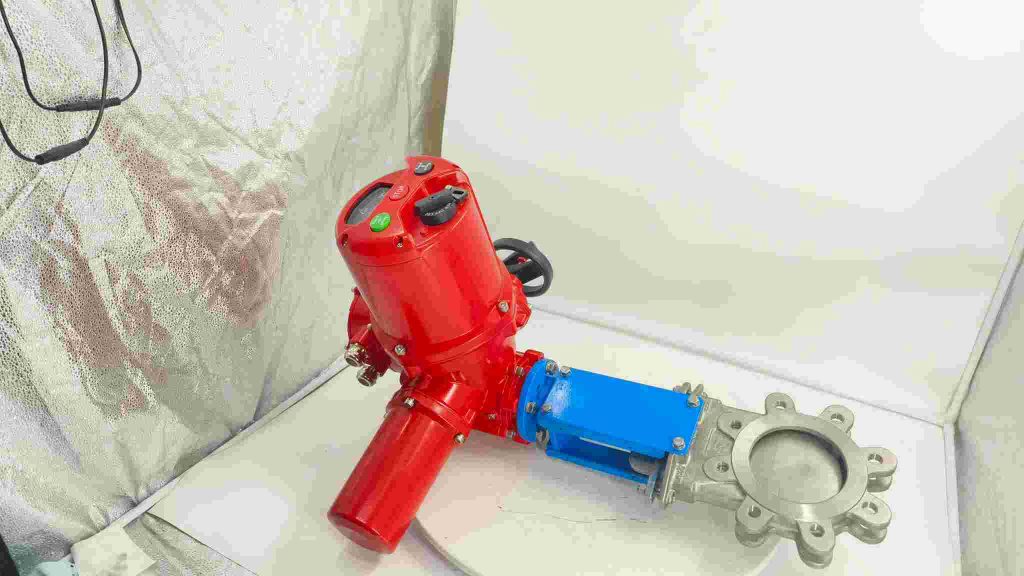
What is a WCB Electric Gate Valve?
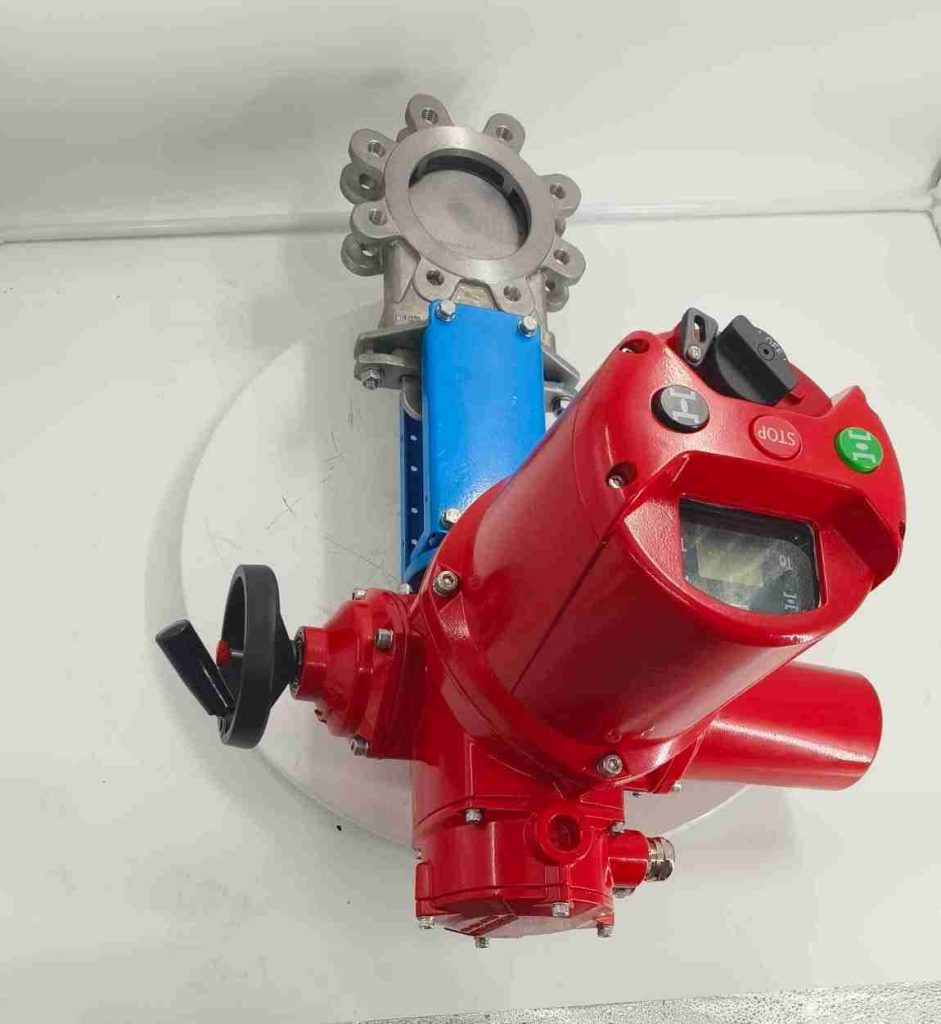
The WCB Electric Gate Valve combines two essential elements: the gate valve design and an electric actuator. The term “WCB” refers to the material used for the valve body—WCB stands for Wrought Carbon Steel, a commonly used material in industrial valves due to its durability, resistance to wear, and good weldability. The gate valve itself is designed for on/off service, allowing or blocking the flow of fluids through a pipeline when the valve is either fully open or fully closed. In the WCB Electric Gate Valve, the manual operation is replaced by an electric actuator, which automates the valve’s opening and closing. The actuator is typically controlled remotely, which is a significant advantage in applications where the valve is located in hard-to-reach areas or where remote monitoring and operation are required.