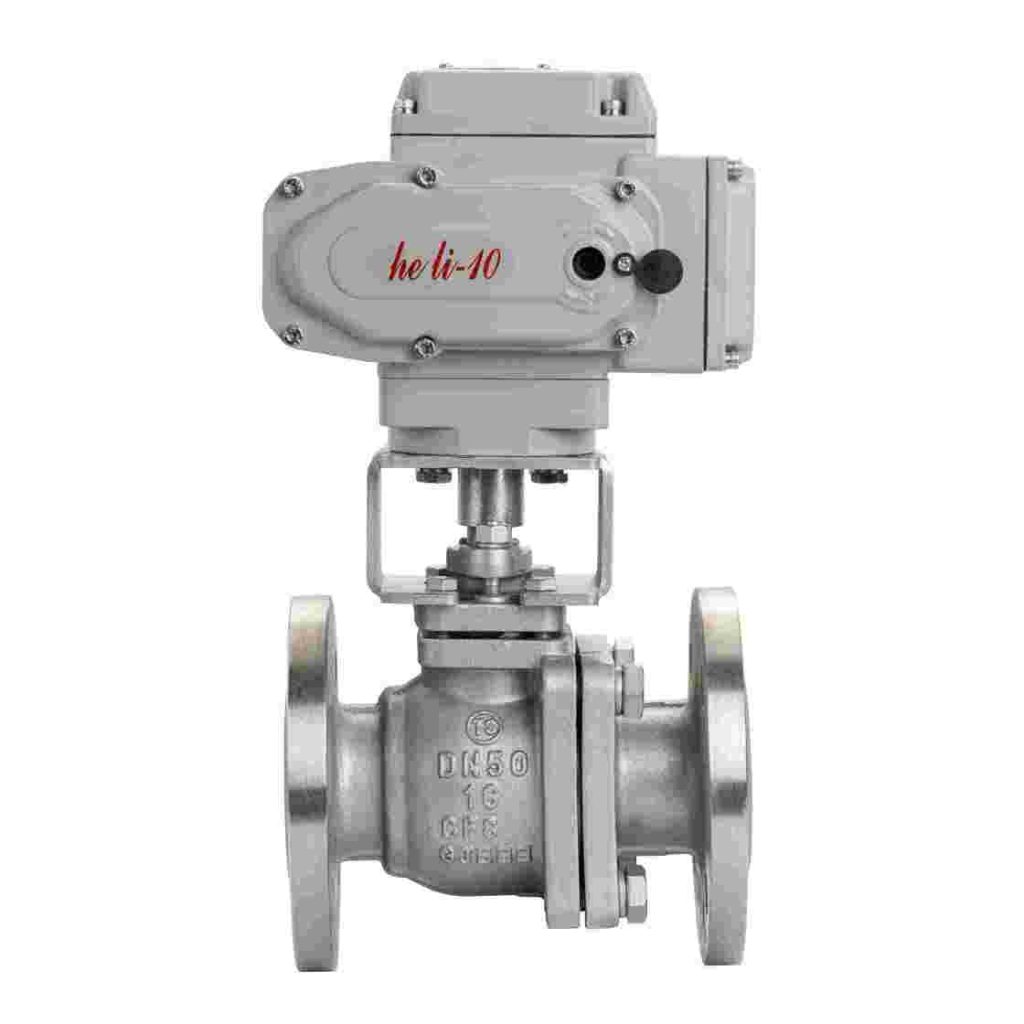
As the quest for sustainable energy sources intensifies, hydrogen emerges as a promising contender. This clean fuel has the potential to significantly reduce greenhouse gas emissions and propel us towards a greener future. However, the successful implementation of hydrogen technology requires highly reliable and specialized equipment. One such critical component is the Hydrogen Energy Electric Anti-Corrosion Ball Valve. This article explores the functional significance, advantages, and future prospects of these innovative valves in the hydrogen sector.
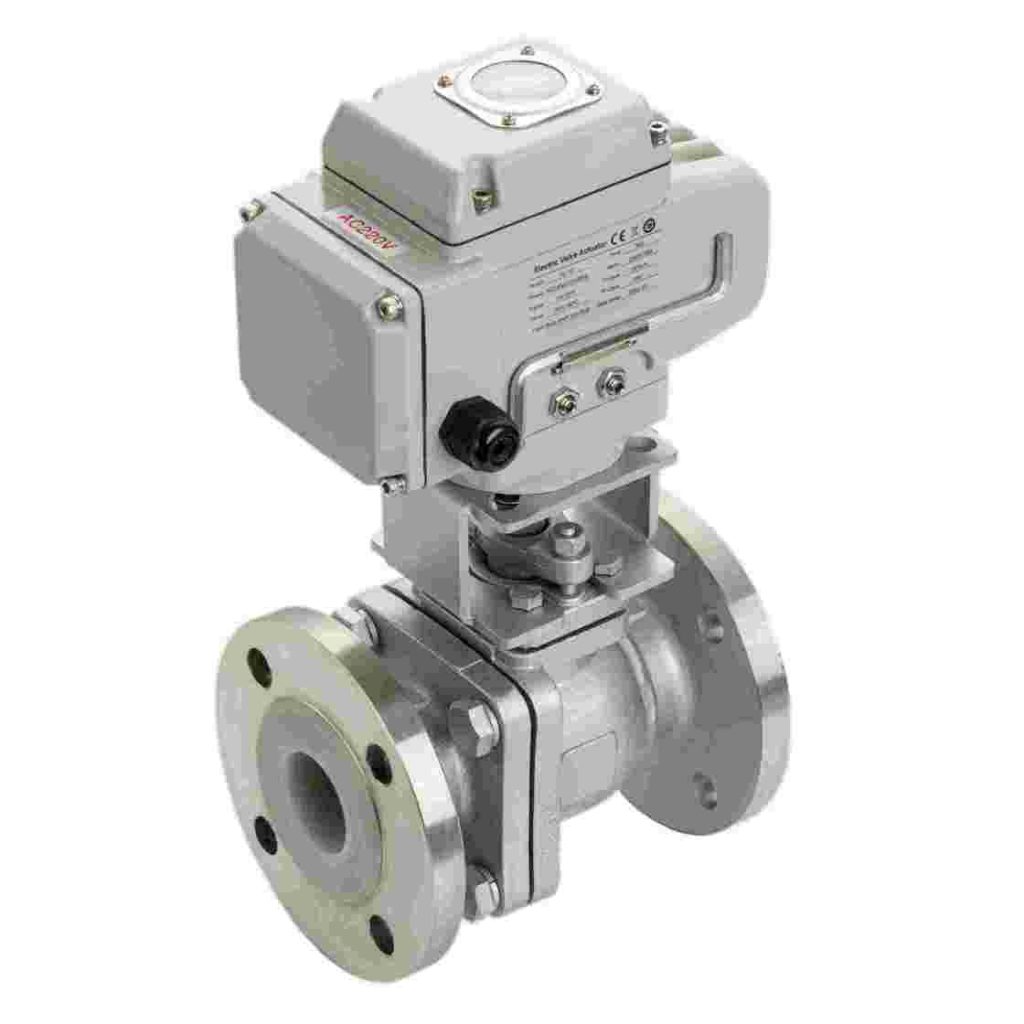
Understanding the Ball Valve
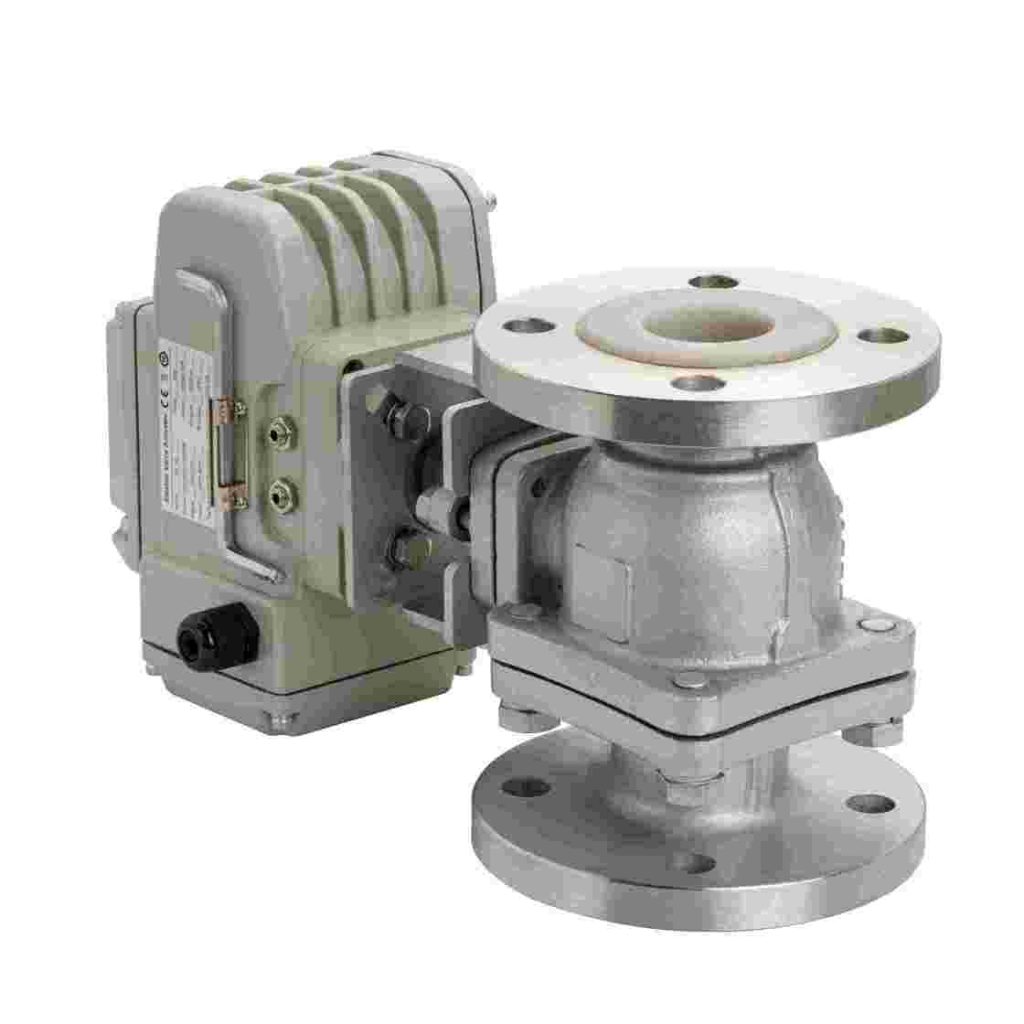
Ball valves are a type of quarter-turn valve that uses a hollow, perforated, and pivoting ball to control fluid flow. When the valve’s handle is turned, the ball rotates, allowing the fluid to either flow through or be blocked. This simplicity of operation is accompanied by several benefits, including minimal pressure drop, durability, and the ability to create a tight seal. However, when it comes to handling hydrogen, additional considerations are necessary due to the gas’s unique properties. Why Electric Actuation? The integration of electric actuation into ball valves enhances their operational efficiency, especially in systems dealing with hydrogen. Electric actuators provide precise control and remote operation capabilities, making them ideal for automated systems. This allows for swift adjustments in response to changing conditions, improving the overall responsiveness of fluid handling systems. Moreover, electric actuators eliminate the need for pneumatic or hydraulic systems, which can introduce complications associated with gas or fluid storage.