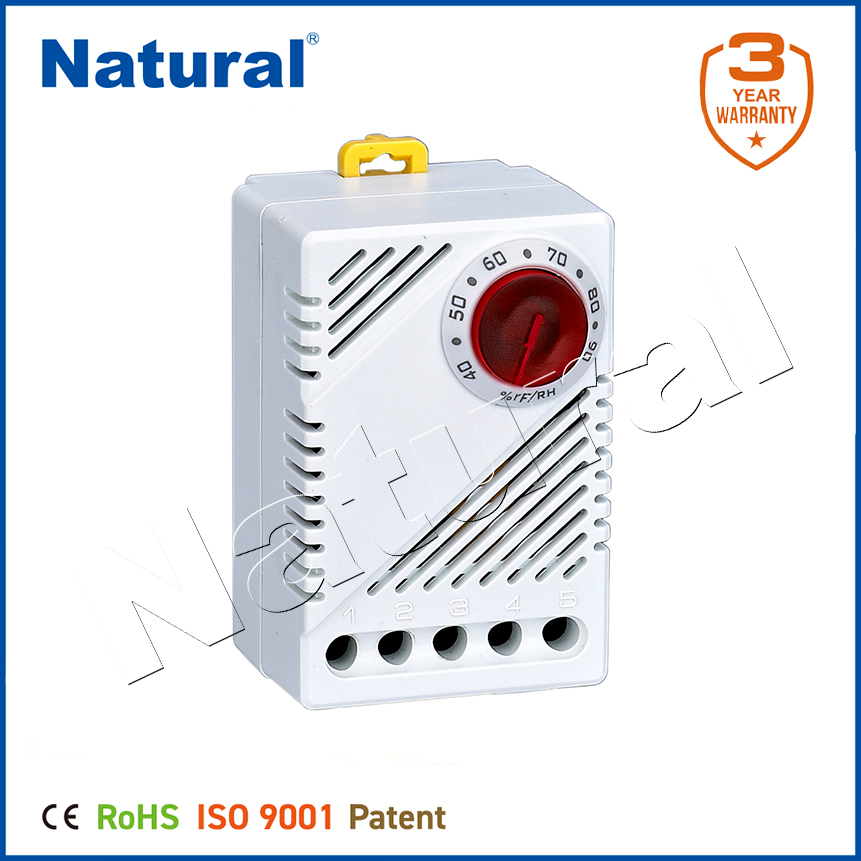
An Electronic Hygrostat is a device designed to automatically regulate and control the humidity level within a specific environment. Operating much like a thermostat, which controls temperature, the Electronic Hygrostat ensures that the humidity stays within a desired range, making it an essential tool in various sectors such as agriculture, manufacturing, research, and even in everyday applications like homes or offices. This article aims to explain the working principles, features, benefits, and diverse applications of Electronic Hygrostats.
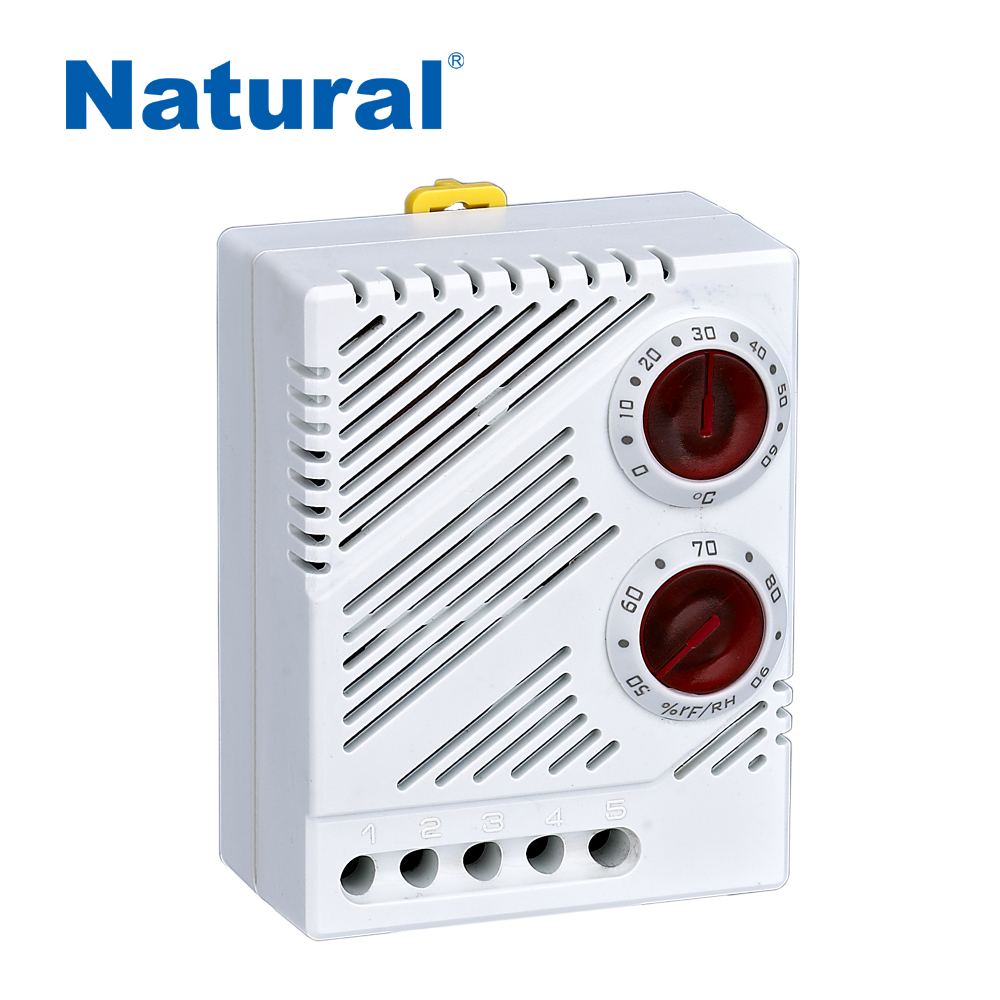
What is an Electronic Hygrostat?
At its core, an Electronic Hygrostat is a device that monitors and controls the humidity of a space through a sensor that detects the relative humidity (RH) in the air. It is typically used in conjunction with humidifiers or dehumidifiers to adjust the moisture levels in a room, keeping them within a predefined range. By maintaining consistent humidity, the Electronic Hygrostat contributes to the preservation of products, people’s health, and the optimal performance of equipment in environments where precise humidity control is crucial. Working Principle of an Electronic Hygrostat The Electronic Hygrostat operates using a simple feedback system. The device is equipped with a humidity sensor that constantly monitors the current moisture levels in the air. When the humidity level deviates from the set target, the device activates the corresponding control mechanism.