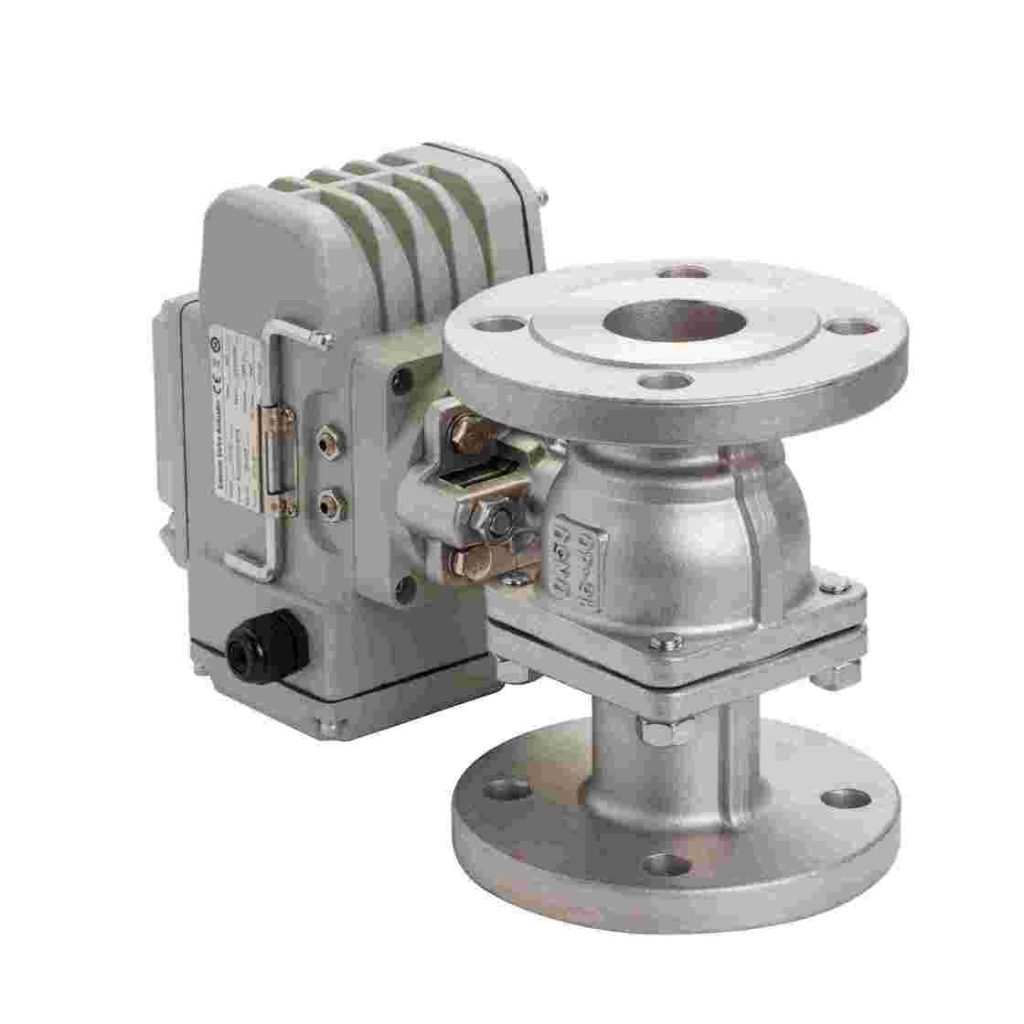
Electric stainless steel flange ball valves are essential components in modern industrial applications, playing a crucial role in controlling the flow of fluids in piping systems. These valves combine the benefits of stainless steel’s durability and corrosion resistance with the automation capabilities provided by electric actuators. This article delves into the features, applications, advantages, and considerations associated with electric stainless steel flange ball valves.
What is an Electric Stainless Steel Flange Ball Valve?
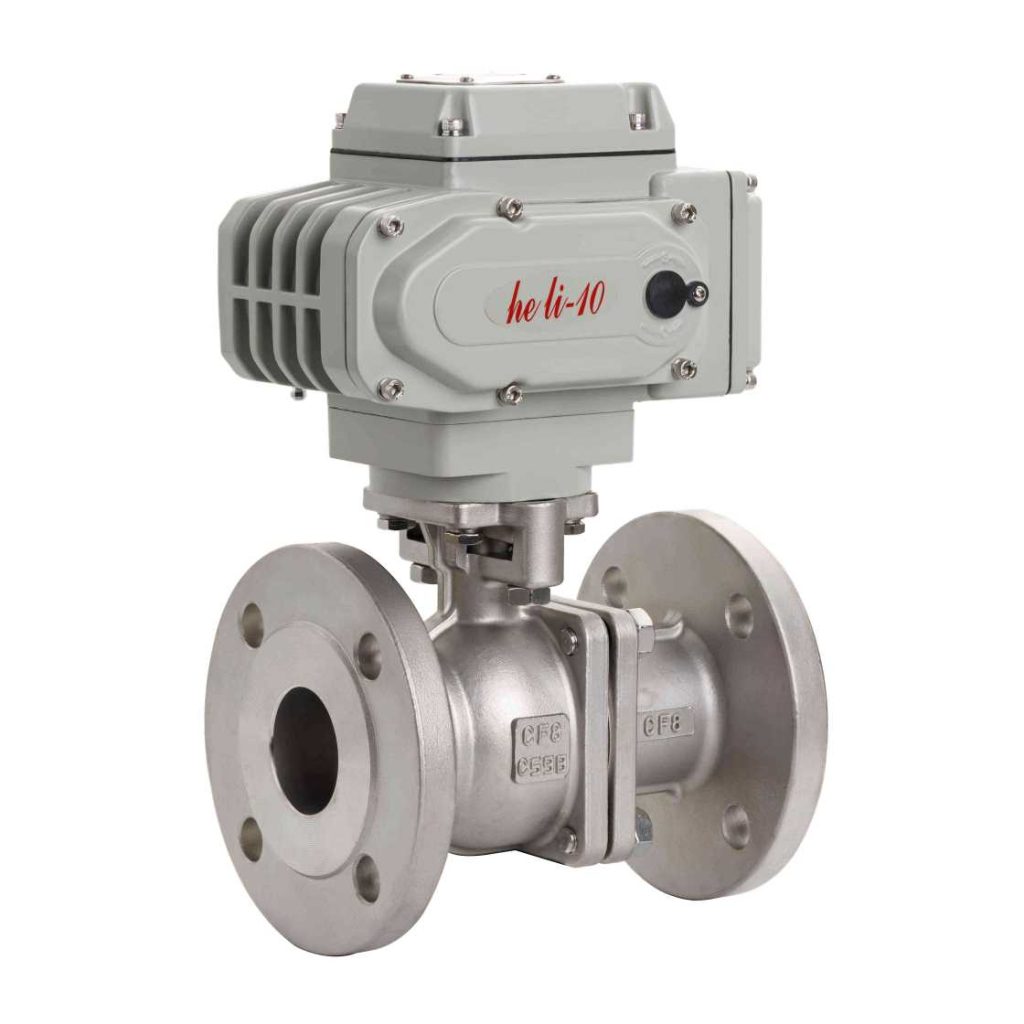
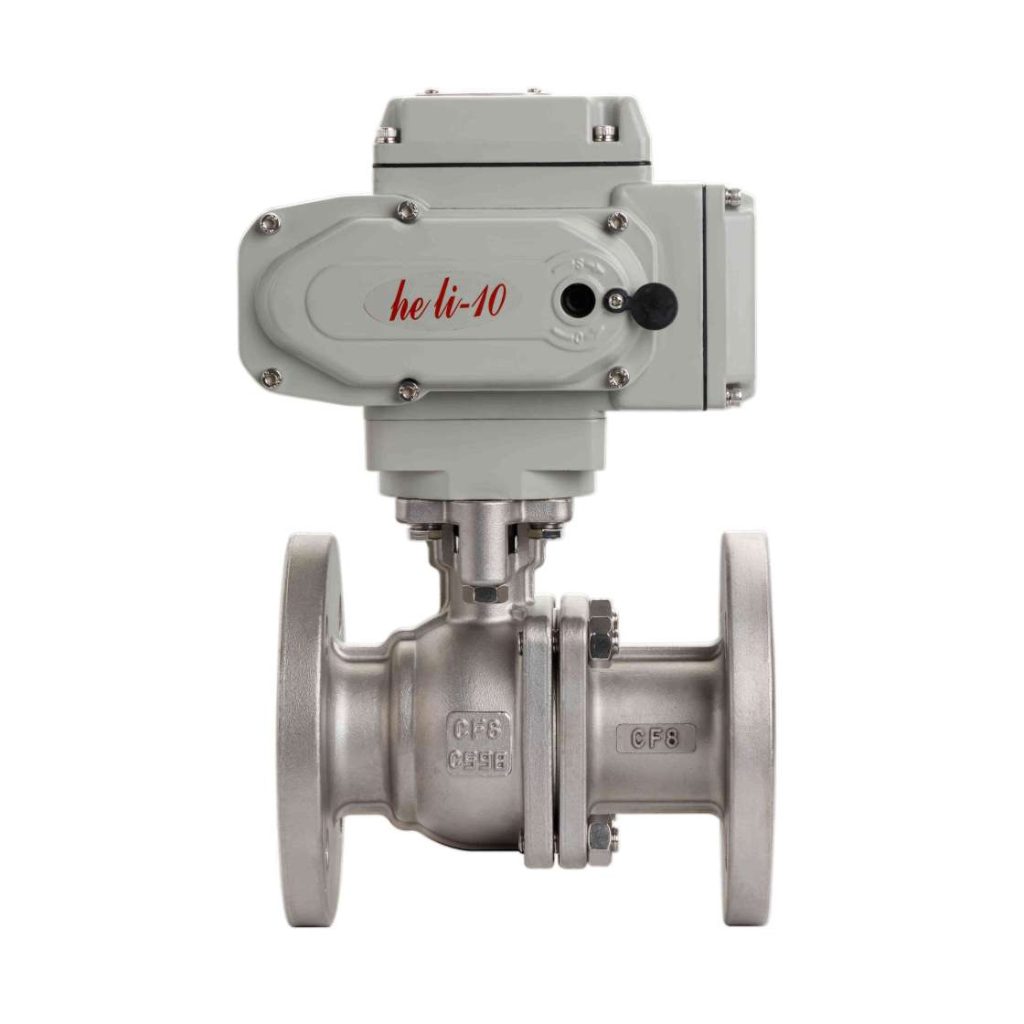
An electric stainless steel flange ball valve is a type of quarter-turn valve that uses a spherical disc, known as a ball, to control the flow of fluid. This valve is equipped with flanged ends that allow for easy installation in piping systems. The electric actuator, which can be either on/off or modulating, allows for remote operation and precise control of the valve position. The body of the valve is typically made from stainless steel, a material chosen for its strength, durability, and resistance to corrosion. The use of stainless steel ensures that the valve can withstand harsh environments, making it suitable for various industries, including oil and gas, chemical processing, water treatment, and food and beverage.