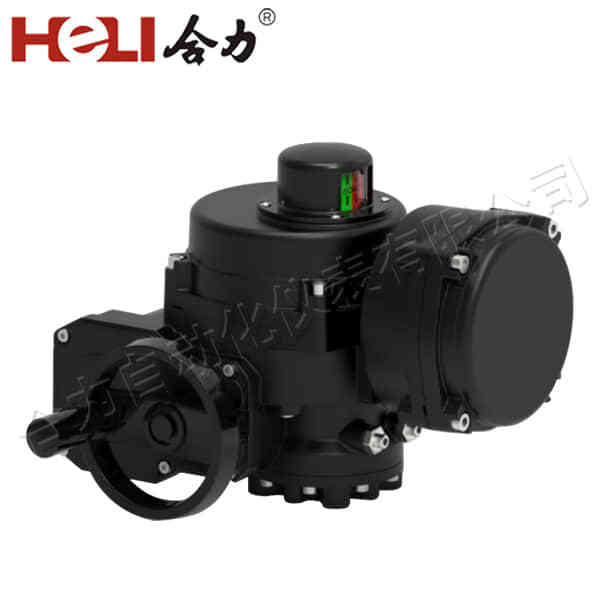
Electric actuators are increasingly becoming essential components in various automated systems, offering enhanced control and flexibility in numerous applications. These devices convert electrical energy into mechanical motion, making them a preferred choice across industries such as manufacturing, automotive, aerospace, and even home automation. This article will explore the fundamental concepts behind electric actuators, their key components, advantages, disadvantages, and real-world applications.
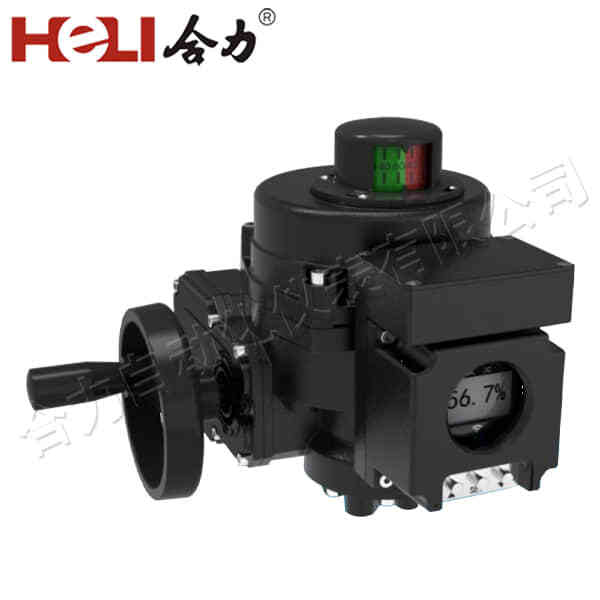
What is an Electric Actuator?
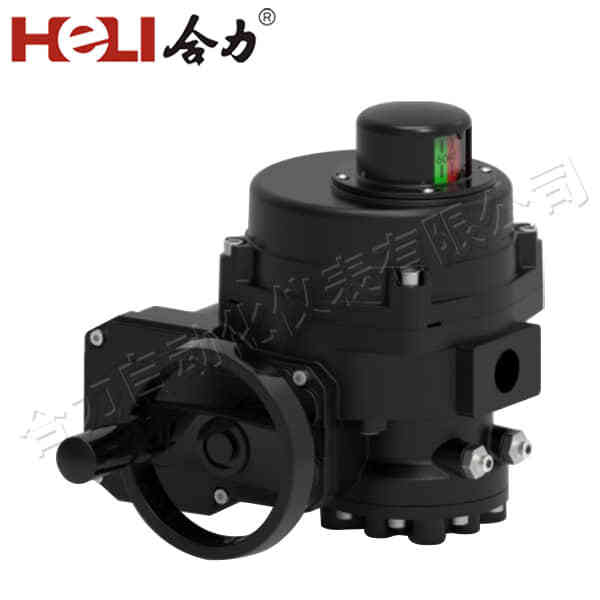
An electric actuator is an electromechanical device that translates electrical signals into mechanical motion. By using electric motors, these actuators can achieve either rotational or linear movements, depending on the design and specific application requirements. The efficiency and precision of electric actuators make them highly suitable for tasks where precise control is necessary, such as opening or closing valves, adjusting dampers, and operating robotic mechanisms. Key Components of Electric Actuators Several critical components make up electric actuators, each playing a vital role in their overall functionality: