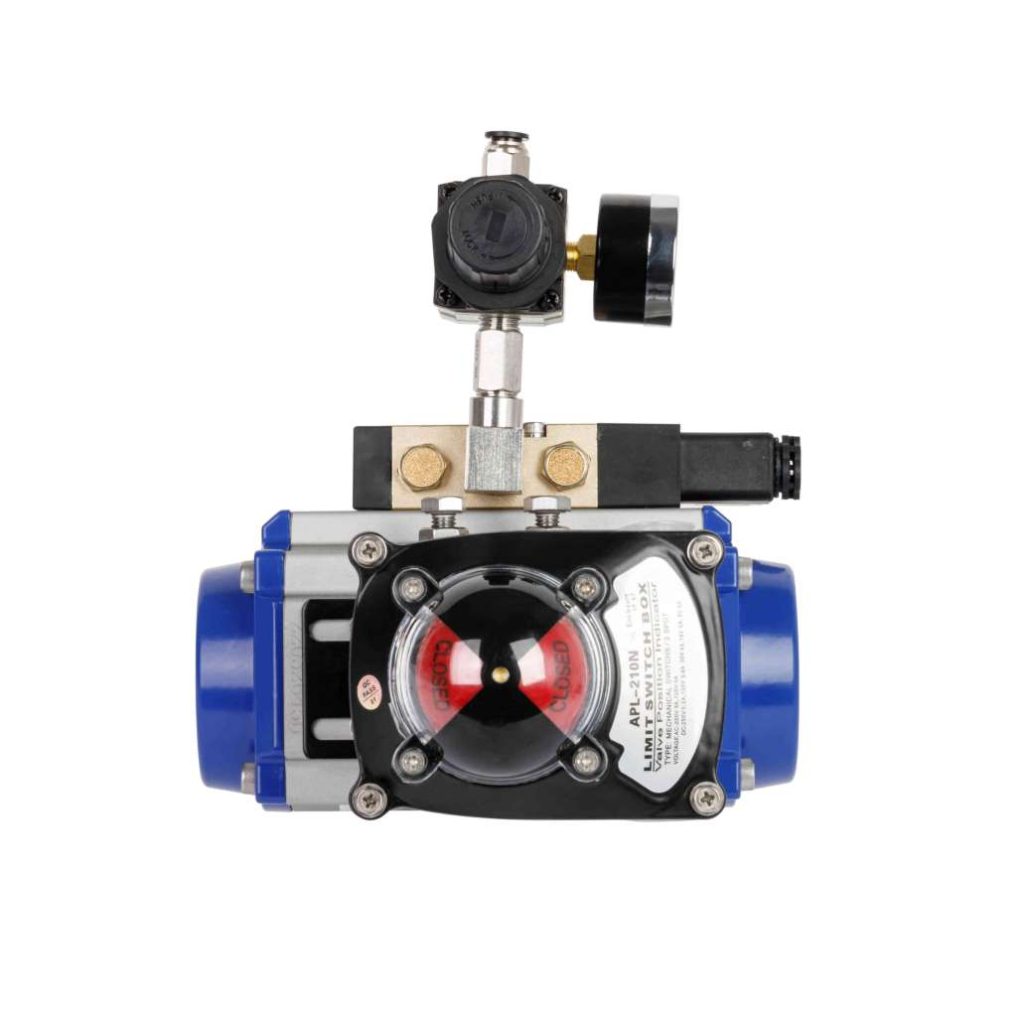
Pneumatic actuators are a fundamental component of many automated systems across industries, including manufacturing, robotics, and process control. These devices convert compressed air into mechanical motion, playing a crucial role in driving linear or rotary motion. This article delves into the principles of pneumatic actuators, their various applications, and the advantages they offer.
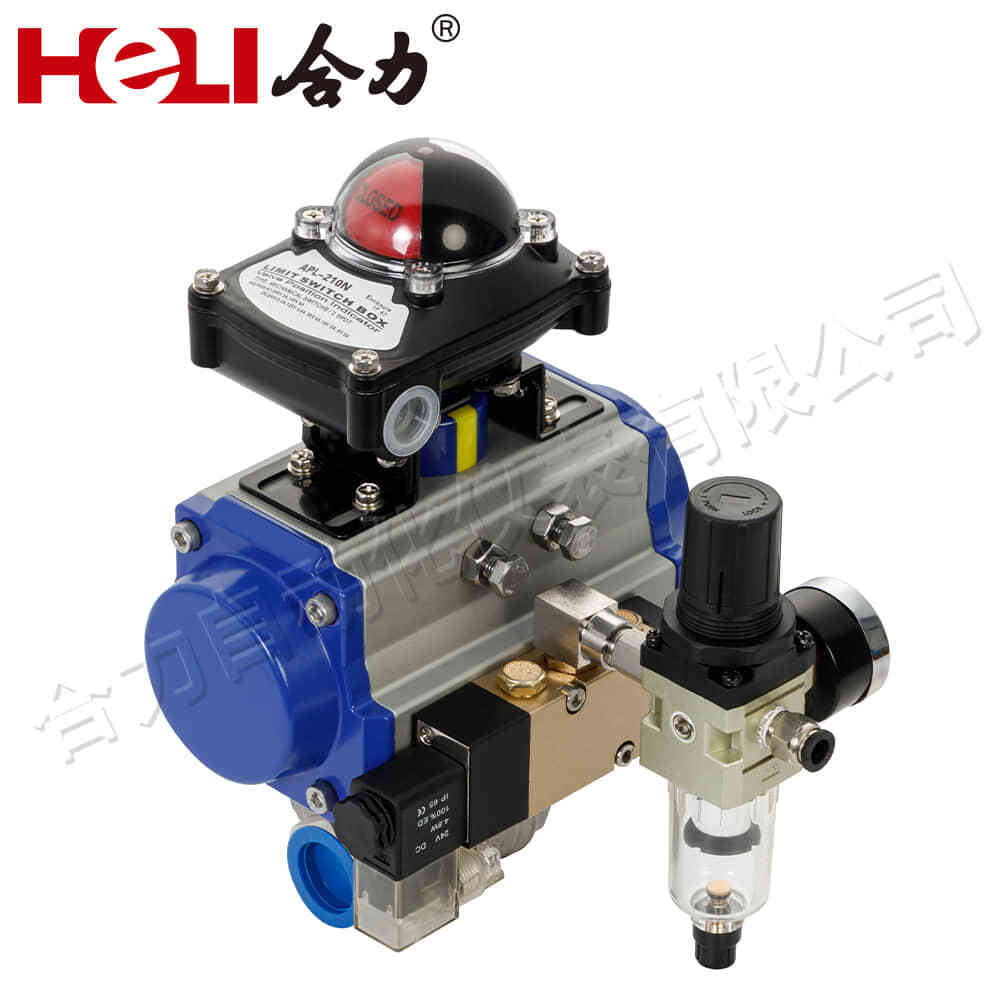
What is a Pneumatic Actuator?
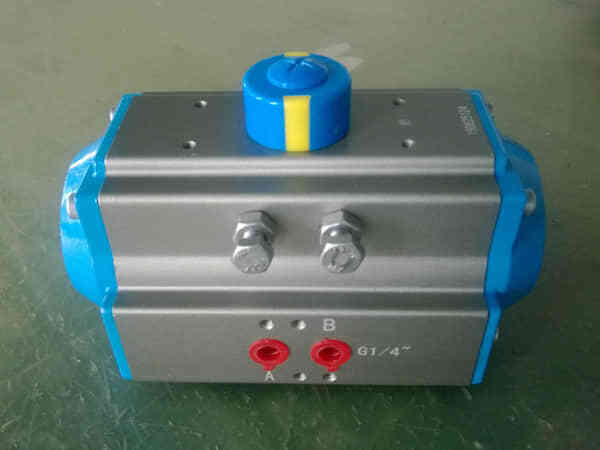
A pneumatic actuator is a device that uses compressed air to create mechanical movement. The actuator converts the pressure energy from the compressed air into force and motion, typically either linear (straight-line motion) or rotary (rotational motion). It consists of a cylinder, a piston, and a series of valves that control the flow of air into the actuator. Depending on the design, pneumatic actuators can vary in size and strength, from small units in consumer products to large systems in industrial machinery. How Pneumatic Actuators Work The basic working principle of a pneumatic actuator revolves around the movement of compressed air. When air is pumped into the actuator, it pushes against the piston inside the cylinder. This force causes the piston to move, generating the desired mechanical motion. The direction of movement can be controlled by regulating the air flow through valves, while the speed and force of the motion depend on the amount of air supplied and the pressure at which it is delivered.