Industrial scaffolding systems play a vital role in construction, maintenance, and repair work across a variety of industries. Whether used in the construction of buildings, bridges, or industrial plants, scaffolds are crucial for providing workers with safe access to elevated work areas. However, like any complex industrial equipment, scaffolds pose significant risks if not properly maintained or secured. One of the most effective ways to enhance safety in scaffolding operations is through the use of industrial scaffolding lockout tags. These tags serve as essential safety devices that prevent accidents and injuries during the maintenance, repair, or inspection of scaffolding structures and associated equipment.
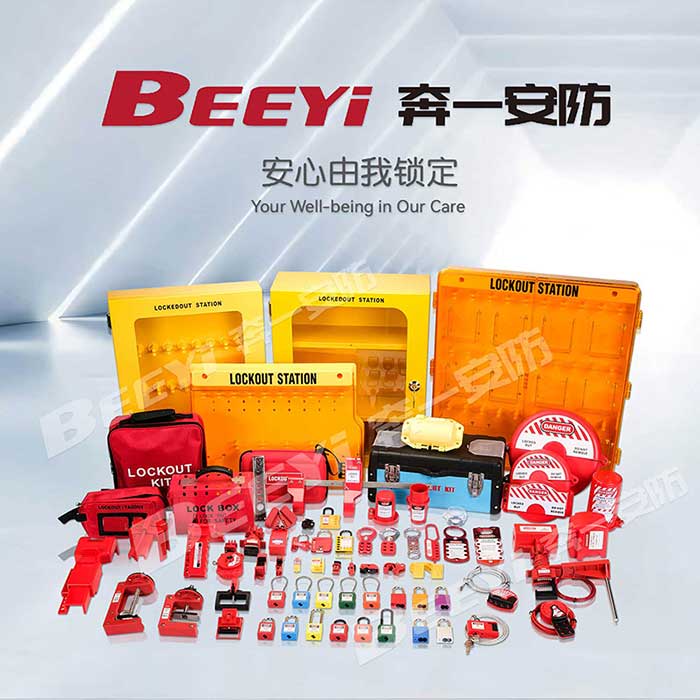
Understanding Industrial Scaffolding Lockout Tags Lockout tags are a critical component of the lockout/tagout (LOTO) safety procedures, which are designed to prevent accidental energization or start-up of equipment during maintenance or repair work. In the context of scaffolding, lockout tags are used to indicate when scaffolding systems or associated equipment (such as hoists, cranes, or power tools) are undergoing maintenance or are otherwise unsafe for use. These tags are typically attached to locking devices that physically prevent machinery or equipment from being operated. The primary purpose of lockout tags is to clearly communicate to workers that certain equipment or systems are under repair and cannot be used. By ensuring that machinery remains inoperable while maintenance is being conducted, lockout tags help avoid the risk of accidents, injuries, or fatalities caused by unintended activation of machinery during critical work phases.