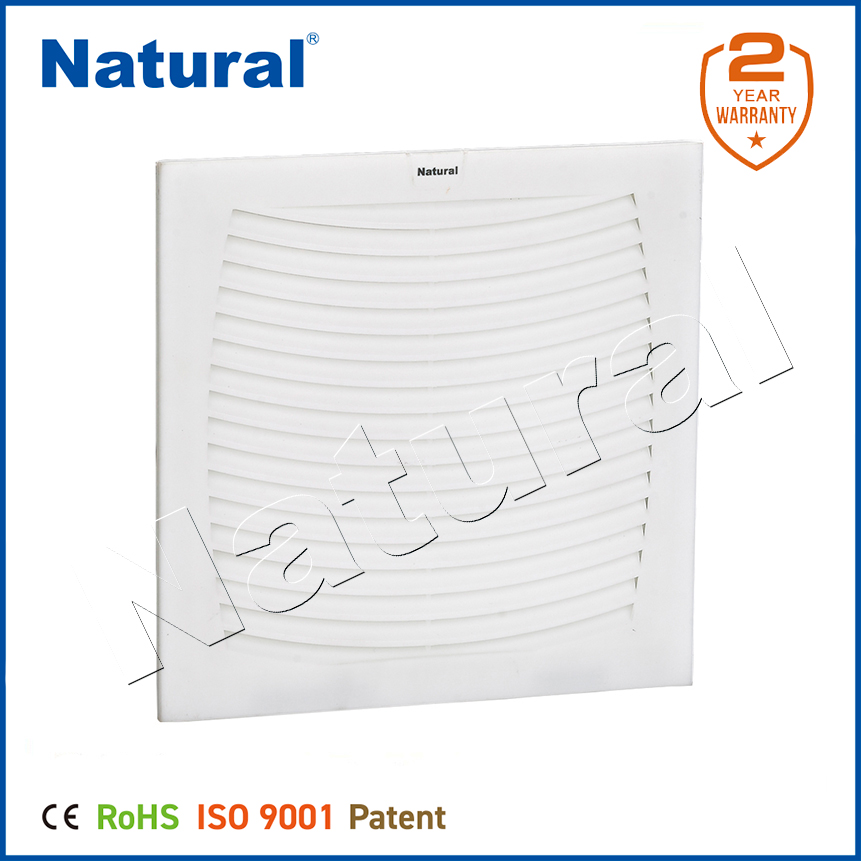
Electric fans are widely used appliances in homes, offices, and industrial settings, providing a cost-effective way to cool down the environment. However, while they effectively circulate air, they may also disperse dust, dirt, and other allergens into the atmosphere. This is where electric fan filters come into play. These devices help to improve the quality of the air being circulated by filtering out harmful particles, ensuring that the air you breathe is cleaner and more refreshing. In this article, we’ll explore the significance of electric fan filters, how they work, and why they are becoming an essential addition to modern-day fans.
What is an Electric Fan Filter?
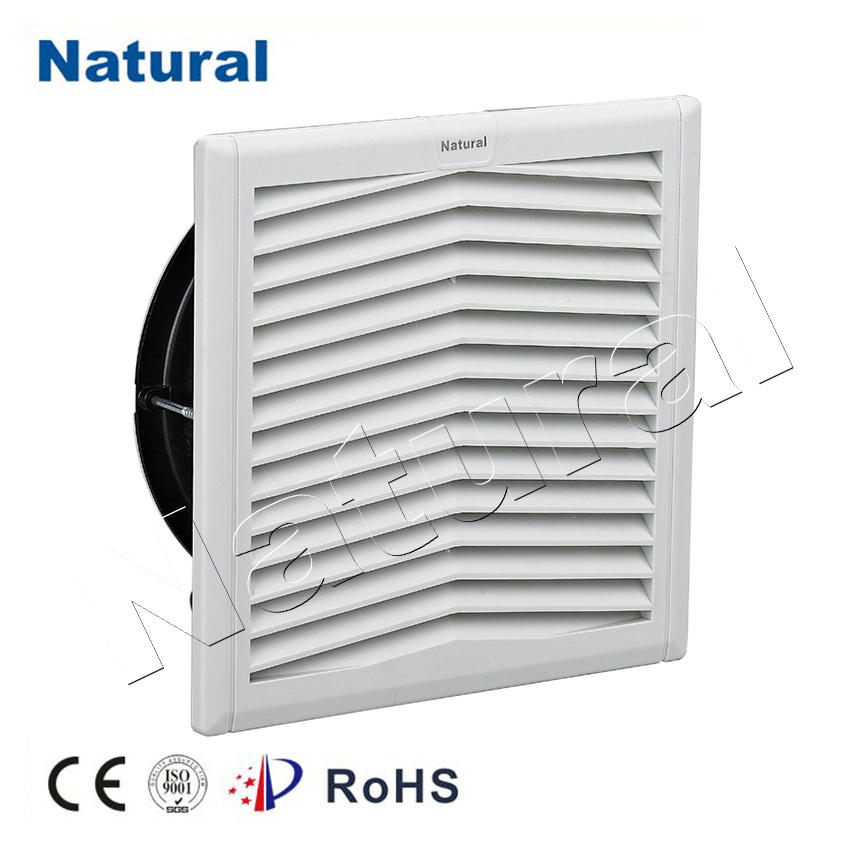
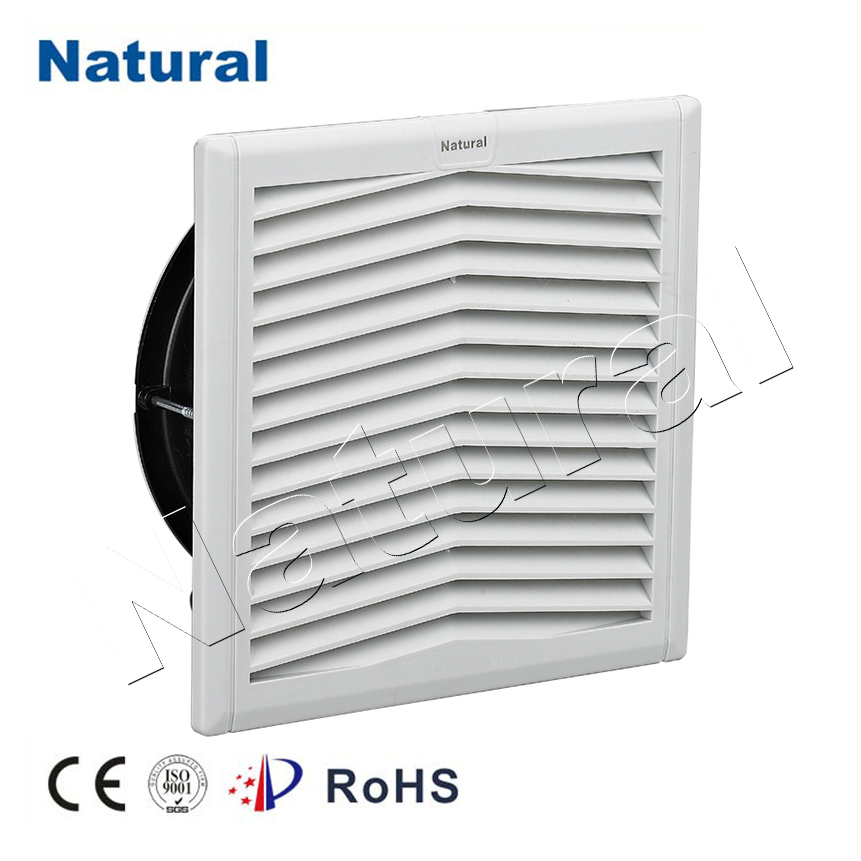
An electric fan filter is a device designed to trap airborne pollutants and particles before they are blown into the room by the fan. Typically located at the air intake of the fan, these filters prevent dust, pet dander, pollen, and other small particles from being circulated around the space. The filters may use various materials, such as HEPA (High-Efficiency Particulate Air) filters or activated carbon, to trap and remove contaminants. The aim is to improve indoor air quality, particularly in environments where air pollution is a concern or where individuals suffer from allergies or respiratory issues.