Relays are essential components in electrical circuits, acting as switches that open and close to control the flow of electricity. These electromechanical devices are widely used in various applications, including automotive systems, industrial automation, and home appliances. One of the most critical specifications to consider when selecting a relay is its voltage rating. The voltage rating defines the maximum electrical voltages that a relay can safely handle, both on its control side (coil voltage) and the switching side (contact voltage). This article explores the concept of relay voltage ratings, including their importance, the factors that influence them, and how to select the appropriate voltage rating for a relay in different applications.
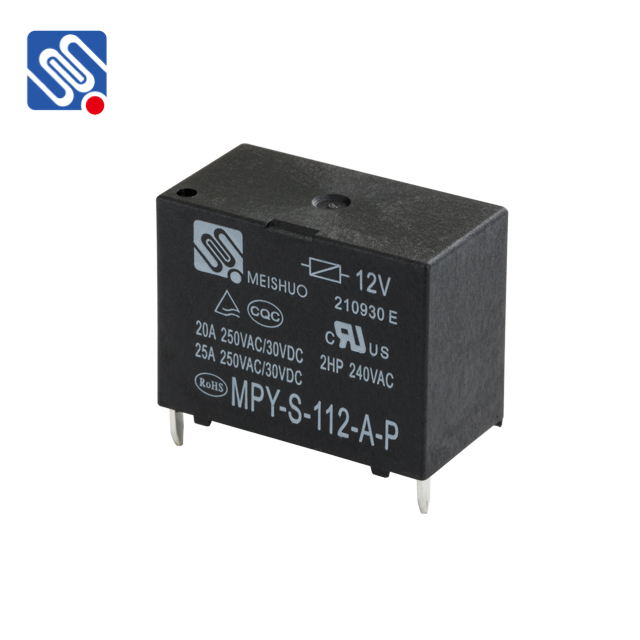
Coil Voltage Rating The coil voltage rating refers to the voltage applied to the relay’s coil, which controls the opening and closing of its contacts. When the coil is energized by a voltage, it creates a magnetic field that moves the internal armature, causing the relay to switch. The coil voltage is typically specified as a range of voltages, such as 5V, 12V, or 24V, depending on the relay’s design and intended use. Choosing the correct coil voltage rating is crucial because it directly influences the relay’s activation behavior. If the applied coil voltage is too low, the relay may fail to activate, leading to unreliable performance. Conversely, applying a voltage higher than the rated coil voltage can cause the coil to overheat or even burn out, permanently damaging the relay.